2026 Top Circuit Board Crusher Innovations for Global Buyers?
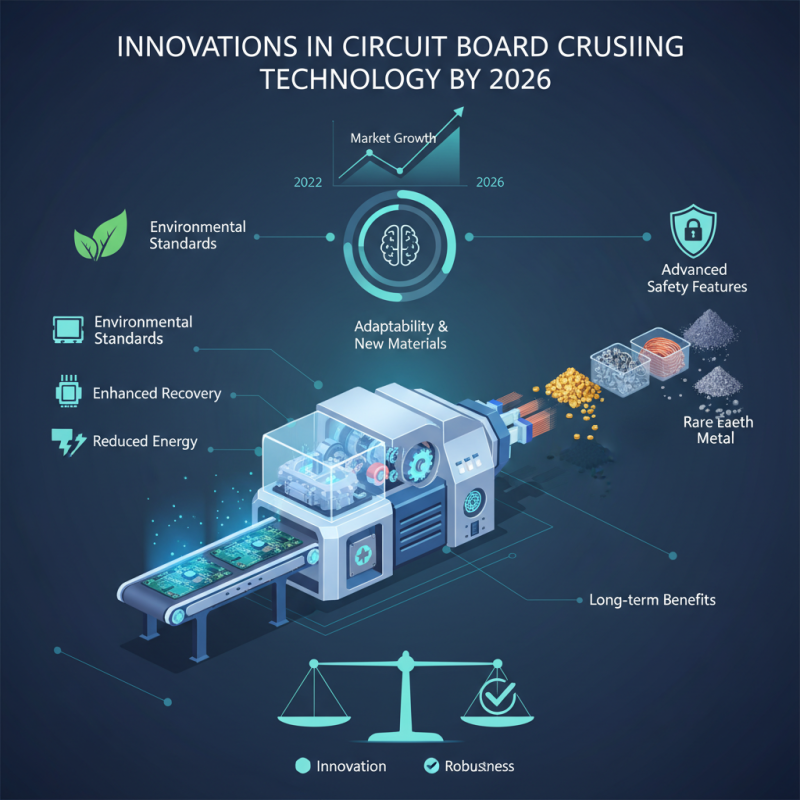
As the global demand for electronic waste recycling grows, the Circuit Board Crusher industry is seeing rapid innovations. In 2022, the market was valued at approximately $1.2 billion, with projections estimating a growth rate of 6% annually. Industry expert Dr. John Simmons states, "The future of Circuit Board Crushers lies in their ability to adapt to new materials and technologies." This highlights the need for constant evolution in machinery and methods.
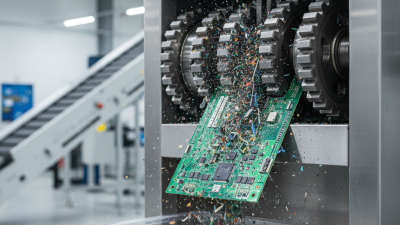
New designs and technology advancements are crucial in meeting environmental standards. Many traditional crushers struggle with efficiency and output quality. An innovative Circuit Board Crusher can enhance recovery rates of precious metals while reducing energy consumption. However, some manufacturers may overlook the importance of integrating advanced safety features.
Investing in the latest machines may be tempting, but it is essential to assess long-term benefits and operational costs. Choosing the right equipment emphasizes reliability and effectiveness. Balancing innovation with robustness will define success in this sector. Thus, while innovations hold promise, reflecting on past missteps may guide future growth.
Emerging Technologies in Circuit Board Crusher Design
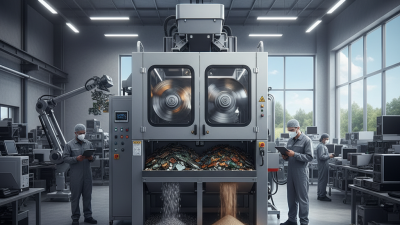
Emerging technologies in circuit board crusher design are reshaping the recycling landscape. With global electronic waste increasing annually, innovative solutions are essential. Reports estimate that, by 2026, waste from discarded electronics could reach 74 million metric tons. This alarming figure underscores the need for efficient recycling systems, and advanced circuit board crushers play a critical role.
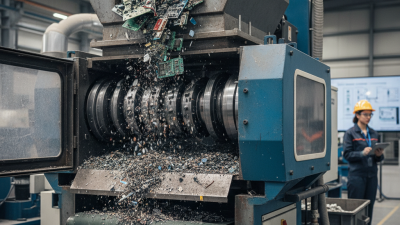
Recent developments in crusher design focus on energy efficiency, automation, and material recovery rates. Modern machines incorporate smart technology to optimize processing. For example, utilizing AI algorithms can improve sorting accuracy and reduce operational downtime. Additionally, data shows that crushers with enhanced shredding capabilities can recover up to 95% of valuable metals from circuit boards, significantly improving the overall efficiency of recycling operations.
While these innovations are promising, challenges persist. Many designs still face issues with processing complex boards, limiting their effectiveness. As the industry evolves, there is a pressing need for continuous improvement and better integration of recovery technologies. Striving for a balance between innovation and practical applications is crucial for achieving sustainability goals in electronics recycling.
2026 Top Circuit Board Crusher Innovations for Global Buyers
| Innovation Type |
Description |
Key Features |
Expected Market Impact |
| AI-Powered Sorting |
Integration of AI algorithms to enhance sorting accuracy and efficiency. |
Real-time data analytics, adaptive learning |
Significant reduction in operational costs and improved recycling rates. |
| Hydro-Crushing Technology |
Utilizes high-pressure water jets to break down circuit boards environmentally. |
Eco-friendly, reduced waste emission |
Enhances regulatory compliance and sustainability appeal. |
| Mobile Crushing Units |
Portable units that can be deployed on-site for immediate processing. |
Compact design, easy transport, low setup time |
Increased market accessibility and flexibility for various operations. |
| Smart Connectivity |
IoT-enabled machines that allow remote monitoring and control. |
Remote diagnostics, predictive maintenance |
Improved uptime and operational efficiency. |
| Enhanced Safety Features |
Advanced safety systems integrated to protect operators. |
Emergency shut-off, real-time hazard detection |
Increased worker safety and reduced liability risks. |
Sustainable Materials Used in Circuit Board Crushing Innovations
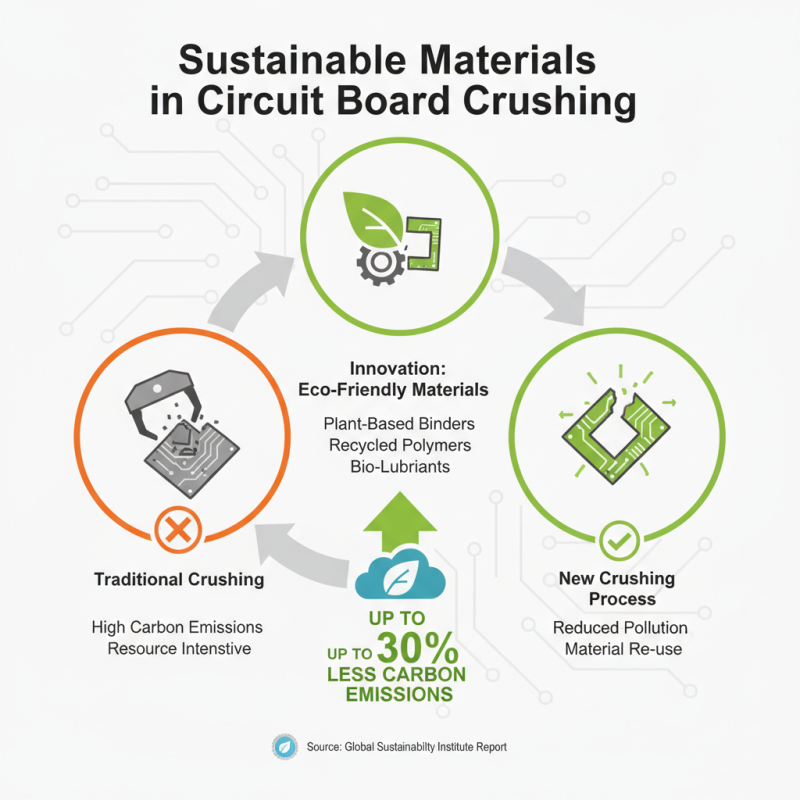
The growing focus on sustainability in circuit board recycling has led to significant innovations. Manufacturers now prioritize eco-friendly materials in circuit board crushing processes. This shift aligns with a report from the Global Sustainability Institute, which indicates that sustainable materials can reduce carbon emissions by up to 30% in electronic waste management.
Incorporating materials such as biodegradable resins plays a crucial role. These resins break down over time, lessening landfill impact. Additionally, advancements in machinery designed to minimize energy consumption are noteworthy. A recent study found that newer systems consume 50% less energy compared to traditional methods. However, the challenge lies in the cost of implementing these technologies, which can be a barrier for small manufacturers.
Experts suggest that the industry must innovate further to strike a balance between cost and environmental benefit. Research indicates that sustainable components often slightly increase initial expenses. Yet, the long-term savings and ecological advantages significantly outweigh these costs. Some manufacturers might hesitate due to uncertainty in the return on investment. Continued education and industry collaboration are essential for overcoming these hurdles.
Market Trends Influencing Circuit Board Crusher Development
The circuit board crusher market is undergoing significant transformations influenced by emerging innovations and market trends. A report from the Global Recycling Foundation indicates that the demand for small electronic devices is driving the need for efficient recycling methods. In 2022, the global circuit board recycling market was valued at approximately $14 billion and is projected to grow at a CAGR of 5.3% over the next five years.
Sustainability is a key factor in circuit board crusher development. Companies are increasingly adopting eco-friendly practices to reduce electronic waste. According to a study by the International Telecommunication Union, e-waste is expected to reach 74 million metric tons by 2030. This alarming trend is pushing manufacturers to innovate more effective and sustainable crushing technologies. Additionally, advancements in artificial intelligence are optimizing the efficiency of material separation processes. However, this rapid advancement often outpaces regulatory measures, raising concerns about long-term environmental impacts.
Market players face challenges in balancing innovation and compliance. Continuous updates in regulations can create unpredictability. The shift towards automation and AI may lead to skill gaps within the workforce. Addressing these issues requires collaboration among stakeholders to ensure responsible innovation. The industry must reflect on these areas to cultivate a truly sustainable future.
Key Players in the Circuit Board Crusher Industry
The circuit board crusher industry is witnessing rapid innovation. Key players are focusing on eco-friendly solutions and advanced technologies. According to a recent market analysis, the global circuit board recycling market is expected to reach $18 billion by 2026. This growth indicates a significant demand for efficient crushing machines.
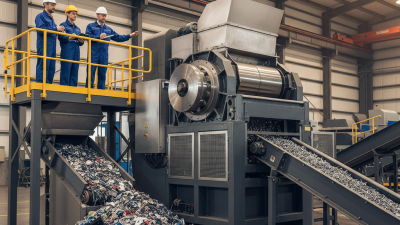
Leading manufacturers are increasingly investing in research and development. They are employing cutting-edge methods to optimize the crushing process. Some companies are developing machines that can recover up to 98% of valuable metals from waste circuit boards. The evolution in machinery reflects a broader commitment to sustainable practices.
Despite the advancements, challenges remain. Issues such as energy consumption and waste generation during production need addressing. Industry experts highlight the importance of balancing efficiency with environmental responsibility. Continuous improvement is crucial for future innovations and competitiveness.
Future Outlook: Advancements in Circuit Board Recycling Techniques
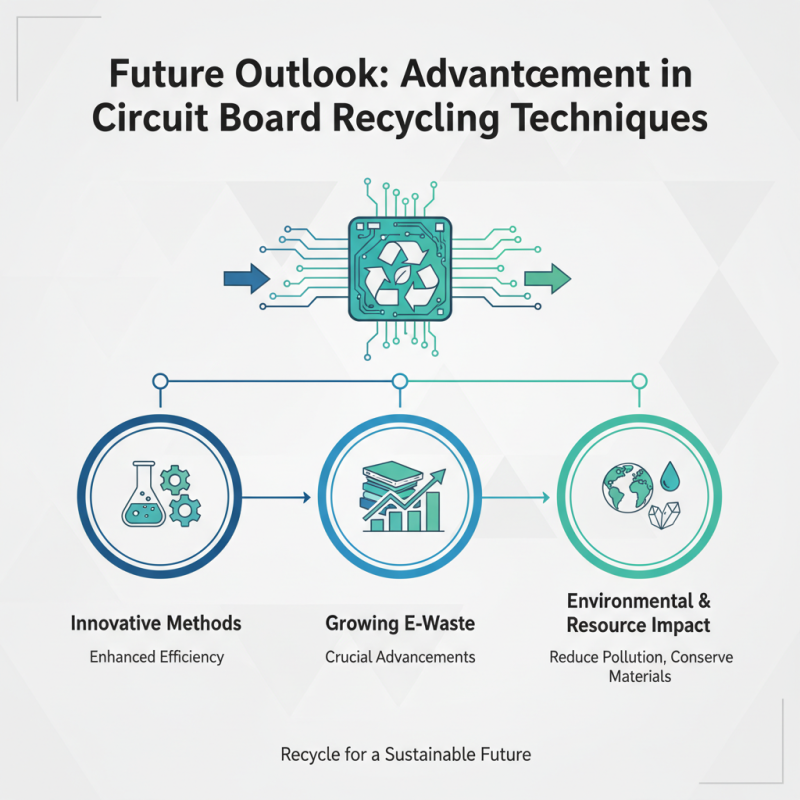
The future of circuit board recycling techniques shows great promise. Innovative methods are emerging to enhance the efficiency of material recovery. These advancements are crucial as electronic waste grows annually. Proper recycling can significantly reduce environmental impact while conserving valuable resources.
One promising technique involves the use of bioleaching. This method employs bacteria to extract metals from circuit boards. It offers a greener alternative to traditional chemical processes. However, it requires careful management of the bacterial strains to ensure effectiveness.
**Tips**: Consider assessing your local recycling options. Not all facilities handle electronic waste equally. Look for certified e-waste recyclers to ensure proper processing.
Another noteworthy innovation is the development of more efficient mechanical shredders. These machines can break down circuit boards more effectively, recovering materials with greater precision. Yet, they may generate noise and dust, requiring adequate safety measures.
**Tips**: Always wear protective gear when dealing with e-waste. Even small particles can pose health risks.
As we progress, the focus on sustainability in electronic recycling will continue to increase. More research into eco-friendly methods will lead to a cleaner future. The challenge remains in balancing innovation with environmental protection.