2026 Top Tire Crushing Machine Features You Should Know?
In the world of recycling and waste management, the efficiency of a Tire Crushing Machine plays a crucial role. Experts like Dr. James Harrison, a leading authority in tire recycling, emphasize the importance of these machines. He once stated, "A well-designed Tire Crushing Machine can significantly reduce the environmental impact of waste tires." This insight underscores the pressing need to understand the features of these machines.
Tire Crushing Machines are not just about functionality; they incorporate advanced technology to enhance performance. For instance, some machines utilize dual-shaft designs to improve shredding efficiency. This design minimizes energy consumption while maximizing output. However, not all models are equal, and each has its own set of challenges. Buyers must carefully assess features that fit their operational needs.
Additionally, maintenance is often overlooked. Regular upkeep ensures these machines operate optimally. Without proper care, even the best Tire Crushing Machine can fall short. Understanding these features and maintaining your machine can lead to better outcomes in tire recycling. Stay informed to make the best choices in this evolving industry.
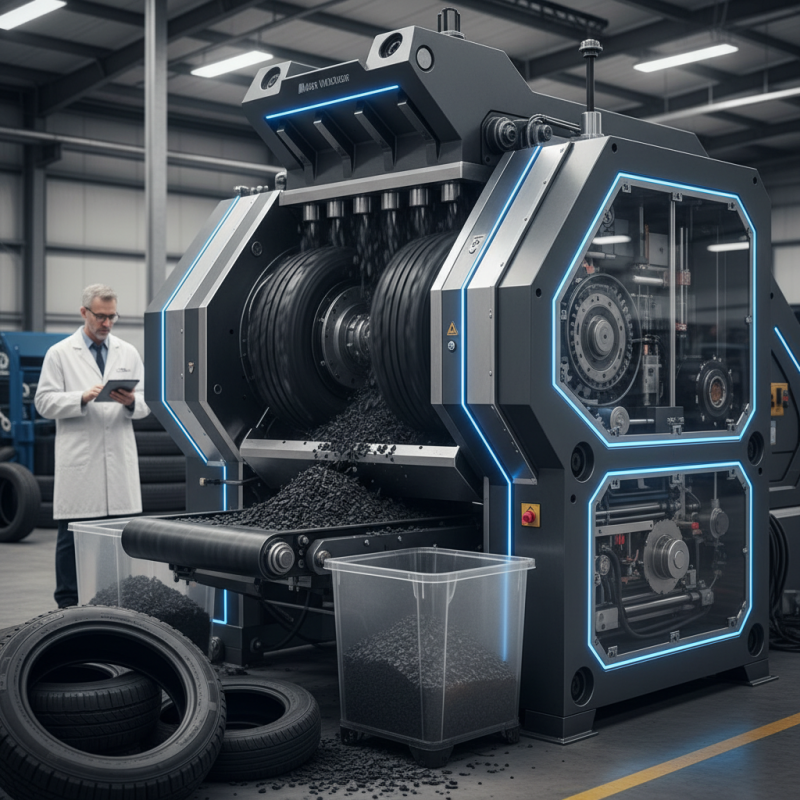
Key Features of Tire Crushing Machines in 2026
Tire crushing machines have evolved significantly in 2026. Their features focus on
efficiency,
sustainability, and
safety. Advanced models are designed to reduce energy consumption. Reports indicate a reduction of up to
30% in energy use compared to previous years. Enhanced automation is another key feature. Machines now utilize
AI to optimize crushing processes, significantly improving output quality.
Safety remains a top priority. Modern tire crushing machines include numerous safety features, such as
automatic shut-off systems. These measures can prevent accidents during operation. However, user training is still essential. Operators must understand machine functions to avoid potential hazards.
Tip: Regular maintenance is crucial. Ignoring wear and tear on components can lead to costly repairs.
Another focus is on eco-friendliness. 2026 machines emphasize recycling end-of-life tires effectively. This supports global recycling goals, as research shows a consistent increase in recycled materials. Yet, awareness about proper disposal methods is still lacking. Industry professionals stress the need for continuous education on sustainable practices.
Tip: Keep track of emerging technologies. Staying informed helps businesses adapt to industry changes.
Innovative Technologies Driving Modern Tire Crushing Equipment
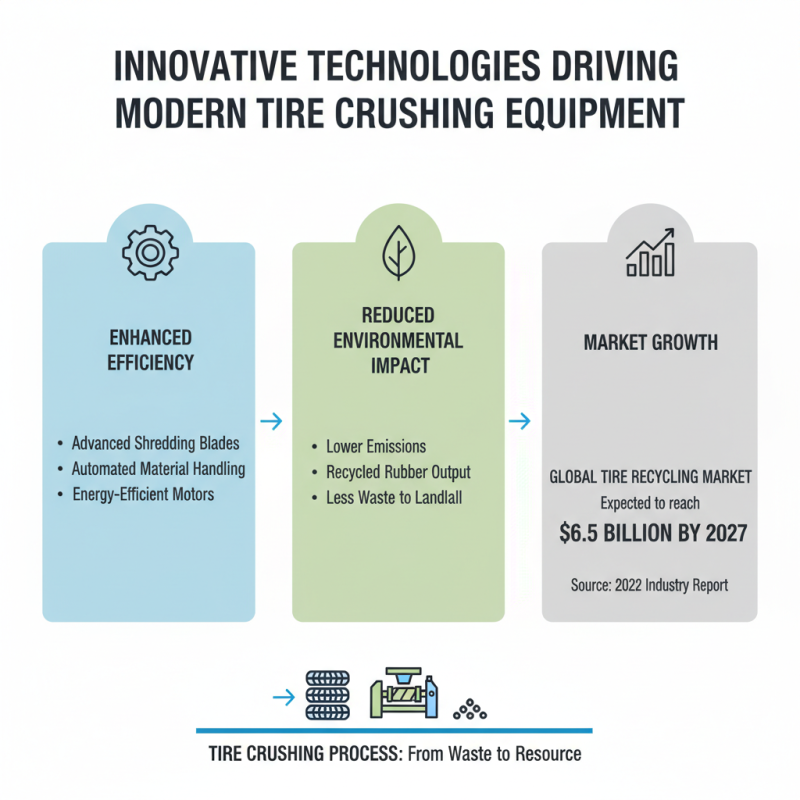
Innovative technologies in tire crushing equipment are shaping the recycling industry. Modern machines leverage advanced features to enhance efficiency and reduce environmental impact. According to a 2022 industry report, the global tire recycling market is expected to reach $6.5 billion by 2027, driven by innovations in equipment design and technology.
Many machines now utilize hydraulic systems for better power output and energy efficiency. These systems allow for precise control during the crushing process. This results in more uniform particle sizes, improving further processing stages. Some machines incorporate sensors for real-time monitoring, ensuring optimal performance. However, not all machines meet these technological advancements. Some older models still rely on outdated methods, which can lead to inefficiencies and increased operational costs.
Moreover, the use of artificial intelligence in tire processing is on the rise. AI-driven algorithms can analyze material composition and adjust settings automatically. This innovation boosts productivity and minimizes waste. Nonetheless, the initial investment for high-tech machines can be a barrier for small-scale operators. Balancing cost and advanced features remains a challenge in the industry. Understanding these factors is essential for companies looking to thrive in the evolving tire recycling landscape.
Environmental Impact and Sustainability in Tire Recycling
The environmental impact of tire recycling is significant. In the U.S., around 300 million tires are discarded annually, creating a growing waste problem. Only 60% of these tires are recycled, with the rest often ending up in landfills. This inefficiency raises concerns about land and air pollution due to tire decomposition.
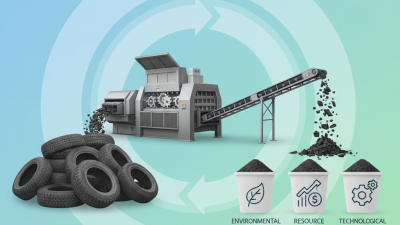
Sustainable practices in tire recycling focus on reducing waste and maximizing resource recovery. Technologies like tire crushing machines play a vital role. They break down tires efficiently, producing crumb rubber, which can be repurposed for various applications, such as playground surfaces and asphalt. According to industry reports, recycled tires can emit 60% less carbon dioxide compared to conventional materials.
**Tips:** Ensure proper disposal of tires to minimize the environmental impact. Support companies that prioritize sustainability in their recycling processes. Engage with local programs that promote tire recycling initiatives, helping to foster a circular economy in your community.
2026 Top Tire Crushing Machine Features You Should Know
| Feature |
Description |
Environmental Impact |
Sustainability Benefits |
| High Efficiency |
Maximizes the amount of tires processed per hour. |
Reduces landfill use by increasing recycling rates. |
Supports circular economy practices. |
| Noise Reduction Technology |
Minimizes operational noise during tire processing. |
Less noise pollution affecting nearby communities. |
Promotes a healthier working environment. |
| Energy Efficiency |
Designed to use less energy while maintaining output. |
Lower carbon footprint associated with tire recycling. |
Cost savings for operations translating to better funding for sustainability initiatives. |
| Advanced Safety Features |
Incorporates the latest safety technology for operators. |
Reduces workplace injuries and associated costs. |
Encourages workforce stability and sustainability. |
| Modular Design |
Allows for easy upgrades and maintenance. |
Extends the lifespan of the machinery and reduces waste. |
Fosters long-term sustainability in operations. |
Efficiency and Performance Metrics of Modern Tire Crushers
Modern tire crushing machines play a critical role in the recycling industry. Their efficiency significantly impacts the overall processing of used tires.
Advanced machines, designed with cutting-edge technology, offer impressive performance metrics. These include high production rates and reduced energy consumption. However, achieving optimal results requires a careful balance between speed and safety.
Performance metrics often hinge on machine design and operational parameters. A well-designed tire crusher can process large volumes swiftly. This high throughput is essential for meeting market demands.
Nonetheless, some machines struggle with consistency due to varying tire types. Operators must remain vigilant. Regular maintenance and operator training are crucial for reliability.
Efficiency measures also extend to material recovery. A key goal is maximizing the separation of rubber from steel. Effective machines achieve high purity rates. Yet, not all units perform equally in this aspect. Continuous innovation in technology often highlights the imperfections of existing models. Therefore, staying informed about new features and enhancements is vital for any recycling operation.
Industry Applications and Market Trends for Tire Crushing Machines
Tire crushing machines play a crucial role in recycling industries. They help convert waste tires into usable materials like rubber crumb and steel. Various sectors benefit from these machines, including automotive, construction, and civil engineering. The rise in environmental awareness boosts the demand for effective tire recycling solutions.
As industries evolve, so do tire crushing machines. Innovations focus on improving efficiency and minimizing energy consumption. Market trends indicate a shift towards automated systems. These systems can enhance productivity with less human intervention. In addition, advanced technology allows for better material separation, ensuring higher quality products.
However, the industry faces challenges. Many manufacturers struggle with outdated equipment. Upgrading to modern machines involves significant investment. Some businesses may hesitate, weighing potential gains against costs. It prompts a need to assess long-term benefits versus immediate expenditures. Awareness of these factors is essential for informed decision-making in this growing market.