2026 Top Tyre Shredding Machine Buying Guide for Global Buyers?
In the rapidly evolving field of recycling, the importance of a reliable Tyre Shredding Machine cannot be overstated. Industry expert Dr. Amelia Baker, a prominent figure in waste management technology, emphasizes, "Choosing the right machine can significantly impact the efficiency and profitability of recycling operations." As global demand for sustainable practices grows, understanding the intricacies of tyre shredding is vital for buyers.
The Tyre Shredding Machine stands at the forefront of this movement, transforming waste into valuable resources. Various models and technologies are available, each tailored for specific needs. It's crucial for buyers to assess their requirements meticulously. One should not overlook the importance of machine durability and operating costs.
Additionally, potential buyers often grapple with choosing between different brands and technologies. The market is saturated with options, making it challenging to identify the best fit. Prospective buyers must weigh the benefits and limitations carefully. By doing thorough research and seeking expert advice, one can navigate the complexities of the tyre shredding industry more effectively.
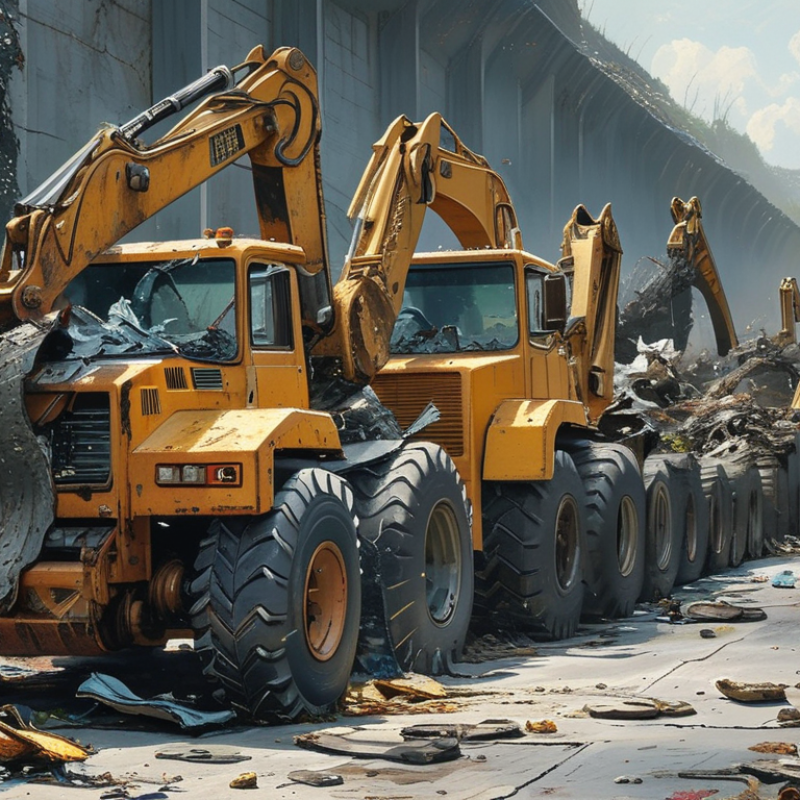
Understanding Tyre Shredding Machines: Types and Technologies
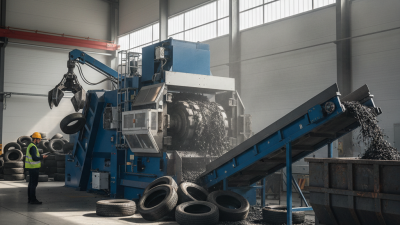
Tyre shredding machines are vital in recycling. They reduce tyres into small pieces, making them easier to process. Various types exist, each designed for specific needs. The most common types include primary, secondary, and granulators. Each has a unique function in the shredding process.
Primary shredders handle whole tyres, breaking them down into manageable chunks. They are typically robust and require powerful motors. Secondary shredders further reduce these pieces. Granulators produce finer particles, often essential for applications like asphalt or rubber flooring. Understanding these types helps buyers choose the right machine.
Machine technologies vary and impact performance. Some employ hydraulic systems, while others use electric motors. Efficiency and energy consumption are key considerations. Buyers should reflect on their specific requirements and budget. Noise levels and maintenance needs also play significant roles. Not all machines fit every operation; research is crucial for optimal choices.
2026 Tyre Shredding Machine Market Overview
This bar chart illustrates the efficiency of different types of tyre shredding machines measured in tons per hour. As seen in the chart, Type D offers the highest efficiency, making it an attractive option for global buyers in 2026.
Key Features to Consider When Buying a Tyre Shredding Machine
When choosing a tyre shredding machine, several key features demand attention. Understand the machine's capacity. Industry reports indicate that machines with higher throughput can process up to 2,500 kg of tyres per hour. This capability is crucial for large-scale operations. A potential buyer must also consider the energy consumption of the machine. Models vary widely. Some machines consume as little as 15 kWh, while others need up to 100 kWh. Selecting an efficient model can significantly reduce long-term operational costs.
Another feature to consider is the shred size. The final product size impacts downstream processes—smaller pieces are often more desirable for recycling. Some shredders produce pieces as small as 10 mm, which can improve the efficiency of further processing. Safety features should not be overlooked. Many machines include overload protection and emergency stop buttons, essential for minimizing workplace accidents. However, some lower-end models might lack these critical safety features.
Maintenance requirements also vary significantly among machines. Reports suggest that regular maintenance can extend the lifespan of the equipment. Still, certain models may require more frequent servicing, raising costs and downtime. Buyers should consult user reviews and testimonials to gain insight into real-world reliability. Attention to these details will support informed purchasing decisions.
2026 Top Tyre Shredding Machine Buying Guide for Global Buyers
| Feature |
Importance Level |
Typical Range |
Notes |
| Power Output |
High |
50 - 300 HP |
Higher power ensures efficient shredding |
| Throughput Capacity |
High |
1 - 10 tons/hour |
Higher capacity leads to better productivity |
| Shredding Knife Quality |
Medium |
High carbon steel preferred |
Durable knives improve longevity |
| Machine Dimensions |
Medium |
Varied, depending on capacity |
Consider space availability for installation |
| Safety Features |
High |
Emergency stops, guards |
Essential for operator safety |
| Warranty Period |
Medium |
1 - 3 years |
Longer warranty indicates manufacturer confidence |
| Cost |
High |
$10,000 - $150,000 |
Budget according to features required |
Comparative Analysis of Leading Tyre Shredding Machine Brands
When it comes to tyre shredding machines, choosing the right brand can be overwhelming. Market leaders vary in design and functionality. Each brand has distinct features that cater to specific shredding needs. Some excel in processing speed, while others focus on durability and maintenance ease. A side-by-side analysis can help clarify these differences.
Understanding the specifications is essential. Some machines offer higher power outputs and can handle thicker tyres. Pay attention to the blade design as well. Sharper blades provide better shredding efficiency but may require frequent replacements. Choose a machine that balances power and operational cost for long-term profitability.
Tips: Always read customer reviews and gather insights from operators. This can reveal potential issues that aren’t apparent in product descriptions. Additionally, consider the after-sales service offered. A good warranty and support can save you trouble down the line. You might also want to visit trade shows to see the machines in action. Inspecting performance firsthand can provide invaluable perspective.
Cost Considerations: Budgeting for Your Tyre Shredding Equipment
When budgeting for tyre shredding equipment, cost considerations are paramount. Understanding the total cost of ownership is essential. This includes not only the purchase price but also maintenance, operational costs, and potential downtime. Choosing a high-quality machine can reduce the frequency of repairs, saving money in the long run. Factor in energy consumption, as inefficiencies can quickly inflate operating costs.
Tips: Evaluate the lifespan of the equipment. Short-term savings may lead to higher costs over time. Consider resale value and warranty options. Ask about service support from the manufacturer. A reliable provider can help you troubleshoot and minimize downtime.
Investing in tyre shredding equipment requires careful planning. Unexpected costs can arise, impacting your budget. Regular maintenance can prevent costly breakdowns. Be aware of any additional features that may add to the initial cost but could significantly enhance productivity. Aim for a balance between cost and performance to ensure sustainable operations.
Maintenance and Support: Ensuring Longevity of Your Purchase
Maintaining a tyre shredding machine is crucial for its longevity and optimal performance. Regular maintenance checks can prevent unexpected breakdowns. This includes inspecting blades for wear and clogs. Clean the machine regularly to remove any debris. Ensure that all moving parts are lubricated to minimize friction and enhance efficiency.
Support from experts is equally important. Having access to knowledgeable technicians can save time and money. They can guide you through complex repairs or adjustments. Consider setting up a maintenance schedule with a professional. This proactive approach helps identify issues before they escalate.
It's essential to document the machine's performance and maintenance history. This practice aids in spotting patterns or recurring issues. Recognizing these can lead to better decision-making when purchasing parts or scheduling repairs. Such care and attention can make a difference in the machine's lifecycle and performance.