Top 10 Benefits of Tire Shredding for Recycling and Sustainability?
In today's world, sustainability is more crucial than ever. Tire shredding plays a vital role in recycling and environmental responsibility. As industry expert Dr. Emily Carter states, "Tire shredding not only reduces waste but also redefines how we see rubber." This innovative process transforms discarded tires into valuable materials, opening doors to various applications.
When tires are shredded, they can be repurposed for asphalt, playground surfaces, and even new tire manufacturing. This not only cuts down on landfill waste but also minimizes the need for new raw materials. However, there are challenges. Not all facilities can guarantee proper shredding and recycling methods, which raises concerns about quality and safety. Sustainable practices are essential, but adherence varies across the industry.
Tire shredding can significantly reduce environmental impact, but success requires commitment from all stakeholders. It is crucial to ensure that the shredded materials meet industry standards. Effective programs can elevate recycling efforts and encourage greener practices. In this context, awareness and responsibility must go hand in hand to foster a more sustainable future.
Benefits of Tire Shredding for Environmental Sustainability
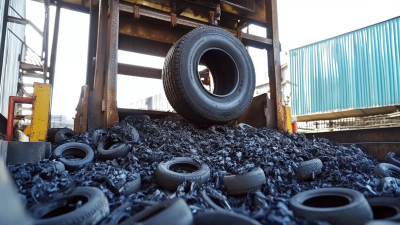
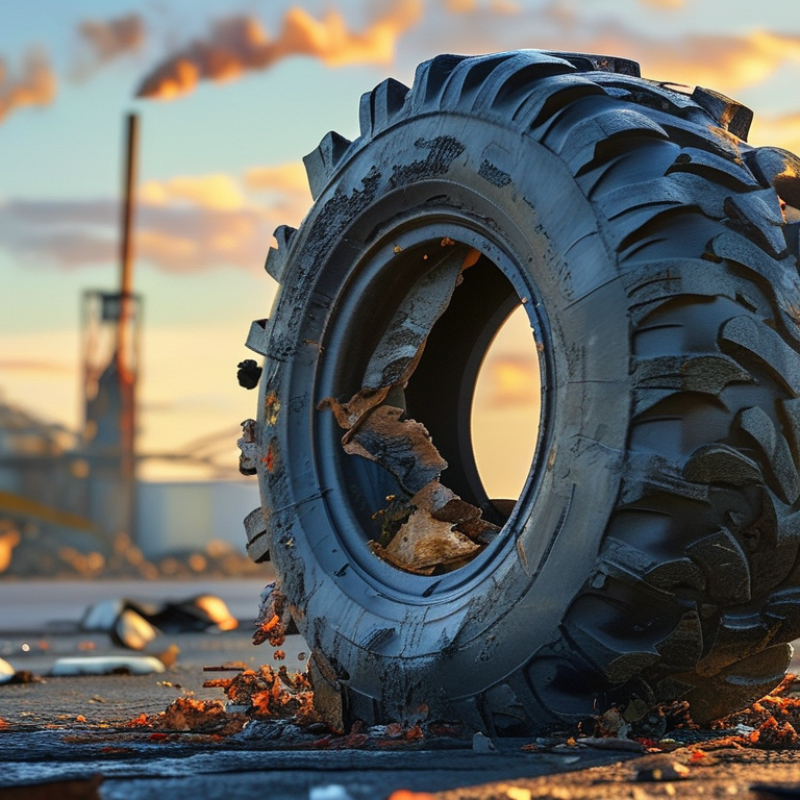
Tire shredding plays a crucial role in promoting environmental sustainability. It helps transform used tires into reusable materials, reducing waste that often ends up in landfills. Each year, millions of tires are discarded. When shredded, these tires can be repurposed for various applications, such as playground surfaces and road construction.
One significant benefit of tire shredding is decreasing pollution. Instead of burning tires—which emits harmful chemicals—shredding mitigates emissions. Furthermore, recycled tire materials can replace natural resources in manufacturing processes. This transition not only conserves resources but also cuts down on energy consumption.
However, challenges remain in tire recycling practices. Not all facilities follow strict standards, leading to inconsistencies in the quality of shredded materials. Some manufacturers may struggle to source enough recycled content for their products. Addressing these issues requires cooperation among stakeholders to ensure safe and effective recycling initiatives. Engaging the community can drive awareness and improve practices for a more sustainable future.
Reduction of Landfill Waste Through Tire Recycling
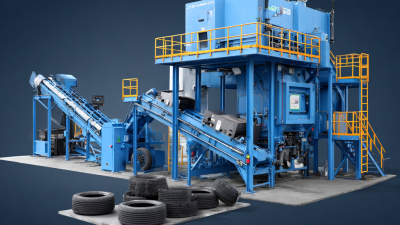
Tire recycling plays a crucial role in reducing landfill waste. Each year, millions of tires end up in landfills, contributing to environmental issues. Shredding tires helps mitigate this problem. It breaks down tires into smaller pieces, making them easier to manage and recycle. By transforming waste into usable materials, we decrease the volume of garbage in landfills.
The shredded tire material can be repurposed for various applications. These include paving roads, creating playground surfaces, and manufacturing rubber products. Each of these options not only diverts tires from landfills but also promotes sustainability. However, the process of tire shredding is not without challenges. Sometimes, the equipment used can be costly. There can also be issues related to the energy consumption during shredding. These factors invite ongoing discussions about efficiency and environmental impact.
Engaging in tire recycling requires commitment. Educating communities about the benefits is essential. People must understand how recycling can lead to less landfill waste. It is important to continuously seek innovative solutions in tire recycling. As we explore better methods, we open up numerous possibilities for promoting a sustainable future. Each step matters, but so does reflecting on areas that need improvement.
Top 10 Benefits of Tire Shredding for Recycling and Sustainability
Economic Advantages of Shredded Tires in Manufacturing
Shredded tires play a crucial role in manufacturing, offering various economic advantages. The recycling of tires reduces waste and provides a valuable resource for construction and industry. According to the U.S. Environmental Protection Agency, nearly 290 million tires are disposed of annually in the United States alone. Tire shredding can turn this waste into new products, significantly cutting costs for manufacturers.
Using shredded tires can lower production costs. Materials derived from tires, such as crumb rubber, serve as flexible and durable alternatives in numerous applications. In asphalt production, the cost savings can reach up to 50%. A study from the Rubber Manufacturers Association noted that using crumb rubber in asphalt can extend road life by 50%. This illustrates the economic viability of tire recycling.
Tire shredding creates jobs and stimulates local economies. It’s estimated that the tire recycling industry supports over 30,000 jobs nationwide. These jobs range from collection to processing, creating opportunities in communities. Conversely, recycling efforts face challenges as not all businesses prioritize sustainable practices. Some sectors still rely on traditional materials. Bridging this gap requires ongoing education and incentives in the industry.
Innovative Applications of Recycled Tire Materials
Recycling tires is more than just a waste management strategy; it opens doors to innovative applications. Recycled tire materials are being utilized in various industries, from construction to transportation. These materials create durable products, such as rubberized asphalt for roads and playground surfaces. This innovative use reduces landfill waste and enhances the quality of infrastructure.
One interesting application is in the production of tire-derived fuel (TDF). TDF is an eco-friendly alternative to fossil fuels in cement kilns and paper mills. It burns efficiently and reduces greenhouse gas emissions. However, this process requires careful management to ensure safety standards are met.
When considering recycled tire materials, here are some tips: Always partner with certified recycling facilities. Look for those with eco-friendly methods. Research the benefits of materials like crumb rubber in athletic fields. This rubber increases traction and safety for athletes. While the advantages are clear, understanding potential drawbacks is essential. Not all rubber products perform equally, and ongoing research is necessary to address concerns about durability and environmental impact. Making informed choices leads to more sustainable practices.
Enhancing Energy Efficiency with Recycled Tire Products
Recycling tires through shredding offers numerous advantages, particularly in enhancing energy efficiency. The process transforms old tires into valuable materials. These materials can then be used in various applications, such as paving roads or manufacturing new products. Each time tires are shredded, they become part of a closed-loop system that conserves resources. This method truly reflects sustainable practices.
Using recycled tire products reduces energy consumption significantly. It takes less energy to produce items from recycled materials versus using virgin resources. For example, incorporating recycled tire rubber in asphalt requires fewer fossil fuels during production. This shift not only lowers carbon emissions but also promotes environmental stewardship.
Some challenges do exist in tire recycling. Not all facilities are equipped for large-scale shredding. Additionally, the market for recycled tire products can be volatile. These hurdles remind us that while we aim for sustainability, continuous improvement is essential. Investing in technology and infrastructure is key to overcoming these obstacles. The future of recycling lies in our collective commitment to refine these processes and maximize our efforts.