Exploring the Best Pla Shredder Options for Eco Friendly Recycling in China
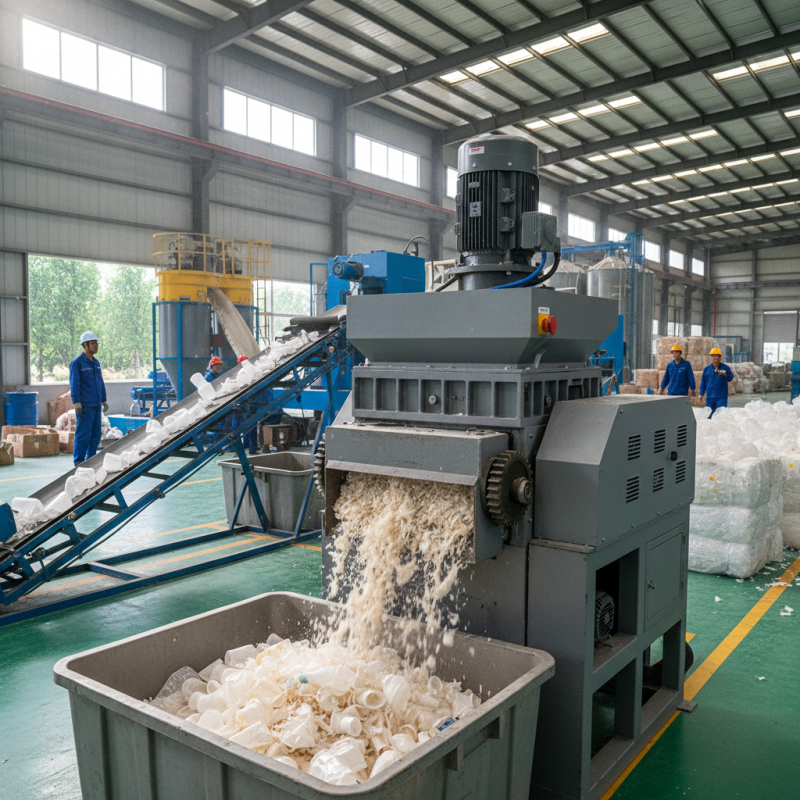
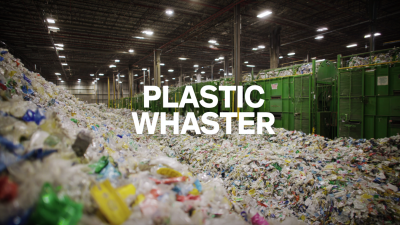
In recent years, environmental concern has surged in China. The use of PLA (polylactic acid) materials is gaining attention. As we seek eco-friendly solutions, the importance of a PLA shredder becomes evident. These machines play a crucial role in recycling processes.
A PLA shredder breaks down biodegradable plastics. This facilitates their conversion into new products. However, choosing the right PLA shredder can be challenging. Different models offer various features and efficiency levels. Some options are more effective in reducing waste than others.
While many companies promote these shippers, not all are equal. Some may fall short in terms of durability or energy efficiency. As we explore the best PLA shredder options, we must weigh the benefits and drawbacks. This journey reveals the complexity of eco-friendly recycling and the need for constant improvement.
Overview of Pla Shredders and Their Importance in Recycling
PLA shredders play a crucial role in the recycling process. These machines help manage polylactic acid (PLA), a biodegradable polymer used in many products today. With the rise of eco-conscious consumption in China, efficient recycling of PLA is more important than ever. According to industry reports, the demand for biodegradable materials is expected to reach 2 million tons by 2025. This shift highlights the need for effective shredding solutions.
Proper shredding increases the efficiency of recycling PLA. It allows for easier processing, leading to higher quality recycled materials. However, many facilities struggle with outdated equipment. This can slow down operations and reduce sustainability efforts.
Investing in modern PLA shredders is essential for any facility aiming to improve its eco-friendly initiatives.
Tips for selecting a PLA shredder include considering machine capacity and maintenance requirements. Look for shredders that offer adjustable settings. This flexibility can accommodate different types of PLA materials. Regular maintenance checks are vital for optimal performance. Keeping machines in good condition can prevent breakdowns and ensure consistent recycling. Remember, a well-maintained shredder contributes to a smoother recycling process.
Types of Eco-Friendly Pla Shredders Available in China
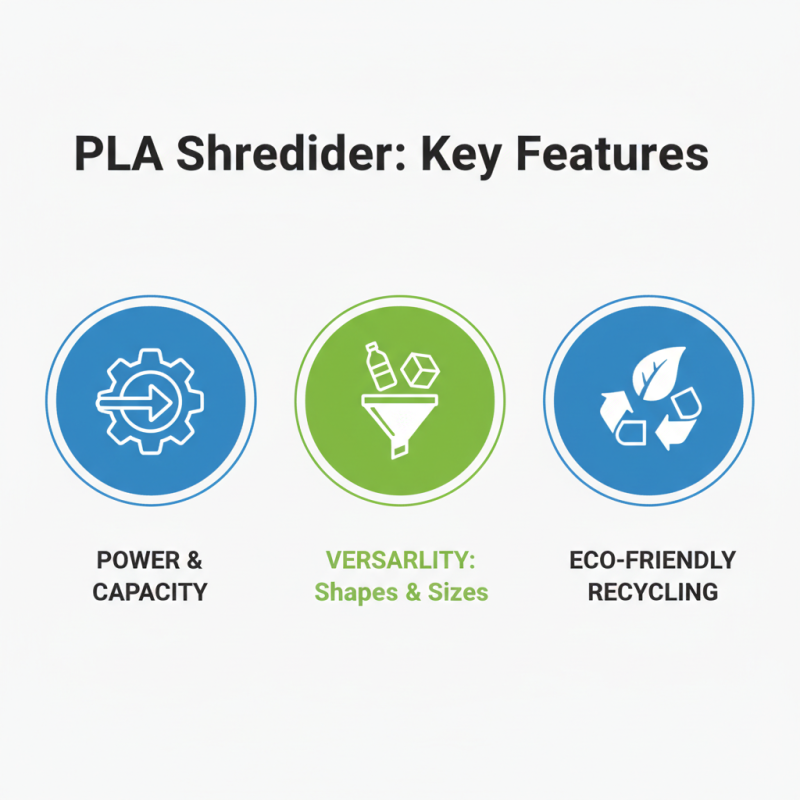
In China, eco-friendly PLA shredders are gaining popularity. These machines are designed specifically for processing polylactic acid, an environmentally friendly alternative to traditional plastics. The market offers diverse options, catering to various needs and industries. Some machines are compact, suitable for small businesses. Others are larger, meant for high-capacity recycling facilities.
Common types of PLA shredders include single-shaft and multi-shaft designs. Single-shaft machines are often easier to operate and maintain. They produce uniform particle sizes, but they might not handle thicker materials well. Multi-shaft models are more versatile. They can shred a wider variety of materials, yet they may require more maintenance. It's important to evaluate your needs carefully.
While these technologies hold promise, challenges remain. Many users struggle with efficiency and durability. Sometimes, they experience wear and tear more quickly than expected. Selecting the right shredder is crucial for maximizing eco-friendly practices. It’s essential to balance performance with sustainability. This can be a complex decision, requiring thoughtful consideration of different factors.
Environmental Benefits of Using Pla Shredders for Recycling
PLA (polylactic acid) shredders play a vital role in eco-friendly recycling. These machines break down PLA materials into manageable pieces. This process reduces waste significantly. Shredding ensures that more of the material can be recycled, thus minimizing environmental impact.
Using PLA shredders can lead to several environmental benefits. They help divert plastic waste from landfills. Instead of sitting in a landfill for years, shredded PLA can be reapplied in various applications. The production of new PLA can also be lessened. This reduction ultimately decreases carbon emissions linked to plastic processing.
However, challenges exist. Not all facilities are equipped for effective recycling. There’s a need for more educational efforts. Many businesses still overlook the importance of proper waste management. It’s crucial to address these gaps as we embrace sustainable practices.
Best Practices for Operating and Maintaining Pla Shredders
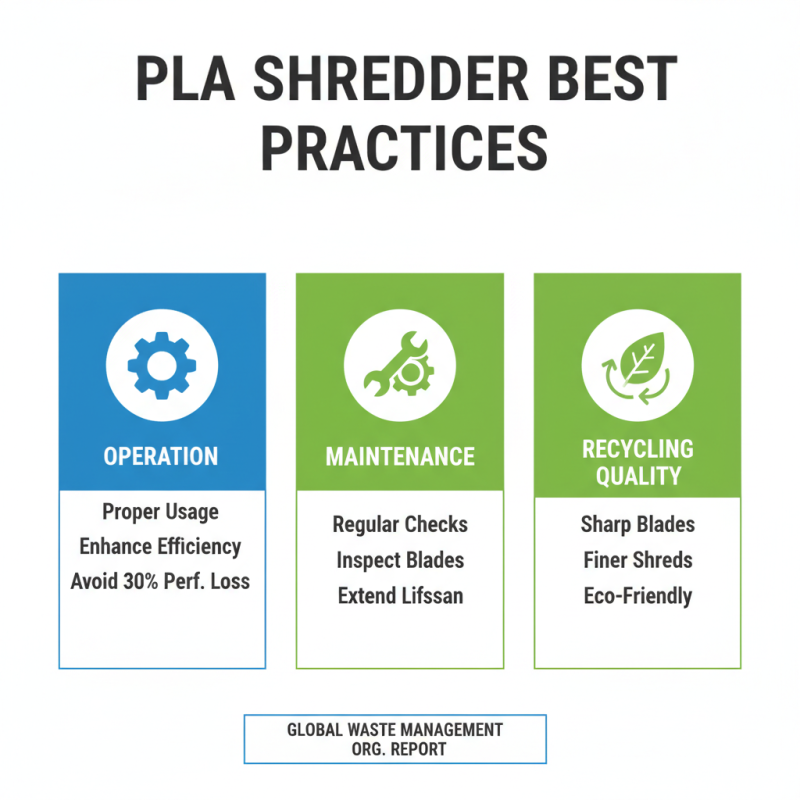
Operating and maintaining PLA shredders requires attention to detail. Proper usage can extend the life of the machine and enhance efficiency. According to a recent report by the global waste management organization, improper handling can lead to a 30% decrease in performance. Regular maintenance checks are essential. Operators should inspect blades for wear and tear frequently. Sharp blades ensure finer shred sizes, critical for eco-friendly recycling.
Training staff on the correct operation is also vital. A 2019 study revealed that well-trained operators can reduce downtime by 25%. They should know how to adjust settings based on the materials being shredded. For instance, PLA can behave differently depending on its additives. Improper adjustments can lead to inconsistencies, which is wasteful.
Waste management practices are evolving. Recycling PLA effectively contributes to reducing the environmental footprint of plastic waste. However, the importance of routine maintenance is often overlooked. It's not just about shredding; it's about responsible operation that supports sustainable goals. Addressing these operational challenges head-on will pave the way for better recycling outcomes in China.