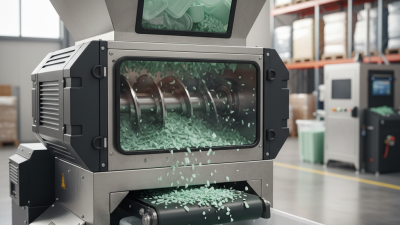
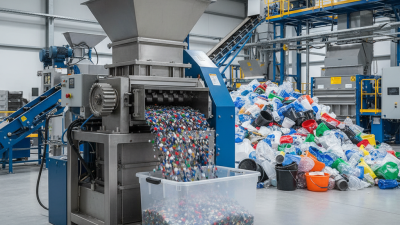
In the realm of waste management, the importance of an effective solution cannot be overstated. The HDPE Shredder Machine plays a crucial role in tackling plastic waste. This machine is designed for durability and efficiency, making it a reliable choice for businesses and municipalities alike. With the rising concerns over plastic pollution, investing in the right technology is vital.
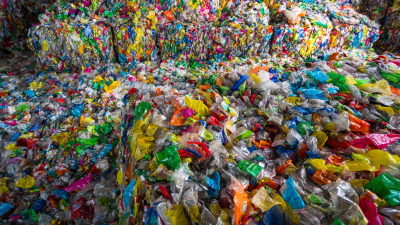
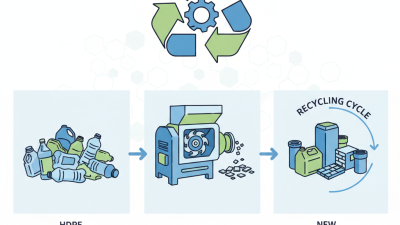
HDPE, or high-density polyethylene, is a common material found in many products. Its widespread use poses significant challenges for waste management. The HDPE Shredder Machine addresses these challenges by efficiently breaking down large volumes of plastic waste. This not only reduces storage space but also prepares materials for recycling. The process transforms waste into manageable pieces, promoting a circular economy.
While the HDPE Shredder Machine offers numerous benefits, its implementation requires careful consideration. Users must be trained properly to operate the machine safely. Maintenance is also critical for ensuring long-term reliability. As waste management practices evolve, reflecting on the performance and efficiency of these machines will be essential. The HDPE Shredder Machine could be pivotal in creating a cleaner, more sustainable future.
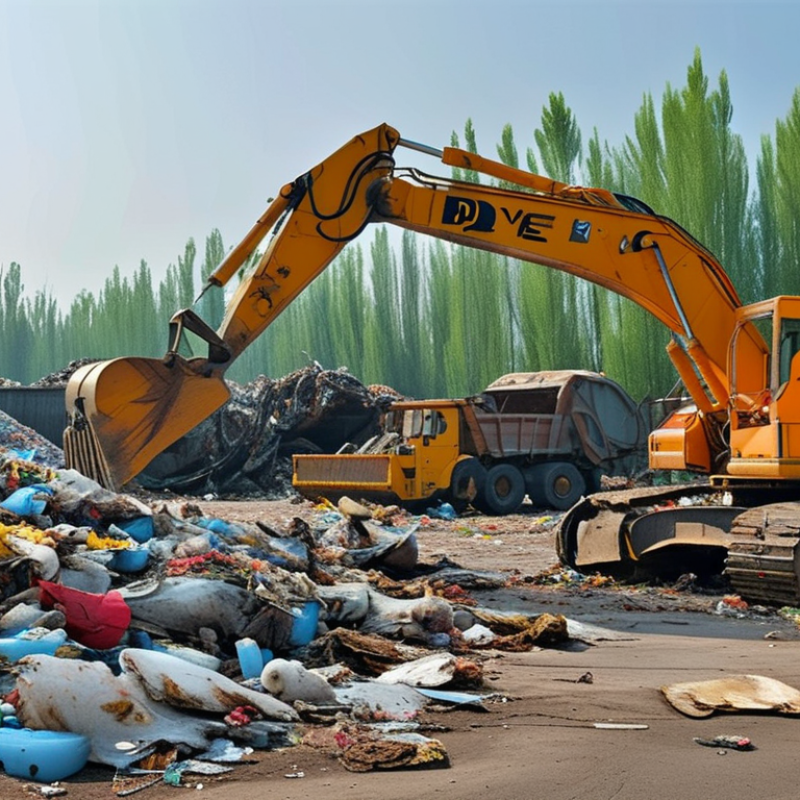
China has taken a leading role in the HDPE shredder machine market, showcasing impressive technological advancements. These machines are designed for effective waste management, particularly in recycling HDPE plastics. As environmental concerns grow globally, China has responded with innovative solutions. The country's manufacturing processes emphasize efficiency and sustainability, making these machines essential for modern waste management.
When considering an HDPE shredder machine, note the importance of capacity and design. A machine with a higher capacity can handle larger loads, saving time and energy. Ask about the materials used in the machine. Durable components ensure longevity and consistent performance.
One tip for potential users is to consider maintenance. Regular upkeep can prevent costly repairs and downtime. Additionally, look into local service options for quick support. Understanding the technology helps users make informed decisions, enhancing waste management efforts.
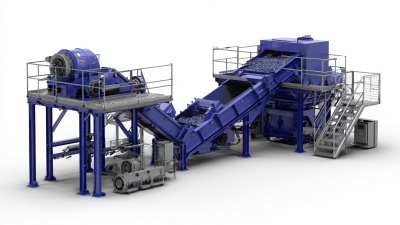
The benefits of HDPE shredders in waste management are notable. These machines efficiently reduce the size of high-density polyethylene materials. They help streamline recycling processes, making it easier to handle plastic waste. Shredded HDPE takes up less space, which is crucial for waste transportation and storage.
In addition to size reduction, HDPE shredders enhance resource recovery. By breaking down plastics, they facilitate better sorting and processing. This leads to higher recycling rates, positively impacting the environment. However, maintenance and operation require trained personnel to ensure safety and efficiency. Neglecting proper care can lead to performance issues.
While HDPE shredders significantly improve waste management, challenges exist. The initial costs may deter some businesses from investing. Operators need to be vigilant about the materials fed into the machines. Contaminated plastics can diminish processing effectiveness. Continuous evaluation of operational practices is essential for maximizing benefits.
This chart illustrates the key benefits of using HDPE shredders in waste management. The data highlights the effectiveness of shredders in reducing plastic waste, achieving cost savings, improving operational efficiency, impacting the environment positively, and increasing recycling rates.
When seeking effective waste management solutions, the selection of the best HDPE shredder machines in China plays a pivotal role. Key features to consider include the machine's capacity to handle various sizes and types of plastic. According to recent industry reports, around 300 million tons of plastic waste are generated each year globally. An efficient shredder can significantly reduce this volume, ultimately contributing to sustainability efforts.
The best HDPE shredders should also offer high durability and reliability. Machines made from robust materials can operate under heavy loads without frequent breakdowns. Performance metrics indicate that shredders with a processing capacity of over 1,000 kg per hour can streamline recycling processes effectively. Often, these machines come equipped with advanced blade systems, designed to optimize cutting efficiency while minimizing energy consumption. However, it remains crucial to assess maintenance requirements, as some machines may necessitate frequent servicing, which can offset operational benefits.
Another aspect to ponder is the noise level during operation. While some shredders are engineered to operate quietly, others may produce significant sound. This can impact workplace conditions, potentially creating a need for additional noise reduction measures. The ideal shredder would balance power and sound, addressing both efficiency and workplace comfort.
| Model | Power (kW) | Capacity (kg/h) | Shredding Chamber Size (mm) | Weight (kg) | Price ($) |
|---|---|---|---|---|---|
| Model A | 15 | 300 | 600 x 400 | 500 | 2000 |
| Model B | 18.5 | 400 | 800 x 600 | 700 | 3000 |
| Model C | 22 | 500 | 1000 x 800 | 900 | 4500 |
| Model D | 30 | 800 | 1200 x 1000 | 1200 | 6000 |
The recycling rates for High-Density Polyethylene (HDPE) indicate a significant opportunity for improving waste management solutions. A report by the Environmental Protection Agency (EPA) shows that only about 30% of HDPE products are recycled in the United States. This underscores the need for advanced HDPE shredder machines, which can enhance the recycling process by effectively reducing plastic waste into manageable sizes.
In 2021, the global HDPE recycling market was valued at approximately $1 billion, with expectations to grow at a CAGR of 15% over the next five years. This growth is driven by increasing awareness of environmental sustainability and stringent regulations on plastic waste. However, many facilities still struggle with outdated shredding technology. This lag creates inefficiencies in processing. Modern shredder machines not only improve recycling rates but also help manufacturers meet their sustainability goals.
**Tips:** When considering shredding technology, ensure the grinder has adjustable settings. This allows for flexibility in processing different HDPE waste types. Moreover, regular maintenance can prevent unexpected breakdowns, ensuring smooth operations. Investing in training staff on proper operation can improve efficiency and safety as well.
When considering HDPE shredders, it's essential to examine the features offered by leading manufacturers in China. The market showcases various machines that differ in capacity, durability, and price. Some models are compact but lack robust performance, raising questions about their effectiveness in waste management. Alternatively, larger machines often provide higher throughput but may not fit well in limited spaces.
Efficiency is a key factor in the selection process. Many machines promise quality output, yet some users report inconsistent results. Reliability varies, with certain models requiring frequent maintenance. This inconsistency can impact overall waste management strategies. Thus, potential buyers must weigh the cost against the expected performance and longevity.
The technology in this field is continually evolving. Users should keep an eye on innovative designs. Some newly introduced features, although promising, remain untested in practical applications. Balancing innovation with proven reliability is crucial for effective waste management. Understanding these nuances will help in making informed decisions about HDPE shredders.