2026 How to Choose the Best Plastic Head Shredder for Your Needs?
Choosing the right Plastic Head Shredder is crucial for effective waste management. Several factors can impact your decision. You need to consider specific features, capabilities, and overall performance.
When selecting a Plastic Head Shredder, evaluate your requirements. What type of materials will you process? The shredder should match your needs. Not all models are created equal. Some may lack durability or can struggle with thicker plastics.
For reliable performance, research reputable brands. Look for reviews and feedback from users. A shredder's efficiency often directly correlates with its design and technology. Understand that price doesn't always equal quality. Make informed choices to ensure you select the best Plastic Head Shredder for your needs.
Understanding the Basics of Plastic Head Shredders
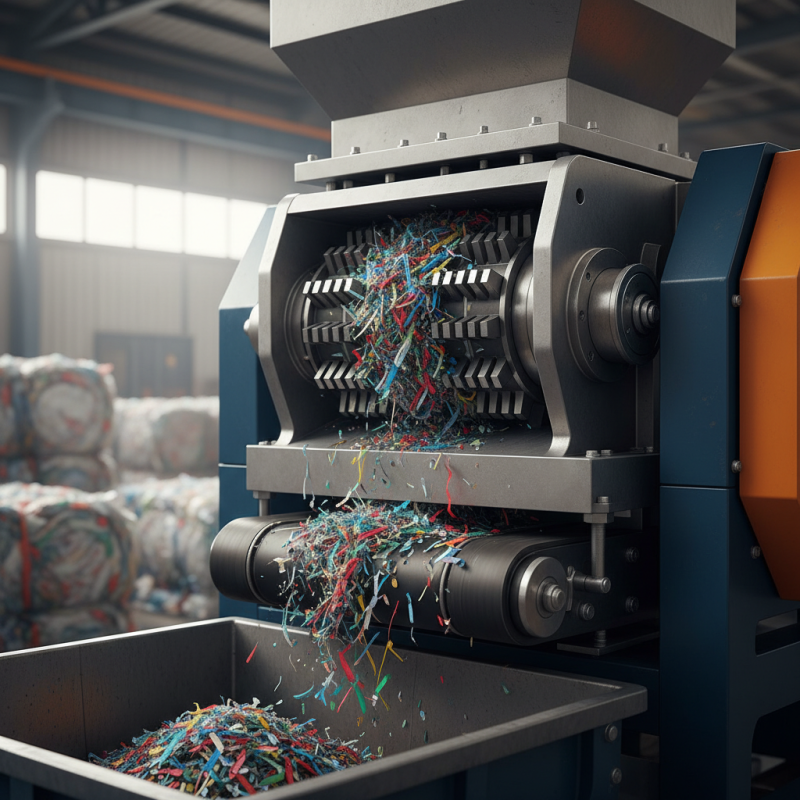
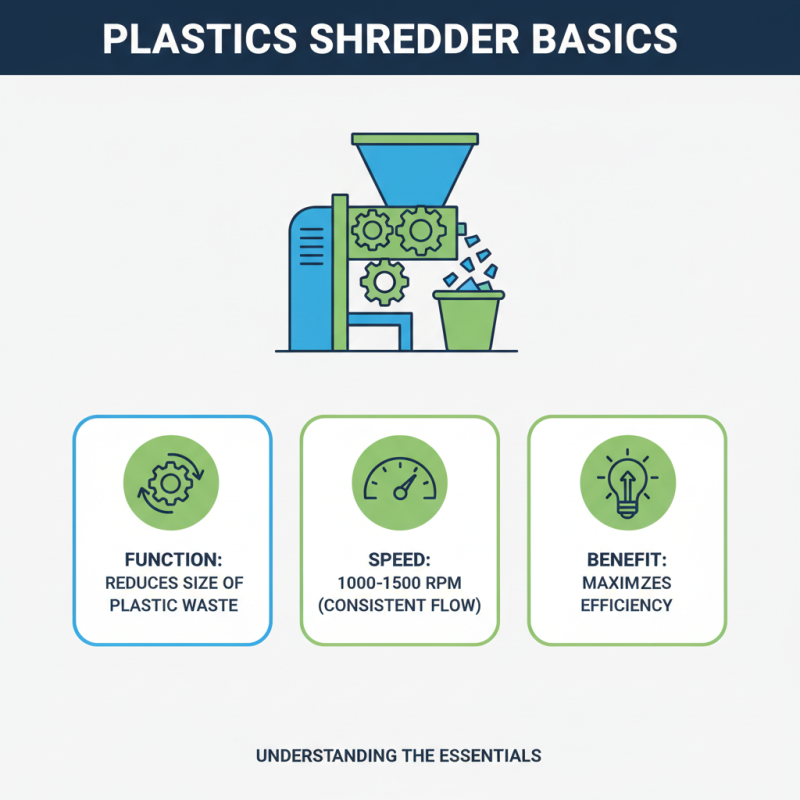
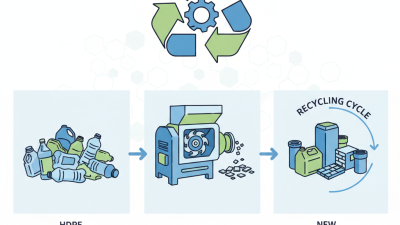
When considering a plastic head shredder, it is vital to understand its basic functions. These machines are designed to reduce the size of plastic waste. A standard plastic shredder often works at 1000 to 1500 RPM. This speed ensures a steady flow of shredded material. Properly understanding these specifications can help maximize efficiency.
Shredders come in various sizes and configurations. Each type serves different purposes. Some machines excel in processing soft plastics, while others handle rigid materials. Industry reports indicate that approximately 30% of plastic waste generated is not recycled effectively. Choosing the right shredder can significantly improve recycling rates. It can also minimize the environmental impact of plastic waste.
Not every shredder meets the necessary safety and operational standards. Many individuals underestimate machine maintenance needs. Regular checks and replacements of blades can prevent downtime and enhance performance. Striving for a balance between quality and cost is essential. Additionally, user experience can vary widely based on the chosen equipment. Each usage scenario can reveal flaws and areas for improvement in the shredding process.
Identifying Your Specific Shredding Needs
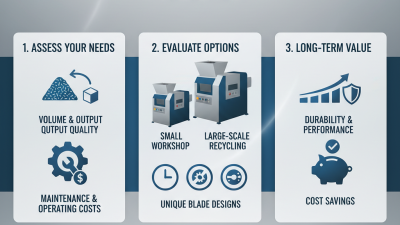
When choosing a plastic head shredder, it’s essential to identify your specific shredding needs. Consider the types of materials you will be shredding. Various reports suggest that materials like PET and HDPE require different shredding capacities due to their density and composition. Understanding these details can significantly impact performance and efficiency.
Lifespan of shredders can vary widely. Some reported data indicates that shredders used continuously for industrial purposes may last only 5-10 years, while others in lighter usage can extend beyond 15 years. Assessing how frequently you'll use the shredder helps estimate its lifespan. Regular maintenance plays a key role, however, often overlooked until problems arise.
**Tips:**
Evaluate your shredding volume. If you deal with large quantities daily, opt for a higher-capacity model.
Also, consider the machine's ability to handle different materials. Not all shredders excel in multi-material scenarios.
Lastly, invest in safety features; these can protect operators from potential hazards. Select the right shredder, and you may find efficiency and safety go hand in hand.
Comparing Different Types of Plastic Head Shredders
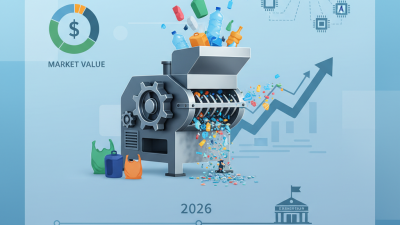
When evaluating plastic head shredders, it’s crucial to understand the differences between types available. The market offers various models catering to different needs. Some machines are designed for heavy-duty tasks, while others suit smaller projects. The shredder type impacts efficiency and output quality. According to industry reports, the global plastic shredder market is projected to grow by 4.5% annually, indicating an increasing reliance on these machines.
Different shredders have unique capabilities. For instance, single-shaft shredders provide a consistent output size, making them ideal for recycling purposes. In contrast, four-shaft models reduce contaminants more effectively, which is essential for high-purity applications. A recent survey noted that 78% of businesses ranked material purity as a top concern. Choosing the right type is critical for optimizing operations.
Tips: Consider your volume needs. If shredding large quantities, opt for robust, high-capacity models. Pay attention to maintenance requirements. Some machines need regular checks, while others are low-maintenance. Evaluate your budget carefully; higher upfront costs may save money long-term through efficiency gains. Understanding your specific application will help make an informed decision.
2026 How to Choose the Best Plastic Head Shredder for Your Needs?
| Type |
Cutting Mechanism |
Shredding Capacity (kg/h) |
Power Consumption (kW) |
Noise Level (dB) |
Ideal Use |
| Single Shaft |
Rotating Blade |
300-500 |
5-10 |
75 |
Plastic Recycling |
| Dual Shaft |
Rotating Blades |
400-600 |
10-15 |
80 |
Industrial Waste |
| Granulator |
Fixed Blade |
200-400 |
3-7 |
70 |
Film and Small Blades |
| Chunk Shredder |
Heavy Duty Blade |
500-800 |
15-20 |
85 |
Bulk Waste Management |
Evaluating Key Features and Specifications
When selecting a plastic head shredder, consider the core features. The cutting mechanism is vital. A sharp, efficient blade can make a big difference. Look for shredders that offer multiple cutting settings. This versatility allows you to handle various types of plastic. You need the right tool for different tasks.
Next, check the power source. Electric and manual options both exist. Electric models often provide more consistent performance. However, manual ones can be more portable. Think about where you will use the shredder. A heavier model may not be practical for remote locations.
Finally, examine the safety features. Proper guards and shields are critical. Safety should never be overlooked, even with simple tasks. Don’t ignore user reviews, as they provide real-world insights. Look for feedback on durability and ease of use. These factors will help you make an informed choice.
2026 How to Choose the Best Plastic Head Shredder for Your Needs?
This chart illustrates the key specifications to consider when choosing a plastic head shredder. By evaluating features such as power, weight, cutting width, noise level, and capacity, you can make a more informed decision based on your specific requirements.
Maintenance Tips for Long-lasting Shredder Performance
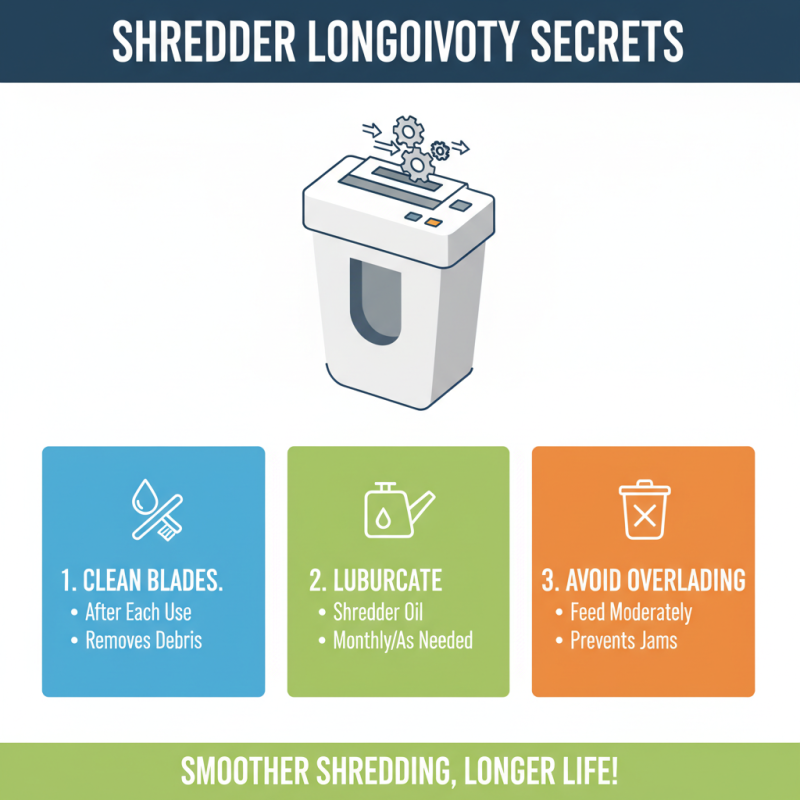
Maintaining your plastic head shredder is crucial for optimal performance and longevity. Regular upkeep helps prevent issues and enhances efficiency. Start by cleaning the blades after each use. This routine eliminates debris that can dull the cutting edges. It’s easy to overlook this step, yet it’s vital. A well-maintained shredder functions smoothly and can handle more extensive jobs.
Another tip is to check the motor regularly. Listen for unusual noises during operation. They might signal impending problems. Don't ignore these signs. Lubricate the moving parts as recommended by the manufacturer. This simple step can extend your shredder's lifespan significantly. Neglecting lubrication can lead to overheating, which may permanently damage internal components.
Finally, store your shredder in a dry place. Moisture can lead to rust and corrosion. Use a cover to protect it from dust when not in use. While it's tempting to leave it out, proper storage is key to maintaining its integrity. Remember, even small habits can make a big difference in performance.