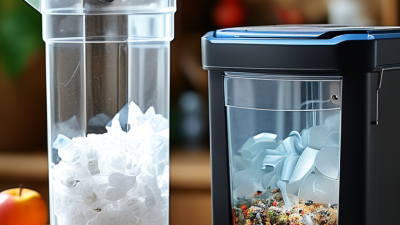
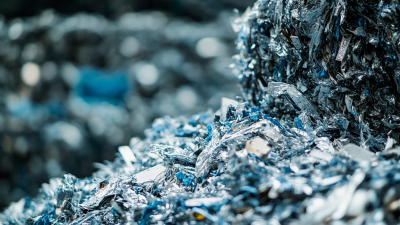
How to Choose the Best Plastic Shredder Machine for Your Needs
When selecting a Plastic Shredder Machine, the choices can feel overwhelming. Various models exist, each with specific features and capabilities. Understanding your unique needs is crucial in finding the right fit.
Consider the volume of material you plan to shred. Some machines are better suited for heavy-duty tasks, while others work well for lighter applications. The shred size, motor power, and durability are also important factors. You might face decision fatigue due to the multitude of available options.
However, not all products live up to their promises. It’s essential to research and compare different brands. Look for customer reviews and expert opinions to gauge performance. A reliable and efficient Plastic Shredder Machine can significantly impact your workflow. Ultimately, your choice should align with your operational goals and budget.
Understanding the Types of Plastic Shredder Machines Available
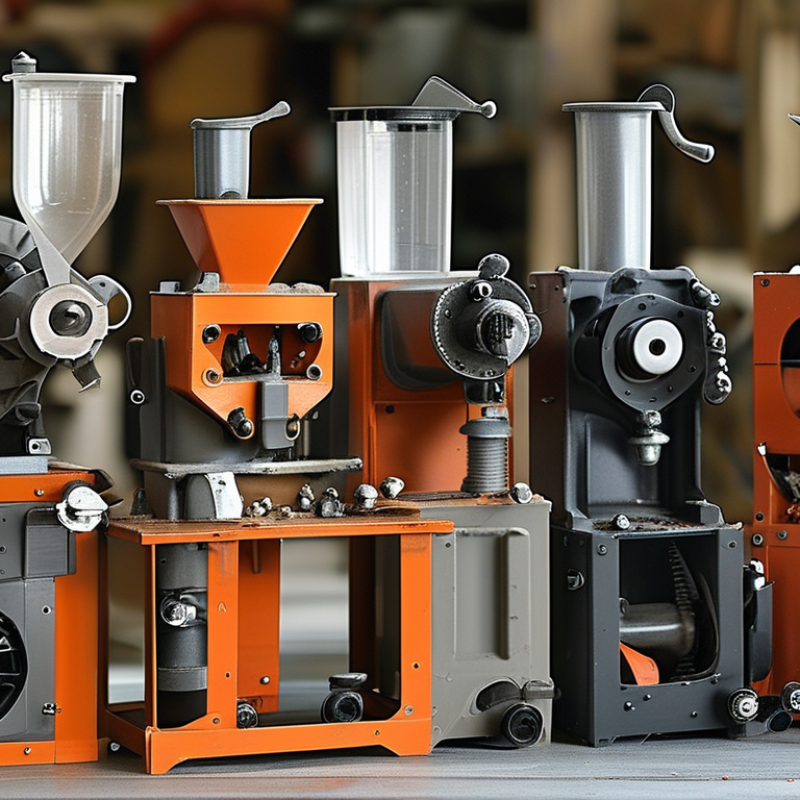
When selecting a plastic shredder machine, understanding the various types available is essential. Different machines serve unique purposes, making it crucial to match your needs with the right shredder. For instance, single-shaft shredders are versatile and good for general plastics. They can handle a variety of materials and are efficient in reducing size. However, they may not be the best for specific plastic types like rigid sheets or large products.
Two-shaft shredders provide more power and precision. These machines excel at processing tougher materials. They cut plastics into consistent sizes. This consistency can be beneficial when preparing materials for recycling. On the other hand, high-speed granulators are designed for speed and efficiency. They can handle smaller plastics, like film or scrap. Yet, if not monitored closely, they might not achieve the desired size reduction.
Considering these variations, think about your specific requirements. Are you dealing with large volumes of soft plastic or challenging rigid materials? Each machine has its strengths and weaknesses. Ensuring you choose one that aligns with your operational needs is fundamental. Reflecting on the intended use will lead to a more effective shredding process and better recycling outcomes.
Assessing Your Material Requirements and Processing Needs
When selecting a plastic shredder machine, understanding your material requirements is crucial. Different plastics have unique characteristics. Some are softer, like polyethylene, while others, like polypropylene, are more rigid. Knowing the type of plastic you will process helps you choose the right machine.
Processing needs also vary. If your goal is to create uniform pieces for recycling, a machine with adjustable cutting size is essential. The volume of your input material also matters. High-volume operations need heavy-duty machines. On the other hand, smaller enterprises may benefit from portable options.
Many users overlook maintenance requirements. Regular upkeep prevents unexpected breakdowns. It's wise to consider the availability of replacement parts too. Machines with limited parts can lead to long downtimes. Reflecting on these aspects ensures you select a reliable machine that meets your specific needs.
Key Features to Consider in a Plastic Shredder Machine
When selecting a plastic shredder machine, several key features can significantly influence effectiveness. One crucial aspect to consider is the shredder's capacity. Machines vary widely, with many designed to handle tasks from small-scale operations to industrial-scale shredding. According to industry reports, plastic waste has surged by 300% in the past 30 years, making high-capacity shredders vital for businesses aiming to reduce waste.
Another essential feature is the blade design. A robust blade system can efficiently process various types of plastics, from soft PET to rigid PVC. High-quality blades can reduce energy consumption by up to 20%, which is a significant consideration given rising energy costs. Some machines offer interchangeable blades for versatility, but switching can be time-consuming and may lead to inconsistencies in output quality. Finding a balance between versatility and efficiency is a common challenge.
Noise and vibration levels should also not be overlooked. Excessive noise can be a distraction in work environments. Many modern shredder models aim to minimize these factors. However, some machines still fall short, causing worker discomfort. Regular maintenance is needed to ensure optimal performance, but compliance is often overlooked, leading to operational inefficiencies. Therefore, weighing these features before making a decision is crucial.
Evaluating Brand Reputation and Customer Reviews
When selecting a plastic shredder machine, brand reputation is crucial. Established brands typically invest in quality and innovation. Look for companies that have been in business for several years. They often have a proven track record. Check their online presence and the information available about their products. A strong brand reputation can indicate reliability.
Customer reviews provide valuable insights. Reading what others say can help shape your decision. Look for machines with high ratings and positive feedback. Pay attention to common themes in reviews. Are there complaints about performance? How do users feel about customer support? A machine may have good specs, but if users have issues, it raises concerns.
Try to find independent reviews. These often provide a more honest perspective. Reviews from industry experts can guide your choice. Remember, even top brands can receive criticism. Reflect on the experiences of others, but also trust your instincts. Balance expert opinions with user feedback to make an informed decision.
Budgeting for Your Plastic Shredder: Costs and Maintenance Factors
When budgeting for a plastic shredder, the initial cost is only part of the equation. Industry reports indicate that the price range for these machines can vary significantly, from around $1,000 to over $100,000, depending on capacity and features. Understanding your specific needs is crucial. A higher upfront cost can offer advanced technology and better efficiency, potentially saving money in the long run.
Maintenance costs also play a vital role in budgeting. Regular maintenance is essential for optimal machine performance, and experts suggest setting aside 10-20% of the initial purchase cost annually for upkeep. Neglecting maintenance can lead to expensive repairs and downtime. For example, the average cost for replacing blades can be $500 to $2,000, based on usage. This aspect may seem minor until a machine failure occurs.
Moreover, energy consumption should not be overlooked. A low-quality shredder can consume up to 40% more energy than a well-designed model. According to recent studies, the lifetime operational cost can exceed the purchase price by three to five times, depending on energy efficiency. It’s important to weigh these factors carefully, as choosing the right machine not only influences immediate costs but also long-term sustainability and operational efficiency.
Budgeting for Your Plastic Shredder: Costs and Maintenance Factors