How to Choose the Best Plastic Shredder Machine for Your Recycling Needs
When it comes to recycling, one of the most crucial tools you can invest in is a Plastic Shredder Machine. This equipment plays a vital role in the waste management process, helping to break down large plastic items into smaller, more manageable pieces. Choosing the right plastic shredder is essential for maximizing efficiency and ensuring that your recycling efforts are both effective and sustainable. The right machine can greatly influence not only the volume of plastic you can process but also the quality of the recycled material produced.
In this guide, we will explore the key factors to consider when selecting a Plastic Shredder Machine tailored to your specific recycling needs. From understanding the different types of shredders available to evaluating machine specifications such as capacity and power, we aim to equip you with the knowledge necessary to make an informed decision. By carefully assessing your requirements and the capabilities of various machines, you can significantly enhance your recycling operations and contribute to a more eco-friendly environment.
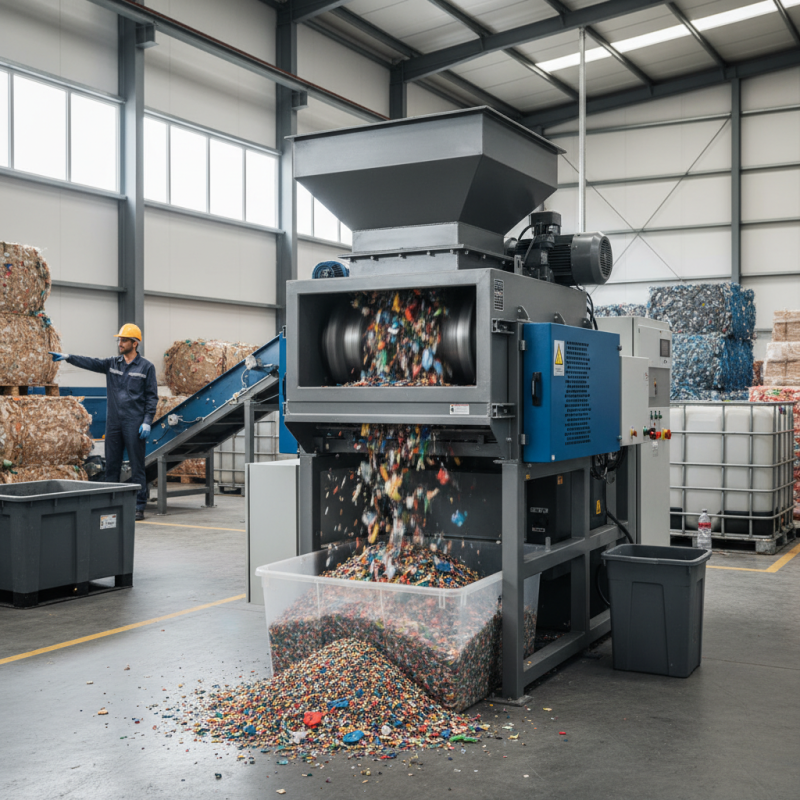
Understanding Different Types of Plastic Shredder Machines Available
When selecting a plastic shredder machine, understanding the various types available is crucial for meeting specific recycling needs.
The most common types include single-shaft, double-shaft, and granulator shredders.
Single-shaft shredders are recognized for their efficiency and ability to process large volumes of plastics, making them suitable for operations that require high throughput.
According to a report by Research and Markets, the demand for single-shaft shredders has surged, projecting a compound annual growth rate (CAGR) of 4.5% through 2027 as industries seek to streamline their recycling processes.
Double-shaft shredders, on the other hand, are more versatile in handling diverse plastic materials and are particularly effective for tougher materials that resist other shredding methods.
These machines often feature more complex designs, allowing for greater control over the shredding process, which can lead to reduced operational costs.
Industry research shows that the market for double-shaft shredders is also on the rise, fueled by environmentally-conscious policies and an increasing emphasis on waste reduction across manufacturing sectors.
Lastly, granulator shredders are ideal for processing plastic waste into smaller, uniform particles.
They are predominantly used in recycling operations that need to create materials for reprocessing.
The increasing adoption of granulator shredders is supported by a study indicating that over 60% of plastic recyclers are prioritizing equipment that enhances particle size consistency, thereby improving the quality of recycled products.
Understanding these distinctions among shredder types enables businesses to make informed decisions that align with their recycling strategies and goals.
Key Features to Look For in a High-Quality Plastic Shredder
When selecting a plastic shredder machine for your recycling needs, understanding the key features that define a high-quality unit is essential. First and foremost, consider the shredder's capacity and feed size. A high-quality shredder should be able to handle a variety of plastics, from thin films to robust containers. According to a recent industry report, machines with a capacity of over 1,000 pounds per hour tend to optimize recycling processes effectively, making them a popular choice for businesses aiming for efficiency.
Another critical feature is the type of cutting mechanism. Shredders with dual-shaft systems are widely recognized for their ability to shred tougher materials while offering a finer particle size. This capability can significantly enhance the manageability of recyclables. Additionally, pay attention to the machine's power consumption. Energy-efficient models can operate effectively with lower energy inputs, providing substantial cost savings over time. Research has shown that energy-efficient shredders can reduce operational costs by up to 30%.
Tips: Always assess the ease of maintenance for your chosen shredder. Look for machines equipped with automatic lubrication systems and accessible cutting chambers for quick part replacements. Furthermore, consider a shredder with built-in safety features, such as emergency shut-off mechanisms, to protect operators during heavy-duty usage. Selecting the right shredder with these high-quality features will not only enhance your recycling efforts but also contribute to a more sustainable operation.
Assessing the Capacity and Size Requirements for Your Recycling Operation
When selecting a plastic shredder machine for your recycling operation, assessing the capacity and size requirements is paramount. According to a report by the National Recycling Coalition, the average small to medium-sized recycling facility processes about 1 to 5 tons of plastic waste per day. Therefore, choosing a shredder that can handle this volume is essential to ensure efficient operations. A machine with a capacity of at least 1,000 pounds per hour is often recommended for such facilities to maintain a steady flow of processed material while reducing downtime for maintenance.
In addition to capacity, the physical size of the shredder plays a crucial role in your recycling setup. Facilities are frequently constrained by space, making it important to assess the footprint of the machine carefully. A study from the Association of Plastics Recyclers indicates that shredders designed for compact spaces can significantly improve workflow and accessibility. Equipment that is too large can hinder movement and create inefficiencies, while a shredder that fits well within the operation's layout can streamline processes and enhance productivity. It is advisable to evaluate both the material throughput and the spatial requirements to find a plastic shredder that aligns with your specific recycling needs.
How to Choose the Best Plastic Shredder Machine for Your Recycling Needs
| Dimension |
Specifications |
Capacity (kg/h) |
Motor Power (kW) |
Dimensions (mm) |
| Small |
Desktop Compact Shredder |
50 |
2.2 |
600 x 400 x 800 |
| Medium |
Industrial Grade Shredder |
200 |
5.5 |
1200 x 800 x 1200 |
| Large |
Heavy Duty Shredder |
500 |
15 |
2000 x 1200 x 1800 |
| Customizable |
Tailored Shredder |
Varies |
Varies |
Custom |
Evaluating Cost vs. Performance: Finding the Right Balance
When selecting the best plastic shredder machine for your recycling needs, it's crucial to evaluate the balance between cost and performance. The global plastic recycling market is projected to grow significantly, with an estimated value of $37.8 billion by 2027, indicating a rising demand for efficient shredding technologies. Cost is often a primary consideration for businesses; however, investing in high-quality shredders can lead to better processing capabilities and long-term savings. A lower upfront cost may mean sacrificing crucial features such as higher throughput rates and durable components, which can ultimately impact the machine’s efficiency and lifespan.
Performance metrics such as motor power, cutting capacity, and material compatibility should be prioritized when assessing plastic shredders. For example, machines with motors rated at 15 to 30 horsepower tend to offer optimal performance for regular recycling operations, cutting through various types of plastics effectively. According to industry reports, shredders with a higher throughput can process over 1,000 kg of material per hour, substantially increasing productivity and reducing operational downtime. Balancing these performance figures with your budget allows for a more informed decision, ensuring that your investment in a plastic shredder meets both your economic and environmental goals effectively.
Analyzing Industry Standards and Safety Regulations for Shredder Use
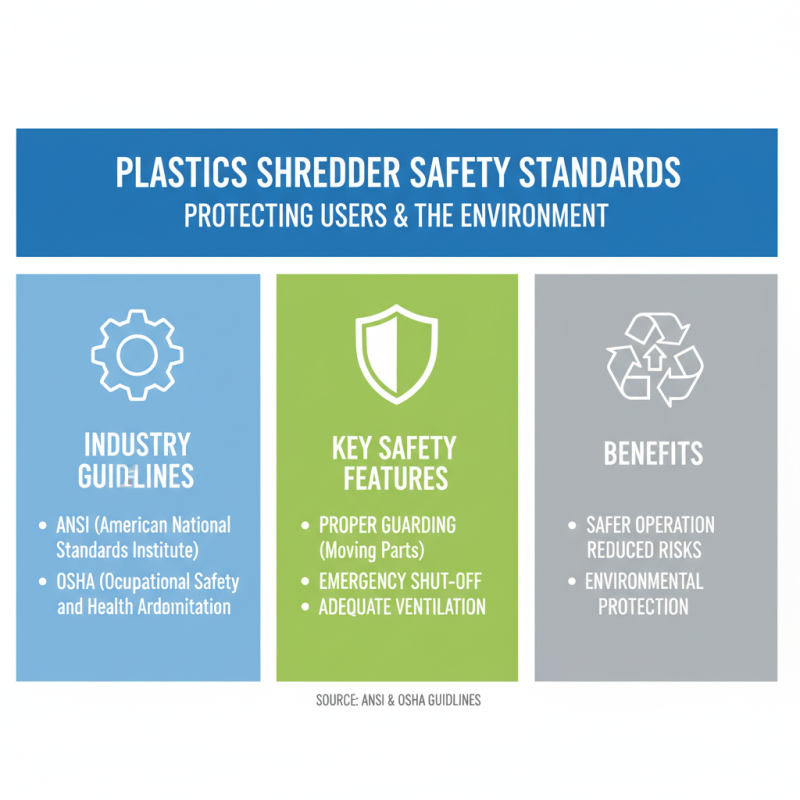
When selecting a plastic shredder machine for recycling, it is crucial to understand and adhere to industry standards and safety regulations. These guidelines are established to ensure the safe operation of shredders and to protect both users and the environment. Organizations such as the American National Standards Institute (ANSI) and the Occupational Safety and Health Administration (OSHA) provide frameworks that must be considered. For instance, proper guarding around moving parts, emergency shut-off features, and adequate ventilation systems are essential design elements that help minimize risks during operation.
Furthermore, operators should be trained on safety protocols to handle these machines efficiently. This includes understanding the potential hazards associated with shredder use, such as risks of entanglement or exposure to sharp blades. Employing personal protective equipment (PPE) like gloves, goggles, and ear protection is also recommended. Additionally, routine maintenance checks should be conducted to ensure that all safety mechanisms are functioning correctly, thereby prolonging the lifespan of the machine and safeguarding the recycling process. By prioritizing industry standards and implementing robust safety measures, users can optimize their plastic shredding operations while maintaining a safe working environment.