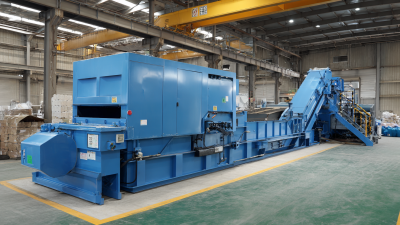
Why Choose a Slow Edge Crusher for Your Manufacturing Needs?
In the competitive world of manufacturing, choosing the right machinery is crucial. A Slow Edge Crusher stands out for its efficiency and precision. Industry expert John Smith, a veteran in material processing, emphasizes, "The Slow Edge Crusher transforms raw materials with unmatched quality."
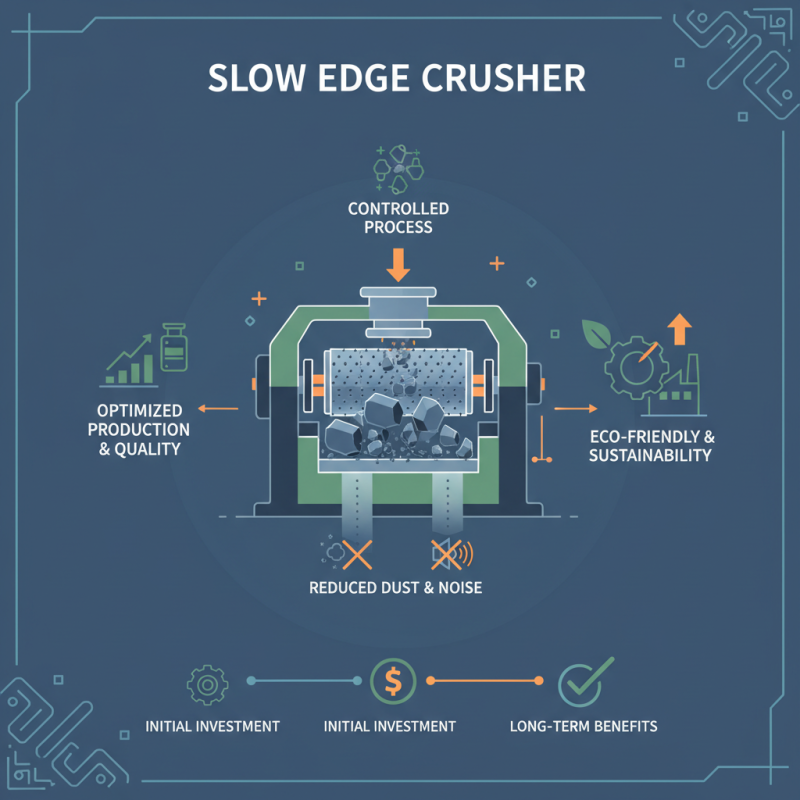
These crushers prioritize a controlled and gradual crushing process. This method reduces dust and noise, enhancing workplace safety. With the increasing focus on eco-friendliness, businesses look for machines that align with these values. A Slow Edge Crusher provides that balance, delivering superior results while minimizing environmental impact.
Manufacturers face challenges in selecting the right equipment. Some may overlook the importance of a slow crushing rate. However, investing in a Slow Edge Crusher can pay off in the long run. It not only optimizes production but also aligns with modern manufacturing demands. This choice reflects a commitment to quality and sustainability.
Understanding the Basics of Slow Edge Crushers in Manufacturing
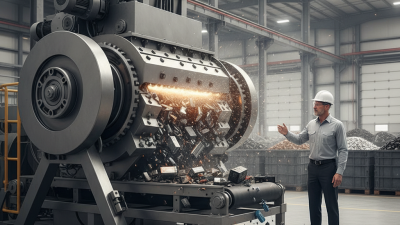
Slow edge crushers play a crucial role in manufacturing. They excel in their ability to handle a variety of materials effectively. These machines apply a gentle yet steady force, making them ideal for brittle or tough substances. This slow process minimizes wear and tear on the equipment.
Understanding the function of slow edge crushers is essential. They can easily manage different sizes and shapes of materials. You may find them useful for recycling, reducing waste, or preparing raw materials. Their design provides better control over the output, contributing to safer operations.
One common misconception is that slower speeds equate to lower productivity. However, the efficiency of slow edge crushers often leads to higher quality end products. Not every industry engages with this technology, and some may overlook the benefits. It's worth reflecting on your manufacturing needs, as integrating slow edge crushers might enhance your operations.
Key Advantages of Slow Edge Crushers Over Traditional Crushers
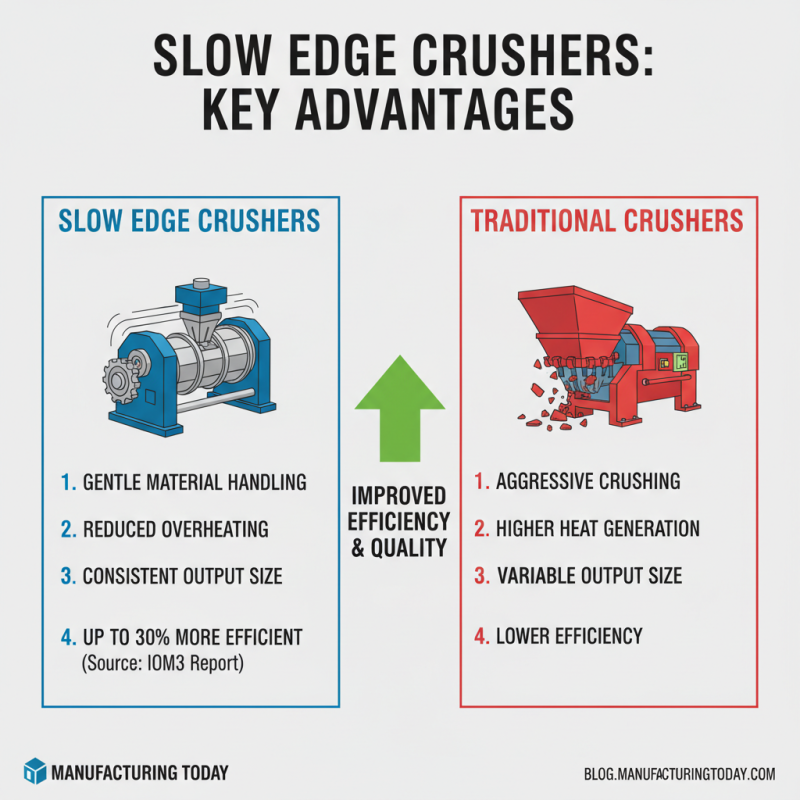
When considering manufacturing needs, the choice between slow edge crushers and traditional crushers can significantly impact efficiency. Slow edge crushers operate at lower speeds, allowing them to handle materials gently. This reduces the risk of overheating and ensures a more consistent output size. A recent industry report from the Institute of Materials, Minerals and Mining indicates that slow edge crushers can increase production efficiency by up to 30%.
Another advantage is the reduced energy consumption. Unlike traditional crushers, which can draw excessive power, slow edge crushers typically use 20-40% less energy. This leads to lower operational costs and a smaller environmental footprint. Additionally, slower speed minimizes wear on components, potentially extending the lifespan of the equipment and reducing maintenance needs.
Tip: Regularly monitor your equipment’s performance to identify any signs of wear early. This can save costs in the long run.
Also, consider the variety of materials being processed. Slow edge crushers can handle a diverse range, from soft plastics to hard metals. However, they may not be suitable for all applications, particularly where speed is critical. Evaluate your specific needs and processes before making a decision. Optimizing your choice can lead to improved productivity and sustainability in your manufacturing operations.
Ideal Applications for Slow Edge Crushers in Various Industries
Slow edge crushers are becoming increasingly popular in various industrial applications.
They are particularly effective for processing materials that require gentle handling.
This makes them ideal for industries like recycling, where delicate items are at risk of damage during crushing.
The slow speed minimizes wear and tear on both the machine and the materials, ensuring a more stable and reliable operation.
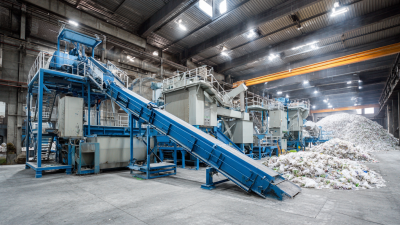
In the recycling sector, these crushers excel at handling bulky waste, like wood and plastic.
This equipment breaks down material without causing excessive fragmentation. In the mining industry, slow edge crushers can process ores that need precise handling, avoiding unnecessary losses.
Tips: Maintain your slow edge crusher regularly.
Check for wear on components to ensure efficiency. Using quality materials for repairs can prolong the machine's lifespan.
These crushers also find their place in agriculture, processing organic waste for composting.
The gentle crushing action helps in retaining nutrients within the material, resulting in richer compost.
Each application has its own set of challenges, so knowing when a slow edge crusher is the right choice requires careful assessment.
Factors to Consider When Choosing a Slow Edge Crusher
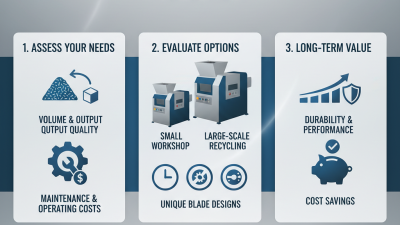
When selecting a slow edge crusher, several key factors should be considered. Understanding your material type is crucial. Slow edge crushers work best with tougher materials. They produce a finer output, making them ideal for manufacturing processes that require precision. The variation in material properties can affect the machine's performance.
Another important aspect is the production capacity you need. Determine how much material you will process daily. A slow edge crusher can handle large volumes but at a slower rate. This aspect can lead to production delays. It's essential to balance capacity with your operational efficiency.
Maintenance is a significant detail to ponder. Slow edge crushers need regular upkeep. You must assess the ease of maintenance in your decision. Parts should be accessible, and replacement should be straightforward. Frequent breakdowns can hinder productivity. Investing in a machine with higher reliability could save costs over time. Be prepared to reflect on these considerations to make a suitable choice.
Maintenance and Operational Efficiency of Slow Edge Crushers
Slow edge crushers are increasingly favored for their maintenance and operational efficiency. These machines operate at lower speeds, which leads to reduced wear and tear. As a result, the lifespan of the equipment is extended. Regular maintenance is simpler. Operators can access parts easily, reducing downtime. This an advantage for busy manufacturing facilities.
Cost efficiency is another important factor. Although slow edge crushers may have a higher initial cost, their durability offsets that expense over time. Fewer repairs are necessary, saving both time and money. This long-term investment can be crucial for manufacturers looking to improve their bottom line.
However, choosing the right machine isn't just about efficiency. There are potential limitations. Slow-edge crushers might not be suitable for every type of material. Each operation has unique challenges. Evaluating the specific needs of the manufacturing process is vital. Sometimes, a combination of machinery may be more effective. Understanding these nuances is essential for making informed decisions.
Efficiency Comparison of Slow Edge Crushers vs. Traditional Crushers
This bar chart illustrates the comparison between Slow Edge Crushers and Traditional Crushers in terms of maintenance frequency, operational efficiency, and energy consumption. The data indicates that Slow Edge Crushers require less maintenance, offer higher efficiency, and consume less energy compared to their traditional counterparts.