Why Choose a Rubber Tire Shredder for Your Recycling Needs?
Recycling is more crucial than ever in today's environment. A Rubber Tire Shredder stands out as an essential tool in this process. It efficiently breaks down used tires into small pieces, which can be repurposed for various applications. The growing demand for sustainable practices makes tire recycling not just beneficial but necessary.
Many businesses struggle with waste management. Old tires accumulate and create environmental hazards. By using a Rubber Tire Shredder, companies can turn this problem into an opportunity. The shredded rubber finds new life in playgrounds, roads, and more. This shift not only reduces waste but also contributes positively to the economy.
Choosing a Rubber Tire Shredder is a smart investment. It requires expertise to select the right model for your needs. Not every shredder is equal; some may not meet your volume requirements. Consider factors like speed, power, and durability. Reflecting on these points can lead to better decision-making for your recycling efforts.
Understanding the Functionality of Rubber Tire Shredders
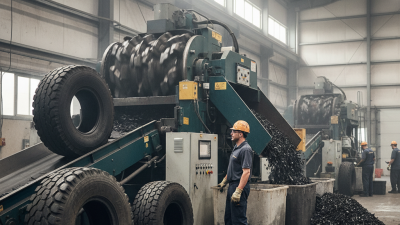
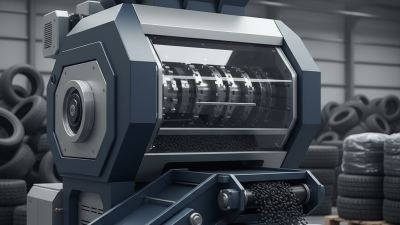
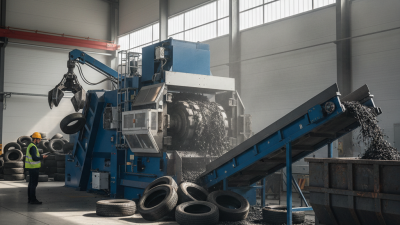
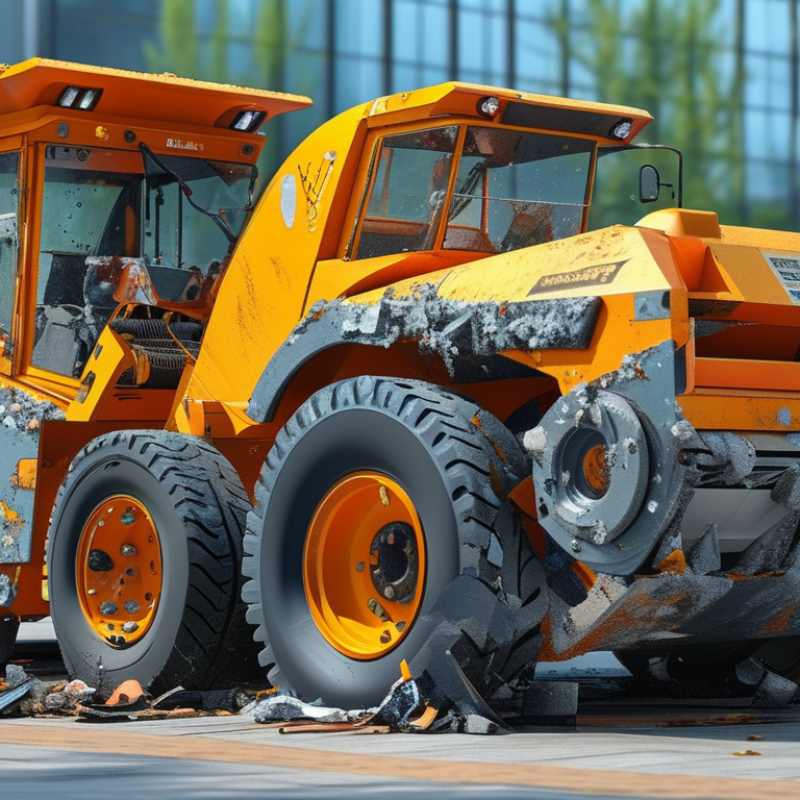
Rubber tire shredders play a critical role in recycling processes. These machines break down tires into smaller pieces, making them easier to manage. The functionality of rubber tire shredders lies in their robust design, enabling them to handle tough materials. They use sharp blades that can slice through rubber with precision.
When tires are shredded, they can be repurposed for various applications. Shredded rubber is often used in asphalt, playground surfaces, and even in the production of new rubber products. This not only promotes recycling but also conserves natural resources. However, the shredding process requires regular maintenance and thoughtful operation. Operators must ensure that the machinery functions efficiently to prevent breakdowns.
While rubber tire shredders are effective, they are not without challenges. Waste management facilities must keep up with safety regulations. Additionally, operators need ongoing training to handle the machinery properly. Understanding these aspects enhances the overall recycling process and ensures a sustainable future for rubber waste management.
Benefits of Using Rubber Tire Shredders in Recycling Processes
Rubber tire shredders play a vital role in recycling processes, transforming waste tires into reusable materials. The primary benefit of these machines is their ability to reduce tires into smaller, manageable pieces. This process not only optimizes space but also enhances the efficiency of subsequent recycling steps. Shredded rubber can be repurposed in various applications, such as playground surfaces, asphalt production, or even as fuel in some manufacturing processes.
When considering the implementation of a rubber tire shredder, think about the size and capacity that fits your needs. Different shredders offer a range of throughput and materials handling. It's also essential to analyze your energy consumption, as efficient machinery can reduce overall operational costs. Regular maintenance of the shredder should not be overlooked, as it ensures longevity and reliability.
Pay attention to local regulations regarding the recycling of tires. Compliance is critical for a successful operation. Educating your team about safety procedures when operating these machines can prevent accidents. Experimenting with various tire types can help refine the shredding process and improve the quality of the end product.
Environmental Impact: Reducing Waste with Tire Shredding
The environmental impact of tire waste is alarming. According to the U.S. Environmental Protection Agency, approximately 300 million tires are discarded annually in the U.S. alone. These tires do not decompose easily, leading to landfills overflowing. They can take centuries to break down. This situation highlights the urgent need for effective recycling strategies.
Rubber tire shredders play a vital role in this process. Shredding tires transforms them into smaller pieces, enabling easier recycling. The shredded tire material can be used in various applications. For instance, it can be turned into rubber mulch, asphalt, or even new tires. Studies show that recycling one ton of tires removes about 2,500 pounds of waste from landfills. This has far-reaching implications for environmental health.
However, the tire recycling process should also address some concerns. Not all tire-derived products may achieve the same standards. For instance, the potential release of microplastics is an ongoing discussion in the industry. Thus, while shredding reduces waste, it is crucial to evaluate the environmental impact of secondary products. Failure to do so could negate some of the benefits of tire recycling.
Choosing the Right Type of Rubber Tire Shredder for Your Needs
When selecting a rubber tire shredder, it is crucial to consider the type that best suits your specific recycling needs. The market offers various shredders, each designed to handle different volumes and types of rubber. For instance, a high-capacity shredder is ideal for large-scale operations, processing thousands of tires per hour. Conversely, smaller models may be more suitable for limited projects, offering flexibility in size and output.
A study by the Tire Industry Association indicated that over 300 million tires reach the end of their lifecycle each year in the U.S. alone. This highlights the necessity of investing in shredders that can efficiently manage such waste. For organizations focused on sustainability, choosing a shredder that recycles tires into reusable materials is essential. Tools that allow for fine or coarse shredding may yield different markets for recycled material, from rubber mulch for landscaping to crumb rubber for sports surfaces.
Consider efficiency ratings and maintenance requirements when making your decision. High energy consumption can offset benefits. It's essential to evaluate not just immediate costs but also long-term operational expenses. Research shows that some shredders can be costly to maintain, affecting overall profitability. Thus, it’s vital to reflect on your recycling goals and operational capacity before making a final choice.
Maintenance and Operational Tips for Rubber Tire Shredders
Maintaining a rubber tire shredder involves several key practices that enhance both efficiency and longevity. Regular inspections of blades and screens are essential. Dull blades can lead to uneven shredding and increased wear on the machine. It's often overlooked, but a simple check-up can save costs in the long run. Make it a habit to clear out debris that gets stuck, as this can hinder performance.
Operational efficiency also hinges on proper feeding. Overloading the shredder can lead to blockages and mechanical strain. It's vital to maintain a consistent feed rate. Remember, slowing down during operation can sometimes result in a better shred. Rubbers can be tricky to deal with, and being mindful of their characteristics is crucial.
Operators should be trained adequately. A lack of experience can lead to careless mistakes, causing costly downtime. Keep a log of maintenance activities; this helps in tracking wear patterns and anticipating necessary replacements. Everyone tends to skip this, but having a structured approach yields clearer results. This ongoing attention can significantly improve both productivity and reliability.
Why Choose a Rubber Tire Shredder for Your Recycling Needs? - Maintenance and Operational Tips for Rubber Tire Shredders
| Dimension |
Description |
Tip |
| Machine Type |
Primary function and capabilities of the shredder. |
Choose a shredder based on your specific recycling requirements. |
| Maintenance Schedule |
Frequency of service checks and parts replacement. |
Regularly schedule maintenance to avoid costly downtime. |
| Safety Features |
In-built safety mechanisms to protect operators and the machine. |
Always use machinery with the latest safety features. |
| Power Requirements |
Electricity or diesel power consumption rates. |
Assess power needs to ensure efficient operation. |
| Output Size |
Common sizes of shredded material produced. |
Select a shredder that meets the specifications of your final product. |
| Material Compatibility |
Types of materials the shredder can process. |
Ensure compatibility with all materials you plan to recycle. |