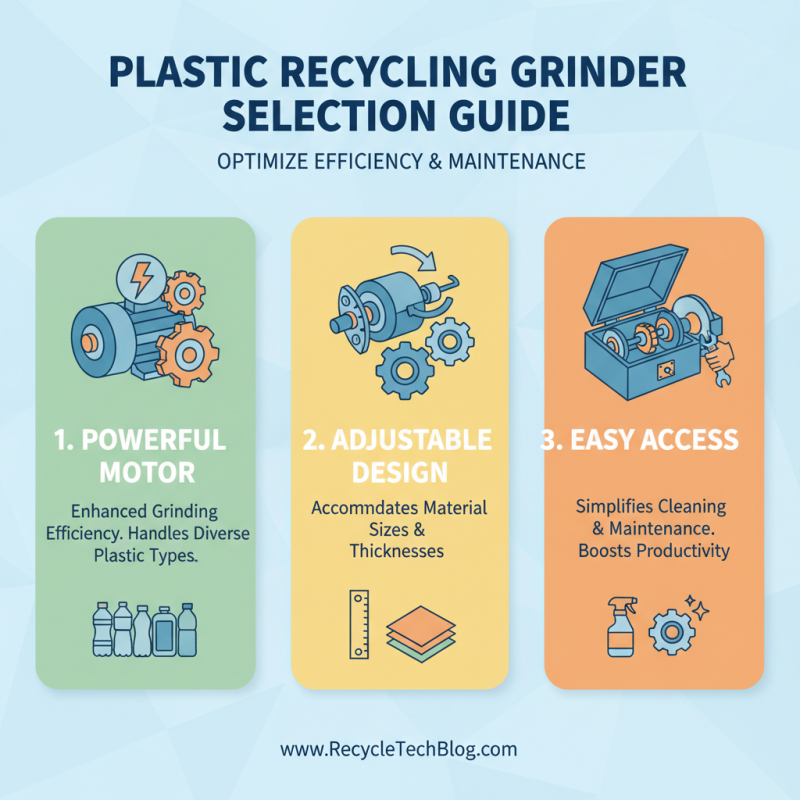
How to Choose the Best Plastic Recycling Grinder for Your Needs?
Choosing the right Plastic Recycling Grinder can be challenging. Many factors come into play, including size and throughput capacity. Renowned expert in recycling technology, Dr. Emily Chen, emphasizes, "Understanding your specific needs is crucial for optimal grinder selection."
A well-suited grinder can enhance your recycling process. Incorrect choices can lead to inefficiencies and increased operational costs. Consider the material types you will process. A good grinder must handle various plastics effectively.
It's not always easy to identify the best option. You may face dilemmas between budget constraints and quality. A common mistake is underestimating the importance of maintenance and support. Invest time in researching models and manufacturers. Reach out to industry professionals for tailored advice on your Plastic Recycling Grinder needs.
Understanding the Importance of Plastic Recycling Grinders in Waste Management
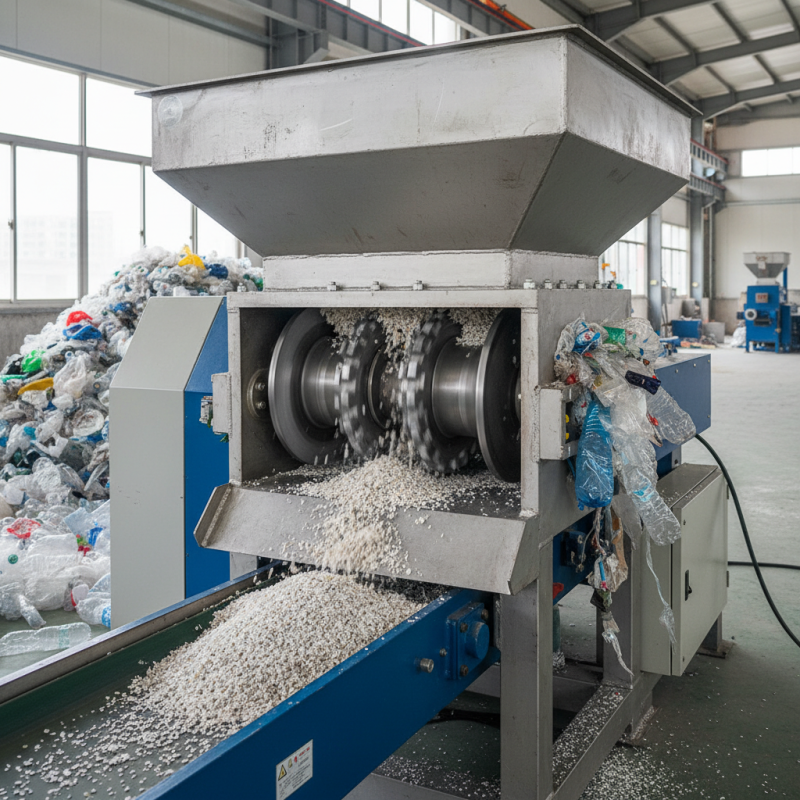
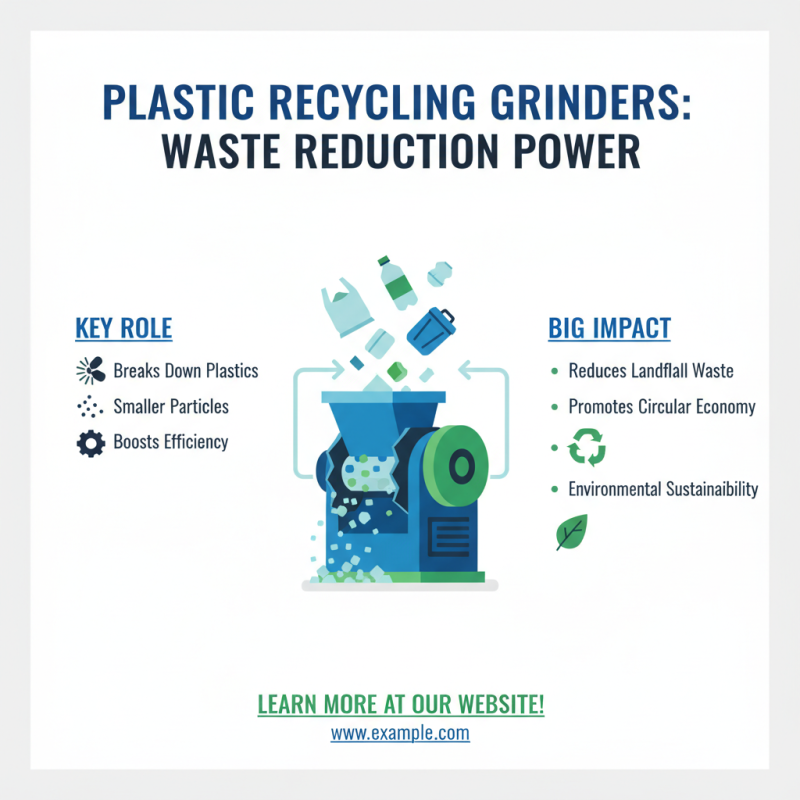
Plastic recycling grinders play a crucial role in effective waste management. They help break down plastic materials into smaller particles. This process makes recycling more efficient and practical. By reducing plastic waste, these grinders contribute to environmental sustainability. However, many people overlook their importance.
When choosing a grinder, consider your specific needs. Evaluate the types of plastic materials you will work with. Different grinders handle different plastics. This may impact the quality of recycled material. Don't rush the decision. Research various options available in the market.
Tips: Always check for energy efficiency. A grinder that consumes less power can save costs. Also, consider the maintenance requirements. A complex machine may lead to higher operational costs. Selecting a grinder that balances power and simplicity is key. Remember, a well-chosen grinder can transform plastic waste into valuable resources.
Analyzing the Different Types of Plastic Grinders and Their Applications
When selecting a plastic recycling grinder, understanding the different types is crucial.
Shredders, for example, are best for reducing large plastic pieces. They chop materials down to manageable sizes. These machines can handle various plastics but may struggle with thicker materials. Be mindful of their limitations when processing specific types.
Granulators are another option, often used for smaller, more uniform particles. They excel at producing consistent sizes for recycling. However, they might not be as effective for tougher, mixed materials. Checking the grinder's specifications can help ensure it meets your requirements.
Don't overlook the importance of maintenance and care in extending equipment life.
Lastly, consider multifaceted grinders that can serve various purposes. While versatile, they may not excel in any one area. This means evaluating your specific needs is vital. Think about the types of plastic you will process regularly. A grinder's ability to adapt might save you money and time. Balancing these aspects will significantly influence your choice.
Evaluating Grinder Capacity and Material Compatibility for Optimal Efficiency
When choosing a plastic recycling grinder, it's crucial to evaluate its capacity and material compatibility. A grinder’s capacity directly influences your operational efficiency. If it’s too small, the processing time might increase, leading to inefficiencies. Conversely, an oversized grinder can consume more energy than needed, resulting in higher costs.
Material compatibility is another key factor. Not all grinders can handle every type of plastic. It's essential to match the grinder's specifications with the materials you plan to recycle. For instance, grinding harder plastics requires more robust machinery. If you mix different types of plastics without checking compatibility, it can result in poor recycling outcomes.
Consider the size of the input feed and the desired output. Sometimes, the output isn’t as fine as expected. This can lead to challenges in further processing or resale. Review the feedback from other users. Their experiences can provide insights into what works and what doesn’t. It's worth exploring and reflecting on these details to ensure you choose a grinder that meets your specific recycling needs.
Plastic Recycling Grinder Capacity and Material Compatibility
This chart illustrates the optimal grinder capacity and material compatibility for efficient plastic recycling. The data represents various types of plastics, their respective capacities, and their suitability for recycling.
Cost-Benefit Analysis: Investing in the Right Plastic Recycling Grinder
When considering a plastic recycling grinder, a cost-benefit analysis is essential. A quality machine can significantly streamline your recycling process. According to the Plastics Industry Association, recycling can save up to 80% of energy compared to producing new plastic. However, a high upfront cost may make some hesitate. Weighing long-term savings against initial investments is crucial.
Investing in the right grinder affects operational efficiency. A study by Grand View Research noted that efficient recycling equipment can increase output by over 50%. This improvement can translate into substantial revenue if your operations scale up. Consider the features that matter most to you—like size, capacity, and ease of maintenance. These factors often determine how effectively a machine performs in real-world settings.
Tips: Always request performance data. This documentation can provide insights into a grinder's reliability. Check reviews, but remember they may not cover every experience. Pay attention to the warranty as it reflects the manufacturer's confidence. If possible, speak with current users about their struggles. Such conversations often reveal hidden costs or benefits not found in performance metrics. Always reflect on your specific requirements before making a decision.
How to Choose the Best Plastic Recycling Grinder for Your Needs? - Cost-Benefit Analysis: Investing in the Right Plastic Recycling Grinder
| Feature |
High-End Model |
Mid-Range Model |
Budget Model |
| Motor Power (HP) |
10-15 |
7-10 |
3-5 |
| Processing Capacity (lbs/hr) |
300-500 |
150-300 |
50-100 |
| Grinder Type |
Shredder |
Granulator |
Crusher |
| Noise Level (dB) |
75-85 |
70-80 |
60-70 |
| Price Range (USD) |
$10,000 - $20,000 |
$5,000 - $10,000 |
$1,000 - $5,000 |
| Energy Efficiency Rating |
A+ |
B |
C |