How to Choose the Best Scrap Battery Shredder for Your Needs?
Choosing the right Scrap Battery Shredder is crucial for efficient recycling and waste management. Industry expert Dr. Emily Carter, a leading authority in waste processing technology, emphasizes, "Selecting the appropriate shredder can significantly affect both safety and profitability."
As the demand for recycling scrap batteries grows, the need for effective shredding solutions intensifies. A well-chosen Scrap Battery Shredder minimizes environmental risks while maximizing resource recovery. Different models offer varying capabilities, making it essential to assess specific needs carefully.
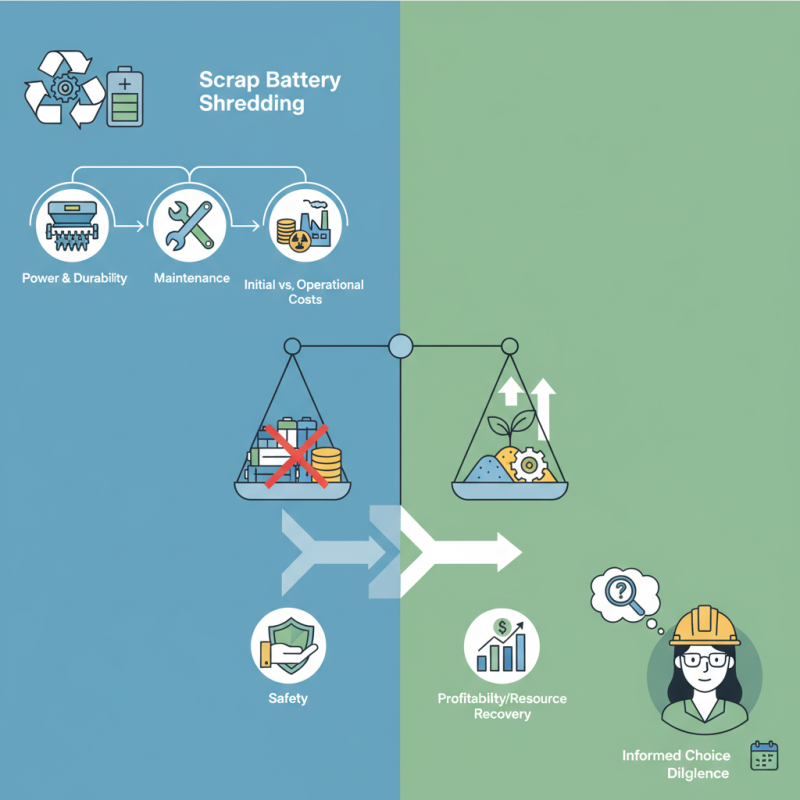
Consider aspects such as the shredder's power, durability, and maintenance requirements. These factors influence efficiency and long-term costs. Finding the right balance is key; however, some users may overlook maintenance schedules. Balancing initial investment with ongoing operational costs can be challenging for many businesses. Making an informed choice requires patience and diligence.
Understanding the Types of Scrap Battery Shredders Available
When selecting a scrap battery shredder, it's crucial to understand the different types available. There are typically two main categories: granulator-style shredders and heavy-duty industrial shredders. Granulator-style shredders are designed for smaller operations. They are efficient and cost-effective, often preferred by businesses handling lower volumes of batteries. These machines can process batteries into smaller pieces, making recycling easier.
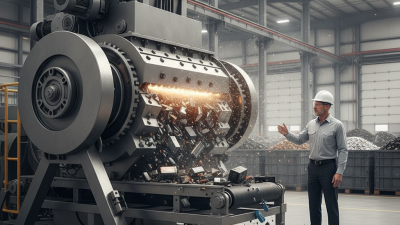
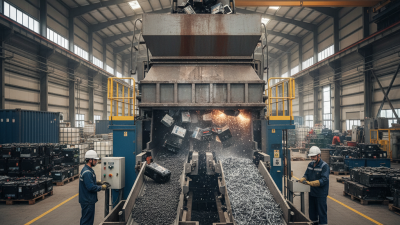
On the other hand, heavy-duty industrial shredders are suitable for larger operations. They are built to handle maximum capacity and can shred many batteries simultaneously. These machines often come with advanced features like multiple shredding stages and enhanced safety measures. However, they also require more maintenance and a higher initial investment. Choosing the right type depends on your processing needs and operational scale.
Consider the materials you will be shredding. Not all shredders can handle lithium-ion batteries effectively. Some shredders may struggle with thicker casings or metal components. It's essential to assess your specific requirements and future needs. Reflecting on these factors will help you make a more informed choice. Balancing efficiency and safety should be at the forefront of your decision-making process.
How to Choose the Best Scrap Battery Shredder for Your Needs?
| Type of Shredder |
Suitable Battery Types |
Capacity (kg/h) |
Power Requirement (kW) |
Price Range ($) |
| Single-Shaft Shredder |
Lead-Acid Batteries |
500 |
15 |
5000 - 10000 |
| Dual-Shaft Shredder |
Lithium-Ion Batteries |
800 |
22 |
8000 - 15000 |
| Hammer Mill Shredder |
Nickel-Cadmium Batteries |
1000 |
30 |
10000 - 20000 |
| Granulator |
Alkaline Batteries |
300 |
10 |
4000 - 7000 |
Evaluating Key Features for Effective Battery Shredding
When selecting the right scrap battery shredder, evaluating key features is crucial. Battery shredders must effectively handle various battery types, including lithium-ion and lead-acid. The capacity of the shredder matters significantly; choose one that meets your production needs. Industry reports indicate that the demand for battery recycling solutions has surged by over 20% annually. This highlights the importance of efficient shredding processes.
Consider the shredder's blade design. High-quality blades ensure effective shredding and reduce operational downtime. Reports suggest that shredders with robust blade systems increase throughput by up to 30%. A dependable power source also plays a vital role. Electric options can offer lower operational costs relative to fossil fuel systems.
Tip: Always assess the maintenance requirements of any shredder. Maintenance can affect reliability and efficiency. A shredder that requires frequent repairs can incur hidden costs.
Another feature to evaluate is safety. Battery materials can be hazardous. A shredder should have built-in safety measures to protect operators. Compliance with industry safety standards is non-negotiable.
Tip: Invest in training for operators. Proper training ensures the equipment is used safely and efficiently. An informed workforce is your best asset.
Assessing Capacity and Efficiency for Your Operations
When selecting a scrap battery shredder, assessing its capacity and efficiency is crucial for your operations. A shredder with insufficient capacity can lead to bottlenecks. According to industry analysis, optimal capacity should match your processing volume. For example, a facility handling 5 tons of batteries daily needs a shredder with at least a 2-ton per hour capacity.
Efficiency also plays a significant role. A shredder with high throughput can reduce operational costs. Studies indicate that machines with energy recovery systems can save up to 30% on power consumption. However, not all models offer this feature. It’s essential to compare specifications and reviews. Look for machines that balance shredding speed and energy efficiency.
Regular maintenance can impact long-term efficiency, as neglected machines may struggle with performance. Establishing a routine can help prevent costly downtimes. Consider the material quality produced by your chosen shredder. Poorly shredded materials can affect the downstream recycling process, leading to lower recovery rates. Evaluating the shredder's overall performance is vital for sustainable operations.
How to Choose the Best Scrap Battery Shredder for Your Needs?
Considering Safety Features in Battery Shredder Selection
When selecting a battery shredder, safety features are paramount. You should always prioritize machines that offer robust safety mechanisms. Look for features such as
emergency stop buttons and covers that prevent exposure to sharp blades. These elements can significantly decrease the risk of accidents in a busy workspace.
Understanding the design of the shredder is crucial. Is it built to withstand high-voltage batteries? Machines with fire-resistant materials are essential. Make sure to assess the feed mechanisms as well.
Automatic feeders help in minimizing human interaction with the shredder, which reduces potential injuries.
Tips to consider: always assess the shredder’s maintenance requirements. A machine that requires frequent repairs can pose safety risks.
Train your team on emergency procedures to enhance workplace safety. Regularly inspect safety features to ensure they function as intended. Remember, well-trained operators are the backbone of any safe shredding operation.
Analyzing Budget and Maintenance Costs for Longevity
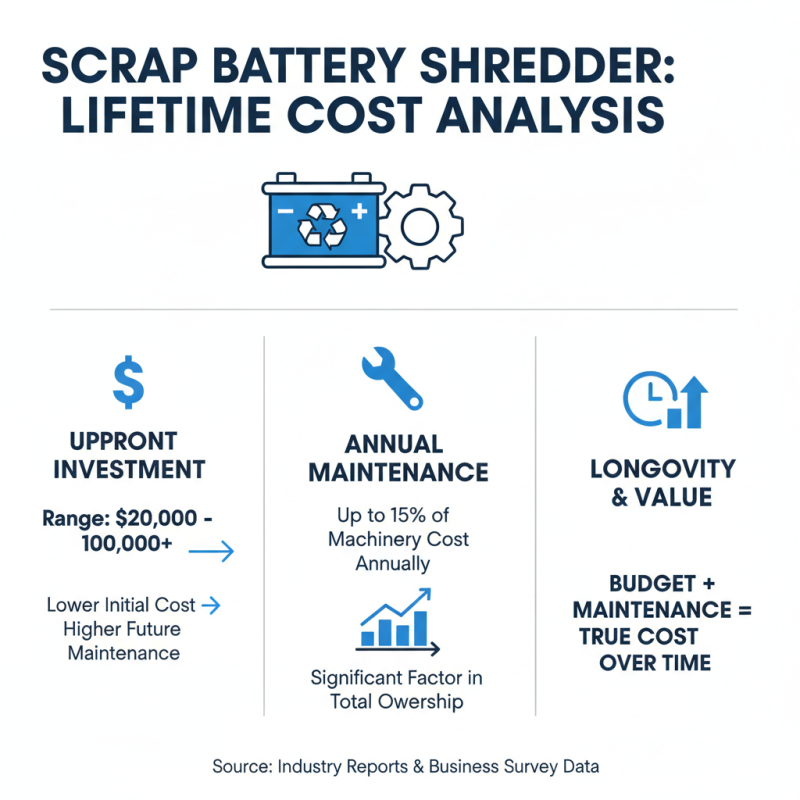
When choosing a scrap battery shredder, budget and maintenance costs are crucial. Industry reports indicate that the lifetime cost of owning a shredder can vary significantly. A shredder can range from $20,000 to over $100,000. However, lower upfront costs can lead to higher maintenance expenses. According to a recent survey, businesses report spending up to 15% of their machinery costs annually on maintenance.
Maintenance can include regular inspections, parts replacements, and even unexpected repairs. The lifespan of a shredder typically ranges from 10 to 15 years, depending on usage. Shredders that are not maintained can experience performance decline, leading to inefficiencies. This could waste more money over time. It is essential to anticipate these costs and allocate a maintenance budget.
Opting for a shredder with easy access to parts can minimize downtime. Some shredders have modular designs, allowing quick component replacements. Still, ongoing costs can add up. Therefore, it’s vital to weigh the initial costs against long-term financial commitments. Balancing these factors ensures a strategic investment.