How to Choose the Best Tire Crushing Machine for Your Business?
Choosing the right Tire Crushing Machine can significantly impact your business. According to industry expert Mark Johnson, "Investing in the right equipment is crucial for maximizing output." His insights highlight the importance of aligning machinery with business goals.
When selecting a Tire Crushing Machine, consider both efficiency and reliability. It’s essential to assess the machine's processing capacity and its durability. Look for equipment that not only meets your current needs but can adapt to future demands.
Many businesses overlook the importance of after-sales support. Quality machines require regular maintenance and assistance. Choosing a supplier with strong technical support can save time and money. Reflecting on your needs can lead to better options in this competitive market.
Understanding the Types of Tire Crushing Machines Available in the Market
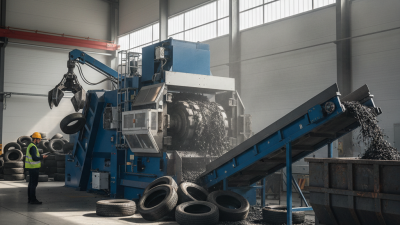
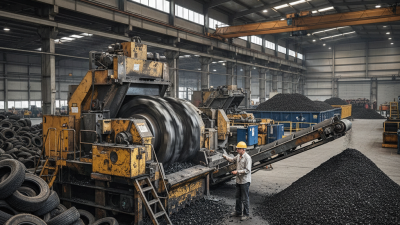
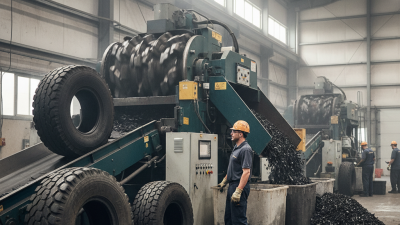
When selecting a tire crushing machine, understanding the various types available is crucial. There are mainly two categories: stationary and mobile machines. Stationary machines are ideal for facilities with ample space and require a fixed setup. They typically offer higher output and durability. Mobile machines, on the other hand, provide flexibility. They can be transported easily and are suitable for on-site processing.
In addition, it’s important to consider the capacity and features of each machine. Some machines can handle larger tire sizes, while others may focus on efficiency in processing smaller tires. Features such as automation and safety mechanisms can significantly affect operational reliability. Researching these aspects will help in making an informed decision.
Moreover, pay attention to the technology used in these machines. Some advanced models use innovative methods to enhance efficiency. However, these may come with higher costs or require more maintenance. Evaluating the trade-offs between technology, cost, and reliability is essential. Reflecting on these factors will guide you to the best tire crushing machine for your business needs.
Evaluating Key Features to Consider When Choosing a Tire Crusher
When selecting a tire crushing machine, it’s crucial to evaluate its key features. Look for machines with strong and durable construction. The material used in the build impacts its longevity and performance. A robust design can withstand wear and tear during heavy usage, which is vital if your business relies on efficiency.
Another important aspect is the machine’s processing capacity. Different machines handle varying amounts of tires per hour. Depending on your workload, you may need a high-capacity model. Assess how quickly the machine can crush tires. Slow performance can lead to bottlenecks in your operations.
Efficiency also involves energy consumption. Machines that require less energy can help lower operational costs. However, it’s essential to balance energy efficiency with crushing power. Finding the right model might take some time and reflection. Not every machine will fit your needs perfectly. Testing different options could provide valuable insights into what works best for your specific business.
Assessing Your Business Needs for Tire Crushing Capacity and Size
When considering tire crushing capacity, it's essential to define your specific business needs. Assess how many tires you plan to process daily. This volume directly influences the size and type of machine you'll require. A small-scale operation may only need a compact model, while a larger facility demands a more robust solution. Think about the space available in your facility. Can your layout accommodate larger machinery? If not, that might limit your options.
The size of the tires you're working with matters too. Different machines handle different tire sizes. If you're processing heavy-duty tires, ensure the machine can manage their weight and size. Factor in the output quality as well. Higher quality output may require specific machinery. But, more advanced machines often come with higher costs. Reflect on whether the investment aligns with your business goals.
Maintenance needs should also enter the discussion. Some machines require frequent upkeep, while others are more self-sufficient. Analyze how much time and resources you can allocate for this purpose. Hiring skilled technicians can add to your costs. Be prepared to revisit your options if your initial choice doesn’t meet expectations. Balancing capacity, size, and budget can be challenging, but careful reflection leads to better decisions.
Analyzing Budget Constraints and Return on Investment for Equipment
When analyzing budget constraints for a tire crushing machine, it’s vital to consider the total cost of ownership. This includes initial purchase costs, maintenance, and operational expenses. A cheaper machine might seem attractive, but hidden costs can accumulate quickly. Regular maintenance and repair can impact profitability.
Return on investment (ROI) is another crucial aspect. Assess the potential revenue generated from processed tires against costs. A well-performing machine should pay for itself over time. However, achieving this may require careful planning and realistic projections. Contemplate the market demand for recycled materials. If demand fluctuates, it can affect your return.
Evaluating financing options is equally important. Consider leasing as an alternative to outright purchase. This can help reduce initial cash outlay and spread costs over time. However, rental agreements might come with restrictions on usage. Weighing these factors ensures a more informed decision. Be prepared for unexpected challenges, as every business venture carries risks.
Researching Manufacturer Reputation and After-Sales Support Options
When selecting a tire crushing machine, assessing the manufacturer’s reputation and after-sales support is crucial. A reliable manufacturer is usually backed by positive customer reviews. Research online forums and industry publications for firsthand accounts. Check for case studies or testimonials detailing long-term usage. These insights can provide a clearer picture of performance and reliability.
After-sales support is equally important. A good manufacturer provides technical assistance and maintenance services. Look for warranties that reflect a commitment to quality. Ask about the availability of spare parts. A manufacturer that ensures timely support can help mitigate downtime. Some companies might lack in these areas, which can lead to frustration later.
Consider engaging in discussions with existing customers. Their experiences can reveal strengths and weaknesses that may be overlooked in official materials. Remember, the best choice goes beyond price; it encompasses trust in the manufacturer's commitment to support and service. Being informed can lead to more sustainable business decisions.
How to Choose the Best Tire Crushing Machine for Your Business
The following bar chart represents the key factors for evaluating tire crushing machine manufacturers based on research and customer feedback. The data encompasses manufacturer reputation, after-sales support, pricing, and technology innovation.