How to Choose the Best Domestic Refuse Crusher for Your Home?
Choosing the right Domestic Refuse Crusher is essential for effective waste management in your home. Many options exist, each with unique features. You want a model that fits your lifestyle and needs.
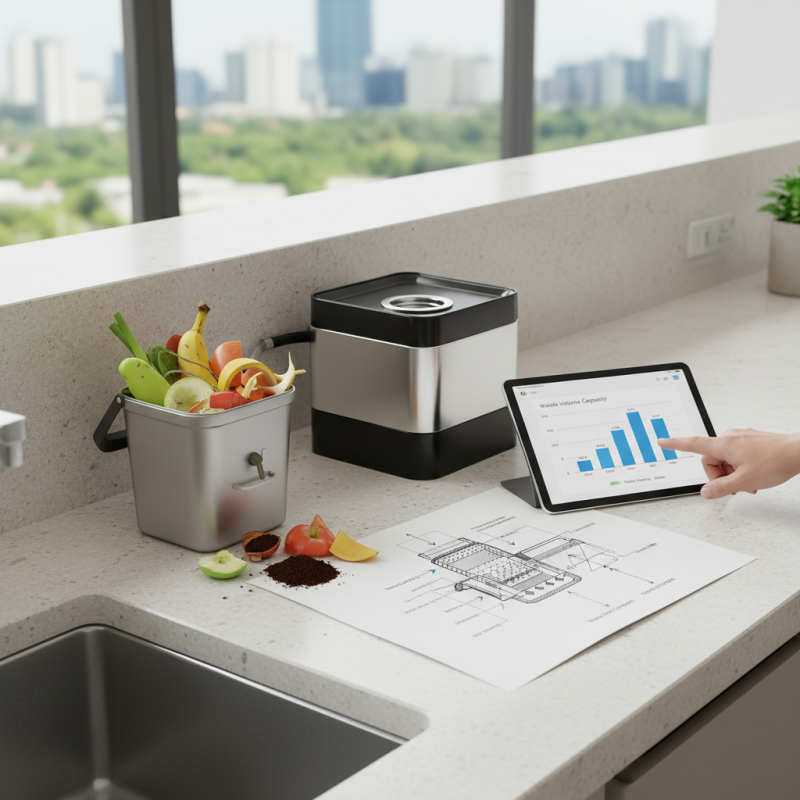
Start by considering your kitchen waste volume. Families generate more refuse than singles. A more powerful Domestic Refuse Crusher can handle more waste, but it might take up extra space. Look for compact models if you're short on room.
Also, think about noise levels. Some crushers operate quietly, while others make significant noise. If you have small children or live in an apartment, this matters. Remember to check reviews and reliability. Sometimes, a low-priced model can lead to frustration. Be cautious about impulse purchases. It’s better to take your time and pick wisely.
Understanding the Importance of a Domestic Refuse Crusher
When considering a domestic refuse crusher, understanding its importance is crucial. These devices effectively manage waste, reducing the clutter in your kitchen. By grinding up food scraps, they help minimize trash bag usage. This not only saves space but also time spent on weekly garbage disposal.
A refuse crusher contributes to a cleaner environment. Disposing of food waste in landfills generates methane, a potent greenhouse gas. By using a crusher, you can eliminate much of this waste at the source. However, it's essential to remember that misuse can lead to plumbing issues. Not every waste item should go into the crusher. Items like hard bones or fibrous vegetables can cause damage over time.
Efficiency is key to choosing the right model. Look for features that fit your needs. Noise level, size, and installation complexity are all vital. Though it seems straightforward, many overlook these factors. A little research can lead to a much better fit.
How to Choose the Best Domestic Refuse Crusher for Your Home?
| Feature |
Description |
Importance |
| Motor Power |
The strength of the motor determines the efficiency in crushing waste. |
Higher power results in faster and more efficient waste management. |
| Capacity |
The volume of waste the crusher can handle at once. |
Essential for households with large amounts of waste. |
| Noise Level |
Amount of noise produced during operation. |
Important for maintaining a peaceful home environment. |
| Safety Features |
Built-in features to prevent accidents during operation. |
Crucial for safe use in family households. |
| Design |
The aesthetics and usability of the crusher. |
Affects the integration of the appliance in the kitchen setup. |
| Price |
The cost of the refuse crusher. |
Determines affordability and value for the features offered. |
Key Features to Consider When Selecting a Refuse Crusher
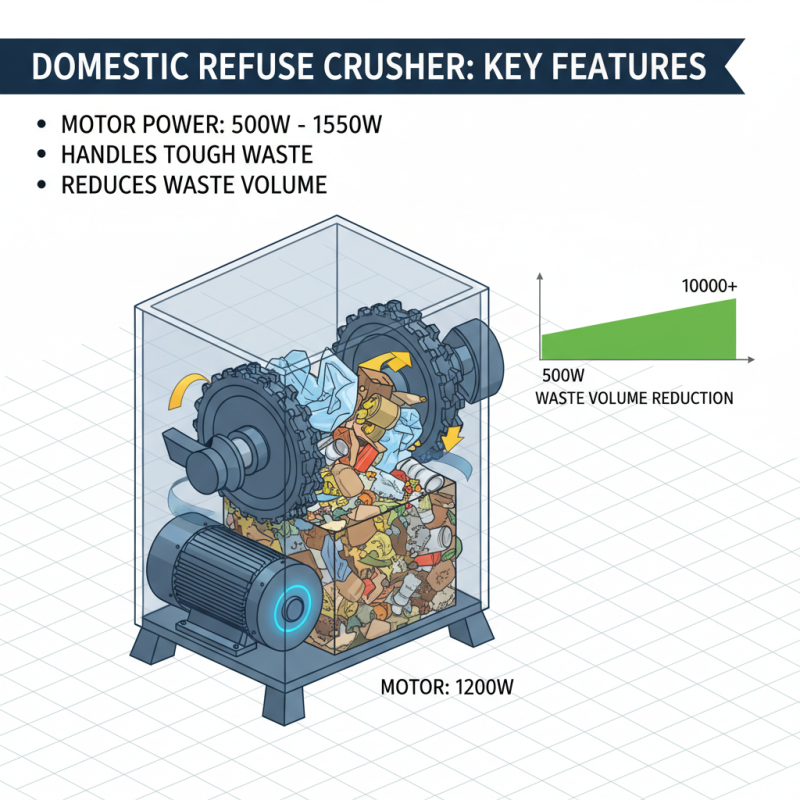
When selecting a domestic refuse crusher, several key features are crucial. First, consider the motor power. A powerful motor can handle tough waste more efficiently. Many optimal crushers have motors ranging from 500 to 1500 watts. A higher wattage means better performance. This data is supported by industry reports indicating that units with 1000 watts or more reduce waste volume significantly.
Next, examine the noise levels. Most refuse crushers operate at a sound range of 40 to 70 decibels. A quieter machine can make a significant difference in home environments. Experts suggest that machines below 60 decibels can improve user experience, especially in smaller homes. In contrast, louder models may disrupt daily routines.
Additionally, the grinding capacity is essential. Look for units that can handle a variety of food waste. Some machines can process up to half a pound of waste per minute. However, inconsistency in performance could lead to jamming. Regular maintenance is necessary to keep the crusher efficient. Poor design may lead to frequent repairs or replacements, which can be frustrating. Make sure to weigh the pros and cons carefully before making your choice.
Comparing Different Types of Domestic Refuse Crushers
Choosing a domestic refuse crusher can be challenging. Different types exist, each with unique features. Most models fall into two broad categories: under-sink and stand-alone units.
Under-sink crushers are compact. They fit neatly beneath your kitchen sink. They work quietly and are easy to use. However, they may struggle with tougher waste. Stand-alone models often handle larger loads. They can process tougher items, but they take up more space.
When selecting a model, consider your waste habits. If your household generates a lot of food scraps, a stronger unit might be necessary. Look for a model with strong grinding power. This ensures durability and longevity.
**Tip:** Always check the noise levels. Some models are surprisingly loud. A quiet option can make a big difference in comfort.
Another consideration is installation. Some units require professional help. Others are easy to install yourself. Read reviews for user experiences. This can help you avoid models that don’t meet expectations.
Evaluating Brand Reputation and Customer Reviews
When choosing a domestic refuse crusher, evaluating brand reputation is crucial. Many consumers rely heavily on online reviews before making purchases. A recent survey revealed that 85% of buyers trust online reviews as much as personal recommendations. This statistic highlights the importance of customer feedback in understanding the product's performance.
Customer reviews often reveal common issues faced by users. For instance, some crushers struggle with certain food types or tend to jam easily. A noticeable percentage of users mentioned durability concerns, which can affect long-term satisfaction. Reports suggest that almost 30% of homeowners experienced problems within the first year of use. This indicates a need for more thorough research before purchase.
Brand reputation also encompasses customer service quality. A study found that 70% of consumers consider support and warranty before buying. Poor customer service experiences often lead to frustration and negative reviews. Paying attention to these aspects can help ensure you select a refuse crusher that meets your household needs and stands the test of time.
How to Choose the Best Domestic Refuse Crusher for Your Home?
The chart above illustrates the customer ratings on various important features of domestic refuse crushers. These features include noise level, power consumption, ease of use, durability, and price. Evaluating these factors can help you make an informed decision when selecting a refuse crusher for your home.
Cost Factors and Budgeting for Your Refuse Crusher Purchase
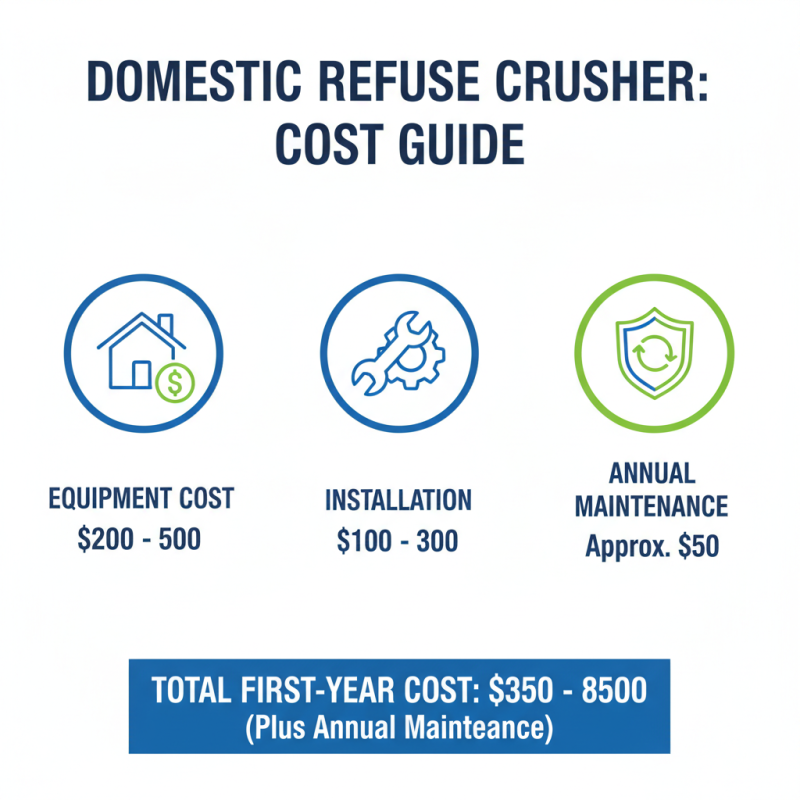
When considering a domestic refuse crusher, cost factors are crucial. A household model typically ranges from $200 to $500. Additional costs must be factored in, such as installation. Installation can add about $100 to $300. Regular maintenance is also essential. Expect to spend around $50 annually on servicing.
Reports indicate that the average lifespan of a refuse crusher is about 10 years. This means your total investment could be $700 to $1,200 over a decade. Budgeting effectively can alleviate financial stress. Prioritize quality, as cheaper models may require frequent repairs. They can end up costing you more in the long run.
Tips: Always check warranty options. A longer warranty often indicates better quality. Compare energy efficiency as well. Models with higher efficiency can save you significantly on utility bills. Don't forget to estimate the footprint of the unit. A larger unit means more space taken in your kitchen. Be realistic about your needs; sometimes, a smaller unit suffices.