How to Choose the Best Plastic Shredder Machine?
Choosing the best Plastic Shredder Machine is not simply a matter of selecting the largest motor. The correct choice depends on plastic type, feed size, moisture, contamination, required capacity, and final particle size. A rigid HDPE drum behaves differently from thin film, woven bags, or injection-moulding waste. Each material demands a different cutting chamber, rotor design, knife profile, and feeding method.
Tom Forrest, president of CM Shredders, offers a practical reminder: “The right shredder is selected by the material and the desired output, not by motor size alone.” This principle deserves attention. A powerful machine may still produce unstable results if its blades clog or its feed opening is too narrow. Small details matter. Watch the feed.
This guide examines the evidence behind each purchasing decision. It considers throughput in kilograms per hour, energy consumption, knife durability, cleaning access, noise control, and operator safety features. Manufacturer claims should be checked against test data, warranty terms, and service support. Ask for a material trial when possible. A sample run can reveal bridging, dust, heat buildup, or uneven discharge before installation.
There is no perfect machine for every facility. That assumption can lead to costly mistakes. A compact single-shaft unit may suit controlled production waste, while a dual-shaft system may handle bulky containers more effectively. The best Plastic Shredder Machine is the one that fits the complete workflow, not merely the sales brochure.
What Is a Plastic Shredder Machine and How Does It Work?
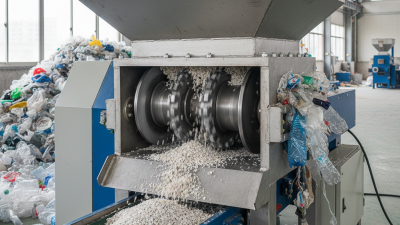
A plastic shredder machine reduces bulky plastic into controlled flakes for recycling and further processing. Its hopper guides material into a cutting chamber. A slow, high-torque motor turns a rotor fitted with hardened knives. Fixed knives shear the plastic against the rotor. A screen controls the final particle size. Oversized pieces remain inside until they are small enough to pass through.
The machine is not a magic box. Material type matters. Film, rigid containers, pipes, and contaminated production scrap behave differently. The OECD Global Plastics Outlook reported 353 million tonnes of plastic waste in 2019, while only 9% was recycled. This gap increases the need for stable size reduction, but capacity claims require careful testing. A larger rotor is not automatically better. It may consume more energy and create uneven output.
When choosing equipment, compare tested throughput, knife geometry, screen size, motor torque, noise, and access for cleaning. Ask for trials using your actual plastic. In practical operations, wet or metal-contaminated feed can stop a line quickly. Safety interlocks and overload protection are essential. The International Energy Agency notes that industrial energy efficiency depends strongly on equipment operation and system design. That detail is easy to overlook. A machine may look efficient on paper, yet perform poorly with irregular feeding, worn knives, or an unsuitable screen.
Which Types of Plastic Shredders Match Different Materials?
Material decides the machine. According to the OECD’s Global Plastics Outlook, the world generated 353 million tonnes of plastic waste in 2019. That volume includes very different feedstocks, so one universal shredder is rarely a sound purchase. Start with shape, hardness, moisture, and contamination. Not just polymer type.
Rigid items, such as crates, drums, and thick pipes, usually suit a slow-speed double-shaft shredder. Its strong torque handles bulky pieces and reduces bridging inside the chamber. A single-shaft machine with a hydraulic pusher can process larger rigid parts more consistently. However, poorly adjusted pressure may increase energy use and knife wear.
Film, woven sacks, and stretch wrap need a different approach. Their flexible surfaces can wrap around a rotor, especially when damp. A low-speed single-shaft design with anti-wrapping protection is often more practical. Clean PET bottles may need pre-cutting before granulation, while dirty agricultural film may require screening and washing later. According to UNEP’s Turning off the Tap report, around 430 million tonnes of plastic are produced annually, with roughly two-thirds becoming short-lived products. That scale makes throughput important, but speed alone can mislead buyers. Even a well-matched machine may create uneven flakes when feed size changes. This limitation deserves a trial run with real material.
How to Choose the Best Plastic Shredder Machine?
Which type of plastic shredder matches your material? Resin density is a useful first screening factor, but the final selection should also consider shape, thickness, contamination, moisture, feeding method, and required output size.
The chart shows typical density ranges for common plastic resins in g/cm³. Actual values vary by grade, additives, fillers, reinforcement, and product design. Density is not a direct measure of shredder capacity.
LDPE Film and Bags
Recommended configuration: Single-shaft shredder with a film-friendly feeding system, often followed by a granulator. Film is flexible and can wrap around a rotor, so anti-wrapping design is important.
HDPE and PP Rigid Parts
Recommended configuration: Single-shaft hydraulic shredder for bulky products, crates, containers, and molded parts. A screen and granulator can be added when a more uniform particle size is required.
PET Bottles
Recommended configuration: Bottle perforator or knife granulator for high-volume bottle processing. A pre-shredder may be suitable for baled or heavily compressed feedstock.
Rigid PVC Pipes and Profiles
Recommended configuration: Heavy-duty single-shaft shredder or pipe-specific cutting system. Long products require controlled feeding and protection against bridging.
ABS and Engineering Plastics
Recommended configuration: Single-shaft shredder or granulator with wear-resistant knives. Check contamination, metal inserts, and the required final particle size before choosing the cutting chamber.
Mixed Plastic Waste
Recommended configuration: Two-stage processing is commonly used: a robust primary shredder followed by a granulator or secondary sizing machine. Sorting and contaminant removal strongly affect performance.
How to Evaluate Shredder Capacity, Power, and Output Size?
How to Choose the Best Plastic Shredder Machine?
Shredder capacity, power, and output size should be evaluated together.
A high kilogram-per-hour claim can mislead. Actual throughput depends on plastic type, bulk density, moisture, feeding method, and screen design. PlasticsEurope’s Plastics—The Fast Facts 2024 reports 413.8 million tonnes of global plastic production in 2023. This scale makes efficient size reduction increasingly important.
Measure capacity with your real material, not only test plastic. Record kilograms per hour, motor current, stoppages, and particle consistency. Power ratings need careful reading. Motor horsepower shows potential, but torque, gearbox efficiency, rotor speed, and duty cycle control performance.
A machine with excessive speed may consume more electricity and create unwanted heat. That can deform thin plastic. The U.S. Environmental Protection Agency reported 35.7 million tons of plastic waste generation in 2018, with only 8.7% recycled. Processing quality therefore matters as much as speed.
Tips:
Request a witnessed trial using your feedstock. Check the average output size, not just the smallest particle. Match screen openings to the next process. A 20-millimeter screen may produce mixed shapes, especially with flexible film. Measure the discharge for several minutes. Short tests can hide jams. I would also compare energy use per tonne, because the cheapest machine may not deliver the lowest operating cost. One overlooked detail is maintenance access. Blades, screens, and bearings need safe, quick inspection. A perfect specification sheet still needs practical verification.
What Safety and Maintenance Features Should You Check?
How to Choose the Best Plastic Shredder Machine?
Safety features should be checked before cutting capacity or motor power. A fully enclosed chamber helps prevent contact with rotating knives. Look for interlocked access doors that stop the machine when opened. The emergency-stop button should be large, visible, and reachable from the feeding area. It should also be tested regularly, not merely admired during installation.
Overload protection is essential when thick plastic or hidden metal enters the chamber. Automatic reverse control can release a jam without forcing an operator to reach inside. A reliable thermal sensor protects the motor during long production cycles. Dust extraction connections, low-noise covers, and stable anti-vibration feet improve daily working conditions. Clear operating instructions matter, especially for new staff.
Maintenance design often decides whether a machine remains useful. Choose a model with accessible knife holders, removable screens, and clearly marked lubrication points. Lockable electrical isolation is necessary before cleaning or replacing cutting tools. In practical inspections, small gaps around the chamber often collect dust and fragments. They are easy to overlook. A viewing window may also become cloudy, so it should be simple to clean or replace.
Keep a maintenance log with operating hours, knife changes, unusual noise, and jam frequency. These details reveal wear earlier than visual checks alone. Still, no feature removes the need for trained operators. I would question any machine claiming to be maintenance-free. Plastic types, contamination, and feeding habits change real performance.
How to Compare Costs, Efficiency, and Supplier Reliability?
How to Choose the Best Plastic Shredder Machine?
Comparing a plastic shredder machine requires more than checking its purchase price. A low-cost model may consume more electricity and need frequent blade replacement. Calculate the total cost over three to five years. Include power use, labor, maintenance, spare parts, installation, and downtime. Request a throughput test using your actual plastic, not a supplier’s ideal sample. Film, rigid containers, and contaminated materials behave differently. A machine processing 500 kilograms per hour on paper may deliver less in daily operation.
Efficiency also depends on rotor design, screen size, motor control, and feeding consistency. Ask for measured output, energy consumption, noise levels, and safety documentation. I have seen buyers focus on capacity and overlook jam recovery. That assumption can fail. A short stoppage repeated every hour can erase the expected productivity gain. Compare service response times, warranty conditions, training, and spare-parts availability. Reliable suppliers provide clear specifications and practical answers. Vague promises deserve careful review.
Tips: Visit an operating installation when possible. Check blade access, cleaning time, and control-panel clarity. Ask for references from users handling similar plastics. Compare written quotations line by line, including shipping and commissioning. Keep a small budget for unexpected adjustments. Even a careful evaluation cannot predict every material change.
How to Choose the Best Plastic Shredder Machine? - How to Compare Costs, Efficiency, and Supplier Reliability?
| Machine Type |
Typical Plastic Applications |
Typical Throughput |
Installed Motor Power |
Indicative Purchase Cost |
Estimated Energy Use |
Best Efficiency Advantage |
Supplier Reliability Checks |
| Single-Shaft Shredder |
Rigid plastics, pipes, profiles, pallets, and production scrap |
150–1,000 kg/h |
30–110 kW |
US$25,000–US$120,000 |
25–70 kWh per tonne |
Adjustable ram and screen size provide good control of particle size |
Request a load test, spare-knife pricing, motor documentation, and a written service response time |
| Two-Shaft Shredder |
Bulky containers, film bales, drums, mixed plastic waste, and contaminated feedstock |
300–2,000 kg/h |
22–150 kW |
US$30,000–US$180,000 |
20–60 kWh per tonne |
High torque and strong feeding performance for irregular or bulky materials |
Verify gearbox protection, reverse-cycle controls, bearing warranty, and local parts availability |
| Granulator |
Clean injection-molding sprues, thin sheets, bottles, and pre-shredded plastics |
100–1,500 kg/h |
15–132 kW |
US$15,000–US$100,000 |
35–90 kWh per tonne |
Produces relatively uniform flakes when feedstock is clean and consistent |
Check rotor balancing, knife adjustment design, screen access, and documented safety testing |
| Low-Speed Shredder |
Sensitive recycling lines, electronic plastic housings, and noise-restricted facilities |
80–600 kg/h |
11–75 kW |
US$20,000–US$110,000 |
30–80 kWh per tonne |
Lower operating speed can reduce dust, noise, and heat generation |
Ask for measured noise data, overload protection details, preventive-maintenance schedules, and references from similar applications |
| Wet Plastic Shredder |
Dirty post-consumer plastics requiring simultaneous size reduction and washing |
300–1,500 kg/h |
30–160 kW |
US$45,000–US$220,000 |
45–110 kWh per tonne, excluding water-treatment energy |
Combines size reduction with washing, which can reduce downstream handling |
Confirm corrosion-resistant materials, water-seal design, drainage layout, commissioning support, and cleaning procedures |
How to Compare Total Cost:
Estimate total ownership cost as purchase price + installation + electricity + labor + planned maintenance + replacement knives/screens + downtime. The ranges above are indicative international market benchmarks for new equipment and can vary with capacity, automation, material type, safety requirements, shipping, and local taxes.
Recommended Supplier Reliability Scorecard:
Application test 25% | Warranty terms 20% | Spare-parts availability 20% | Service response time 15% | Machine documentation 10% | Installed reference base 10%
Note: Throughput and energy figures depend on plastic density, moisture, contamination, feed size, screen size, operating hours, and operator settings. Obtain a material-specific test report before making a purchase decision.