How to Choose the Best Plastic Waste Shredder for Your Needs?
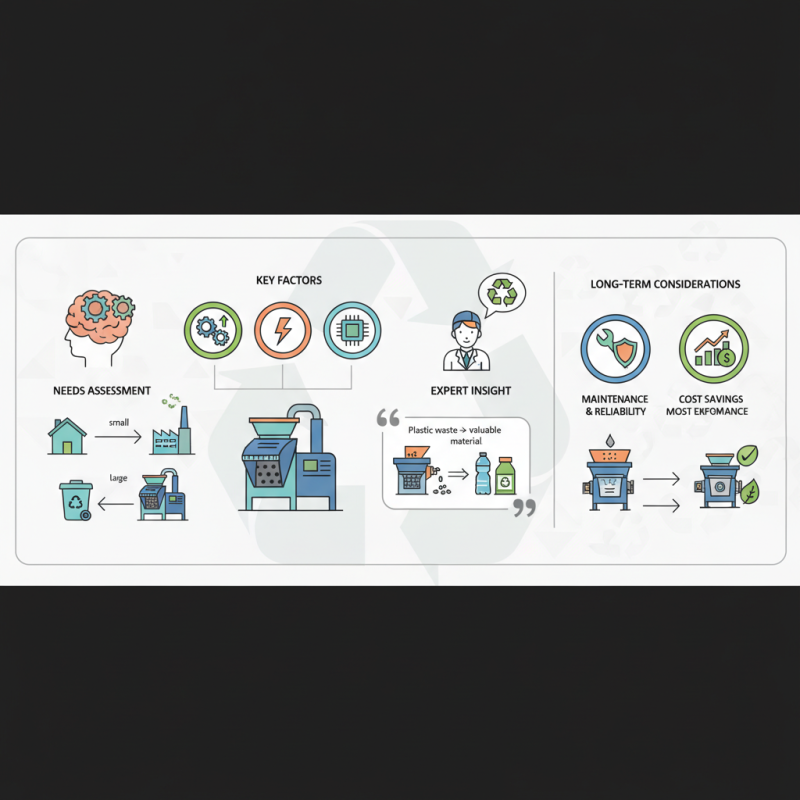
Choosing the right Plastic Waste Shredder is crucial for effective waste management. According to industry expert Dr. Emily Carter, "A good shredder can turn plastic waste into valuable material for recycling." Her insights highlight the importance of selecting a machine based on specific needs.
The options available in the market can be overwhelming. Different models vary in capacity, power, and technology. Understanding these factors helps in making an informed choice. Consider your requirements. Is your focus on small-scale operations or larger industrial needs? The right Plastic Waste Shredder should align with your goals.
Selecting a shredder isn’t just about specifications. It’s important to think about long-term maintenance and reliability. A high-quality shredder can reduce waste effectively and save costs over time. However, it's vital to evaluate the performance and reviews of the machine. Remember, the best choice isn't always the most expensive. Sometimes, a budget-friendly option offers exactly what you need. Reflecting on these points can guide you towards the ideal solution.
Understanding Different Types of Plastic Waste Shredders
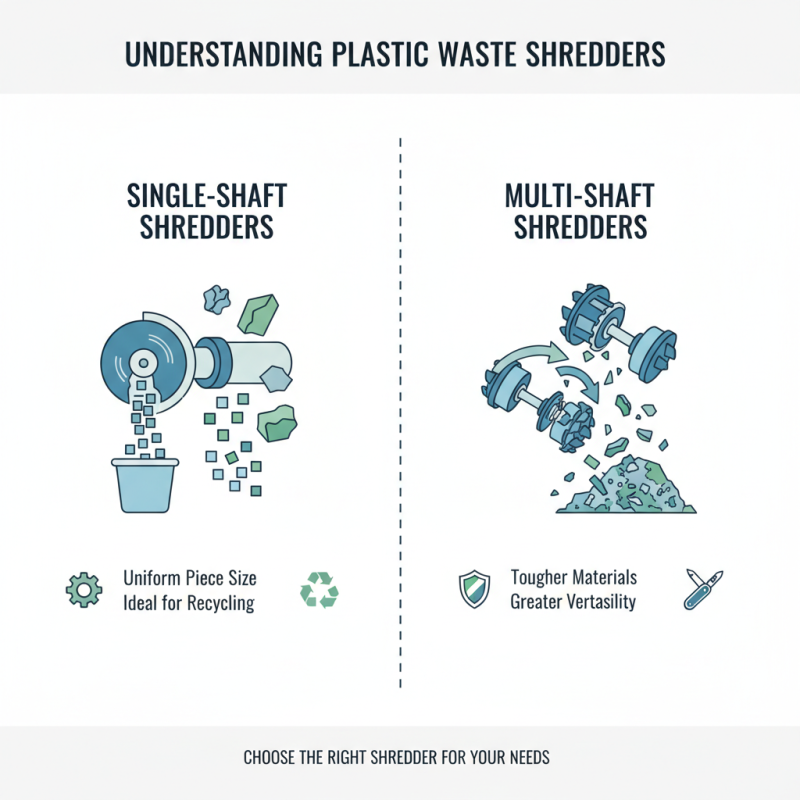
When selecting a plastic waste shredder, understanding the different types available is crucial. There are primarily two main categories: single-shaft and multi-shaft shredders. Single-shaft shredders are efficient for reducing plastic into uniform pieces, often used in recycling processes. Multi-shaft models excel at handling tougher materials, providing greater versatility for various plastic types.
According to a 2022 industry report, the global plastic waste shredder market is projected to reach $800 million by 2027. This growth indicates the rising importance of effective waste management solutions. Choosing the right shredder can directly impact recycling efficiency and operational costs.
**Tip:** Evaluate your specific plastic waste stream. A shredder suitable for soft plastics may not perform well on harder materials. Always consider your main applications before making a choice.
Maintenance is another critical aspect. Regular checks can prevent costly downtime. Many shredders also come with specific maintenance needs based on their design. Understanding these requirements ensures consistent performance and durability.
**Tip:** Keep a log of maintenance activities. Tracking performance can help identify any trends that lead to mechanical issues. Regularly assessing your equipment can lead to higher reliability and extended lifespan.
Key Factors to Consider When Choosing a Plastic Waste Shredder
Choosing the right plastic waste shredder involves several key factors. One crucial element is the shredder's capacity. Evaluate your volume of plastic waste. Higher capacity shredders are suitable for businesses with larger waste production. For smaller operations, a compact model may suffice.
Another important consideration is the type of plastics you intend to shred. Different materials require specific blade types and mechanisms. For instance, soft plastics need different handling compared to rigid ones.
Tips: Always check the shredder's horsepower. A powerful motor ensures efficiency and durability. Pay attention to the noise level, too. High-decibel machines can disrupt your work environment.
Lastly, maintenance requirements can’t be overlooked. Simple maintenance saves time and prolongs the machine's lifespan. Regular checks on blades can prevent costly repairs. Don't ignore operation costs; they can accumulate quickly over time.
Top Factors to Consider When Choosing a Plastic Waste Shredder
This chart illustrates the key factors to consider when selecting a plastic waste shredder based on their importance for operational efficiency.
Evaluating Shredder Capacity and Size for Your Operational Needs
When selecting a plastic waste shredder, analyzing capacity and size is crucial. The shredder's capacity must align with your operational requirements. Larger capacity models can handle more waste, but they often occupy more space. If your operation generates a consistent volume of plastic waste, consider a mid-sized unit. This balance can optimize efficiency without overwhelming your workspace.
Choosing the right size also involves examining your processing workflow. Are you shredding large items or smaller pieces? A compact and efficient machine might be perfect for small operations. However, for facilities that handle bulk waste, larger machines may be necessary. Reflect on the physical constraints of your environment. A shoddy fit can lead to inefficiencies and increased costs.
Moreover, the design of the shredder can affect maintenance routines. Machines that are too large may require specialized equipment for repairs. Regular maintenance is key to reliability and long-term use. It's worth considering how the shredder will fit into your daily operations. Are you prepared for the space and maintenance demands? This reflection can help pinpoint the right choice for your needs.
How to Choose the Best Plastic Waste Shredder for Your Needs?
| Shredder Type |
Capacity (kg/h) |
Motor Power (kW) |
Shredding Size (mm) |
Weight (kg) |
| Single Shaft Shredder |
300 |
22 |
20 |
1000 |
| Twin Shaft Shredder |
500 |
37 |
15 |
1200 |
| Industrial Granulator |
200 |
15 |
5 |
600 |
| Heavy-Duty Shredder |
800 |
45 |
25 |
1500 |
Assessing Energy Efficiency and Maintenance Requirements
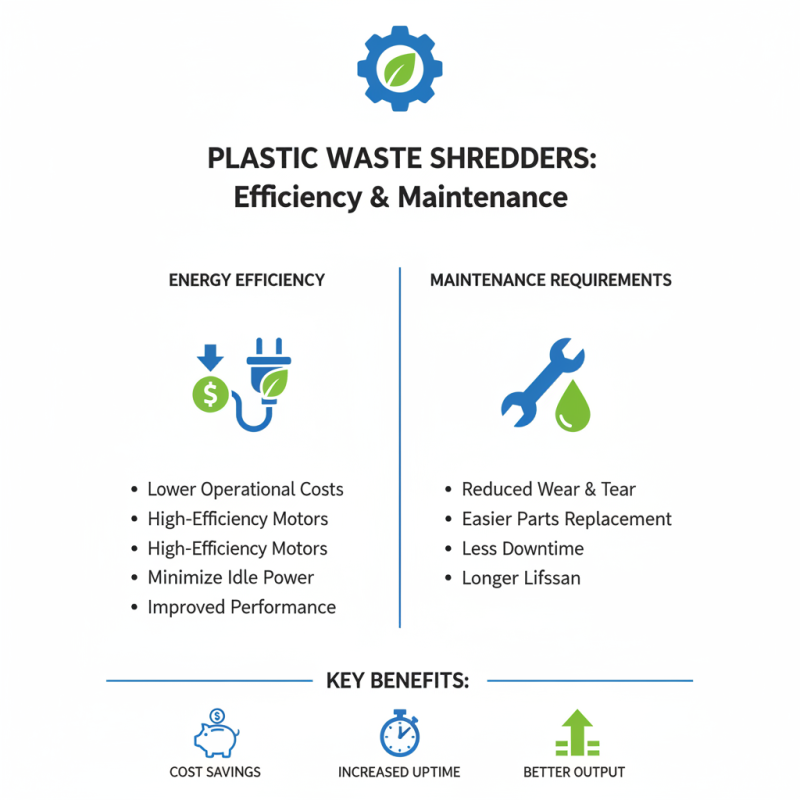
When selecting a plastic waste shredder, energy efficiency and maintenance requirements are essential factors. A shredder that operates with a lower energy consumption contributes to reduced operational costs in the long run. Look for models with high-efficiency motors and features that minimize power usage during idle times. Additionally, energy-efficient shredders often perform better, as they can handle materials more effectively without excessive wear.
Maintenance can significantly influence the lifespan of a shredder. Regular checks, such as blade sharpness and motor function, are critical. Some users may overlook the importance of routine upkeep. Ignoring these aspects can lead to costly repairs and reduced efficiency. Choose a shredder that is easy to maintain. Models with accessible parts for cleaning and inspection can save time and effort. Moreover, consider the availability of replacement parts. Not all shredders have common components, which can complicate maintenance tasks over time. A well-informed choice encompasses both energy consumption and maintenance processes to ensure a sustainable and practical shredding solution.
Comparing Costs and Return on Investment for Shredders
When evaluating plastic waste shredders, considering costs and return on investment (ROI) is crucial. A shredder that seems affordable might not be cost-effective in the long run. Look beyond the initial price. Think about maintenance, energy requirements, and durability. Investing in a robust machine can save money over time.
Tips: Factor in repairs. Cheaper models may break down often. This results in higher costs. Running costs are important, too. Calculate energy consumption. Some shredders use more power than others. This can impact your bills significantly.
Do not overlook the lifespan of the shredder. A machine that lasts longer can yield better ROI. When analyzing ROI, assess output efficiency. Shredders that process material faster can boost productivity. Higher throughput often leads to increased revenue.
Carefully compare different options. It can be tempting to choose based on upfront costs. However, evaluate how each shredder fits your specific needs. A thorough analysis will give a clearer picture of true value. Aim for a balance between cost and functionality.