10 Essential Tips for Choosing the Right Plastic Waste Shredder?
Selecting the right Plastic Waste Shredder can profoundly impact waste management operations. According to a recent market report by Research and Markets, the global plastic shredding market is projected to grow at a CAGR of 8.5% from 2023 to 2030. This data highlights the increasing demand for effective plastic waste management solutions in various industries.
Industry expert Dr. Emily Carter emphasizes, "Investing in a quality Plastic Waste Shredder is crucial for sustainability." Her insight reflects a growing awareness of the environmental challenges associated with plastic waste. With an estimated 300 million tons of plastic produced annually, the call for efficient shredders has never been louder.
Choosing the right shredder involves considerations beyond just cost. Factors like capacity, power, and blade design play vital roles. Many buyers overlook these essential aspects, leading to suboptimal performance. A knowledgeable choice can enhance recycling efforts and contribute to sustainability goals. Focusing on quality over price can make a significant difference.
Understanding the Types of Plastic Waste Shredders Available on the Market
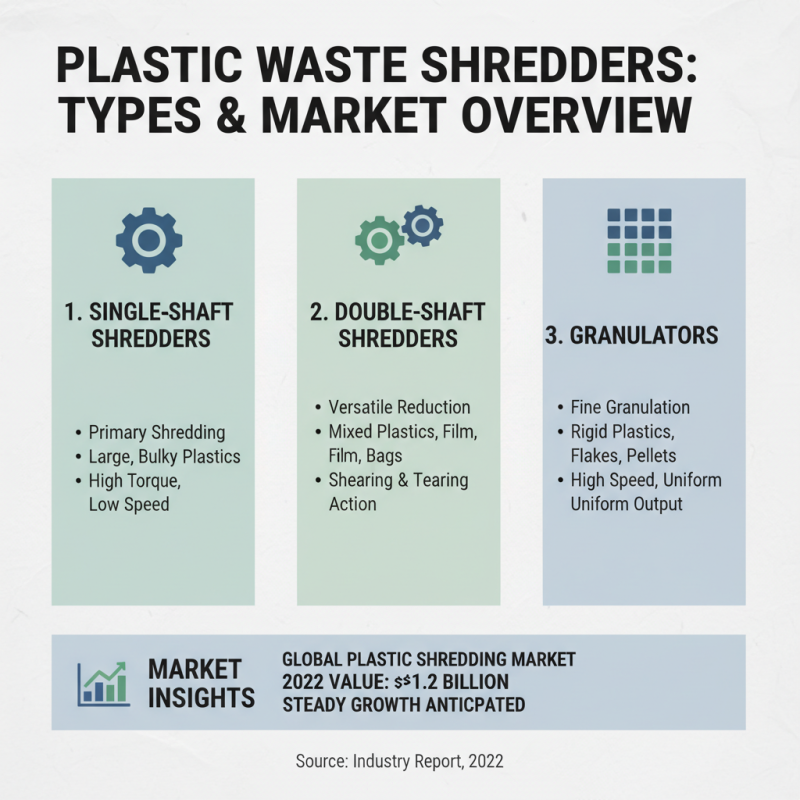
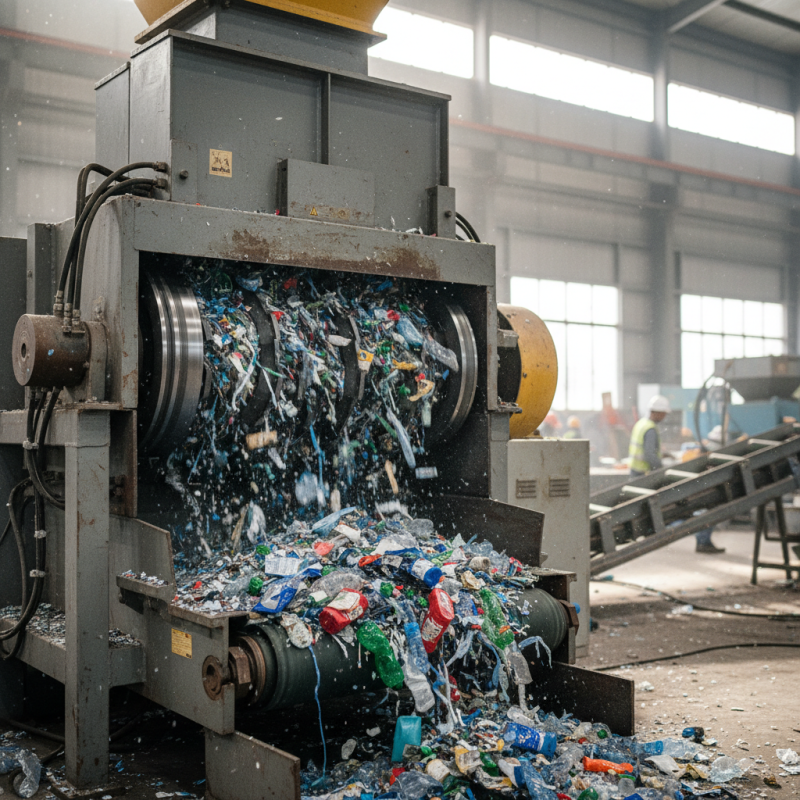
When it comes to selecting the right plastic waste shredder, understanding the different types available is crucial. Commonly, there are three main categories: single shaft, double shaft, and granulator shredders. Each type serves specific purposes and handles various plastic materials differently. According to a recent industry report, the global plastic shredding market was valued at approximately $1.2 billion in 2022 and is anticipated to grow steadily, highlighting the increasing demand for effective waste management solutions.
Single shaft shredders are ideal for uniform processing and are known for their efficiency. They are suitable for plastics like polyethylene and polypropylene, which are often found in consumer products. On the other hand, double shaft shredders can handle tougher materials and larger volumes, making them effective for industrial applications. Granulators are more focused on producing smaller plastic particles, making them perfect for creating raw materials for reuse. Data also indicates that nearly 30% of plastic waste is not processed effectively, which raises concerns about waste management practices.
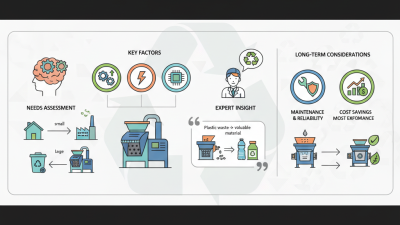
Choosing the right shredder requires careful assessment of your needs. Factors such as the type of plastic waste generated, desired output size, and operational efficiency must be considered. Reflections on your specific requirements can guide you through this decision. While advanced shredders offer great benefits, they also come with complexities. Investing in a plastic shredder should align with your long-term sustainability goals, ensuring both effective waste reduction and cost-effectiveness.
Evaluating Shredder Capacity and Its Impact on Operational Efficiency
When choosing a plastic waste shredder, evaluating shredder capacity is vital. The capacity determines how much material can be processed in a given time frame. According to industry reports, shredders with a higher capacity can reduce operational time by up to 30%. This efficiency impacts labor costs and energy consumption. A well-chosen shredder ensures that resources are utilized effectively.
Tip: Assess your waste volume. If your operation handles large quantities of plastic, look for shredders with ample capacity. You might need a dual-shaft model for better performance. These can often handle tougher plastics without frequent jams.
Shredder designs vary widely. Some shredders employ advanced technology with sensors that optimize power based on load. This can minimize energy waste and improve productivity. However, larger capacities can also lead to maintenance challenges. Machines working at full capacity might require more frequent repairs or servicing. Regular checks and understanding machine limits are necessary for longevity.
Tip: Choose a shredder that allows for easy maintenance. Not all machines offer the same accessibility for repairs. A shredder that is hard to service may lead to downtime, affecting overall efficiency.
10 Essential Tips for Choosing the Right Plastic Waste Shredder
| Tip No. |
Tip |
Capacity (kg/hr) |
Power Requirement (kW) |
Operational Efficiency (%) |
| 1 |
Assess your waste type |
300 |
22 |
85 |
| 2 |
Select appropriate blade design |
450 |
30 |
90 |
| 3 |
Consider the shredder size |
200 |
15 |
80 |
| 4 |
Check noise levels |
350 |
20 |
78 |
| 5 |
Evaluate safety features |
500 |
35 |
88 |
| 6 |
Research maintenance requirements |
250 |
18 |
82 |
| 7 |
Assess the shredder's speed |
400 |
28 |
92 |
| 8 |
Determine the power source |
320 |
22 |
86 |
| 9 |
Consider energy efficiency |
280 |
18 |
80 |
| 10 |
Seek expert recommendations |
450 |
32 |
91 |
Key Features to Consider: Blades, Motors, and Safety Mechanisms
When choosing a plastic waste shredder, focus on essential features. Blades are critical for effective shredding. Look for hardened steel blades that resist wear and can handle different types of plastics. The design of the blade matters. Sharp, well-aligned blades ensure consistent cuts and less jamming. Fluctuating performance may occur with dull or improperly aligned blades.
Another key element is the motor. A powerful motor enables efficient shredding. Motors with higher wattage can shred tougher materials. Consider an electric motor with variable speed settings. This flexibility can adapt to different types of plastic waste. Overheating can be an issue with some motors. Adequate cooling mechanisms are vital for prolonged usage, preventing damage.
Safety mechanisms are non-negotiable. Ensure the shredder has features like automatic shut-off and protective covers. These can prevent accidents during operation. Some shredders may lack proper safety protocols, which can lead to serious injury. It’s worth reflecting on these features before making a purchase. Investing in a reliable shredder with essential safety features is crucial for a safe working environment.
Plastic Waste Shredder: Key Features Comparison
Assessing Environmental Regulations and Compliance Standards in Shredding
When selecting a plastic waste shredder, understanding environmental regulations is critical. Different regions have varying compliance standards. For instance, some areas require specific noise level restrictions. Others focus on emissions and energy efficiency. Being aware of these regulations helps you select a shredder that meets local laws. It also ensures sustainable operations.
I have seen many companies overlook these standards. They prioritize cost over compliance. This can lead to fines and operational shutdowns. Some shredders might seem economical, but they may violate regulations. Consequently, spending a little more on compliant equipment is often wiser. It's crucial to invest in machines that adhere to environmental guidelines.
Additionally, researching the latest regulations can be overwhelming. Industries are constantly facing new changes. It's essential to stay updated to avoid penalties. Consulting with experts in the field can provide clarity. Reviews and insights can help in choosing compliant shredders. It may take extra effort, but the benefits of compliance are significant. Engaging in the right practices can enhance your company's reputation.