10 Essential Tips for Choosing the Right Plastic Shredder Machine
As the demand for effective waste management solutions continues to rise, the role of a Plastic Shredder Machine becomes increasingly crucial in various industries. According to a recent report by the Global Recycling Foundation, the plastic recycling industry is projected to reach a market value of over $45 billion by 2027. This growing market not only highlights the urgency of incorporating efficient shredding technology but also emphasizes the importance of selecting the right equipment to meet specific operational needs.
Expert insights shed further light on this topic. Dr. Lisa Thompson, a prominent figure in plastic waste management, stated, "Choosing the right Plastic Shredder Machine is not merely a matter of efficiency; it is about aligning the technology with your sustainability goals and operational processes." Her perspective reflects a significant trend in the industry, where businesses are increasingly recognizing that better shredding capabilities can lead to enhanced recycling outcomes, reduced waste, and improved resource recovery.
In this article, we will explore ten essential tips for selecting the right Plastic Shredder Machine, aiming to equip businesses and operators with the knowledge needed to make informed decisions in a rapidly evolving market. Whether it’s for a small facility or a large manufacturing plant, understanding these key factors will contribute to more effective waste management strategies and a greener future.
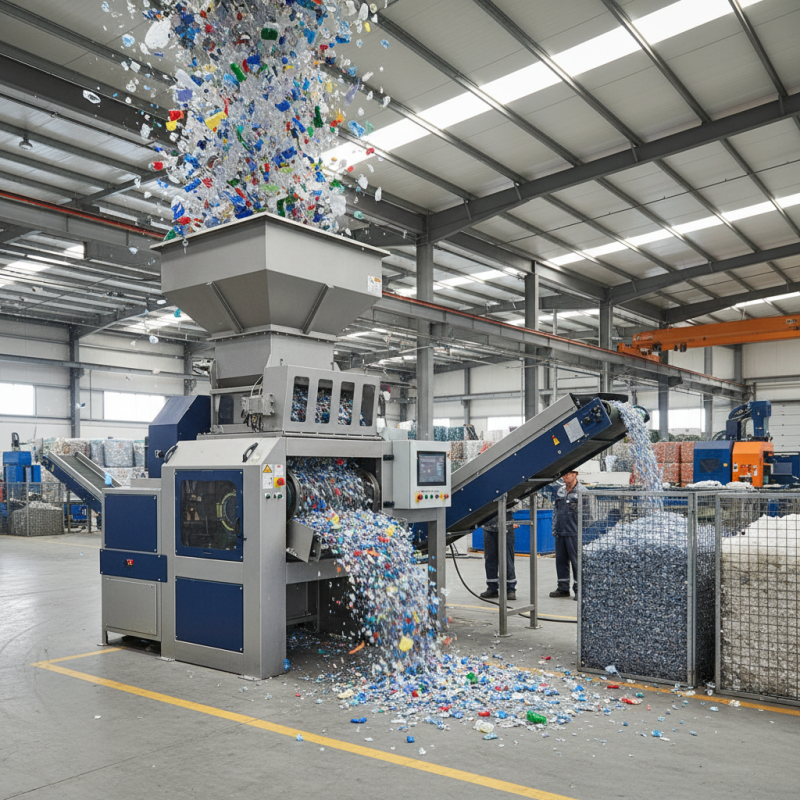
Understanding Different Types of Plastic Shredder Machines Available
When it comes to selecting the right plastic shredder machine, understanding the various types available is crucial. There are primarily four types of shredders:
single shaft,
dual shaft,
four shaft, and
granulators.
Single shaft shredders offer a compact design and are best suited for small to medium-sized operations, processing mixed materials efficiently.
Dual shaft shredders, on the other hand, provide greater versatility and higher throughput, making them ideal for larger operations that deal with diverse plastic types.
Four shaft shredders achieve finer granulation, useful for specific recycling applications where precise particle size is essential.
Granulators are typically utilized for reprocessing plastic waste into small granules for reuse in manufacturing.
When considering your options, keep these tips in mind: First, assess the material you're planning to shred.
Different machines have varying capabilities and limitations based on the type of plastic.
Second, evaluate the machine's capacity and power requirements to ensure it meets your workload demands.
Lastly, consider the ease of maintenance and availability of spare parts to avoid operational downtimes.
According to industry data from the Association of Plastic Recyclers, the plastic recycling market was valued at approximately $34 billion in 2021, with estimates suggesting growth driven by increasing regulations on plastic waste management.
Choosing the right shredder can not only enhance recycling efficiency but also support your organization's sustainability goals,
making it a critical investment in today's eco-conscious landscape.
Key Specifications to Consider for Plastic Shredder Capacity and Size
When selecting a plastic shredder machine, understanding the key specifications related to capacity and size is crucial. The capacity of a shredder determines how much material it can handle at once, which is essential for efficiency in large-scale operations. A higher capacity machine is ideal for businesses that generate significant amounts of plastic waste, while smaller units might suffice for smaller operations or specialized tasks. It’s important to match the shredder’s capacity with your volume of material to prevent bottlenecks and ensure smooth processes.
Additionally, the size of the plastic shredder plays a vital role in installation and operational flexibility. For facilities with limited space, compact machines are available that offer robust performance without taking up excessive room. On the other hand, larger shredders might provide more power and have the ability to handle bigger pieces of plastic but require more floor space. Depending on the type of plastic products being processed, the dimensions of the shredder can also impact the size of the output material, influencing downstream processing methods. Therefore, carefully evaluating these specifications will help ensure that the selected machine meets both operational needs and space constraints effectively.
Plastic Shredder Machine Specifications
This chart presents key specifications to consider when choosing the right plastic shredder machine. Factors include the shredding capacity in kg/h, motor power in HP, shredding chamber size in mm, blade thickness in mm, and the overall weight of the machine in kg. These data points are essential for assessing the performance and suitability of a plastic shredder for specific applications.
Evaluating the Importance of Blade Material and Design in Shredders
When selecting a plastic shredder machine, the importance of blade material and design cannot be overstated. The blades are the heart of any shredder, determining not only the efficiency of the shredding process but also the durability of the machine. According to recent industry data, high-carbon steel and tungsten carbide blades are increasingly favored for their exceptional hardness and wear resistance. Studies suggest that machines equipped with tungsten carbide blades can last up to three times longer than those with standard high-carbon steel, significantly reducing maintenance costs and downtime for businesses.
Moreover, blade design plays a crucial role in the machine's performance. A well-engineered blade geometry can enhance cutting efficiency and reduce energy consumption during operation. For instance, advanced shredders utilize a combination of straight and serrated blades, allowing for optimal shredding of various plastic types, whether thick or thin. Research indicates that machines that incorporate innovative blade designs can improve throughput by up to 50%, facilitating faster processing and more effective recycling. Such enhancements not only contribute to operational savings but also play a vital role in meeting sustainability goals by ensuring more efficient material recycling.
Analyzing Energy Efficiency Ratings and Their Impact on Operating Costs
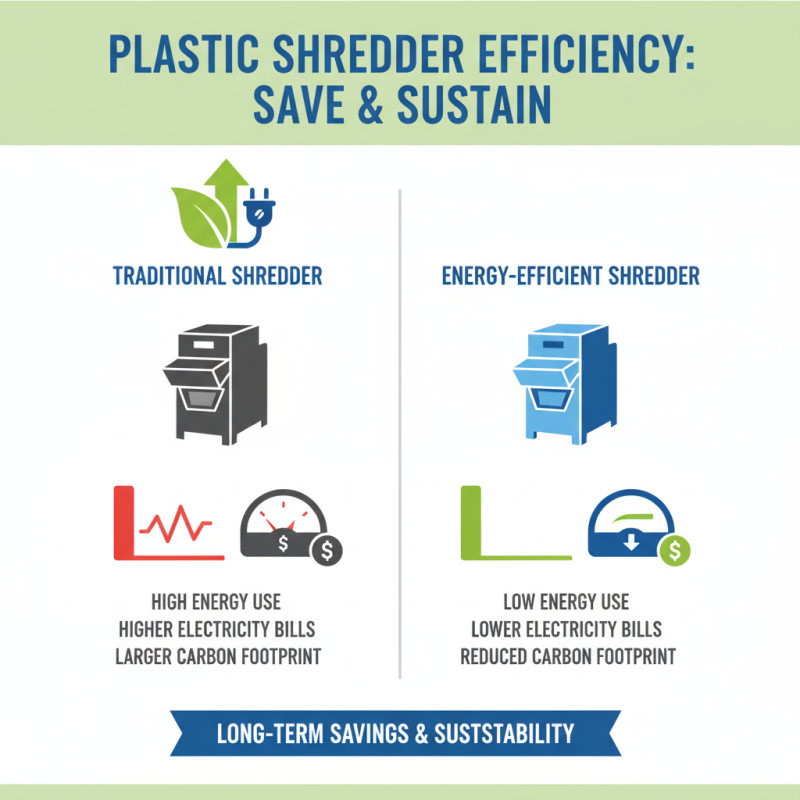
When selecting a plastic shredder machine, energy efficiency ratings play a crucial role in determining the overall operating costs. A machine with high energy efficiency can significantly lower electric bills and reduce environmental impact. Therefore, when analyzing potential shredders, it’s essential to look beyond initial purchase prices and focus on the long-term energy consumption as indicated by their efficiency ratings. This approach not only aids in budgeting but also supports sustainable practices within your operations.
One tip to consider is to check the kilowatt-hour ratings of different models. Machines that consume less energy for the same amount of work can lead to substantial savings over time. Additionally, choose machines equipped with features that optimize energy use, such as variable speed motors or automatic shut-off systems. These innovations allow the shredder to operate more efficiently and adapt to the volume of plastic being processed, further lowering operational costs.
Furthermore, consider the machine's throughput capacity in relation to its energy consumption. A shredder that processes larger volumes while maintaining low energy usage will be more cost-effective in the long run. Always review the manufacturer’s documentation for detailed insights into energy specs and real-world performance metrics to ensure you are making an informed decision for your business.
Reviewing Maintenance Requirements and Longevity of Plastic Shredders
When choosing the right plastic shredder machine, understanding the maintenance requirements and expected longevity is crucial for optimizing operations. Regular maintenance can significantly extend the lifespan of a shredder, with studies indicating that proactive care can increase machine longevity by up to 50%. Key maintenance tasks include regular blade inspections, lubrication, and checking for wear and tear, which, if overlooked, can lead to operational inefficiencies and costly downtimes. The Society of Plastics Engineers reports that a well-maintained shredder should provide upwards of 10 years of reliable service, depending on usage and material type.
Moreover, considering the longevity of plastic shredders, operators should assess the quality of materials used in the machine's construction. High-quality steel components, for example, can resist wear and tear, resulting in less frequent replacements and repairs. Industry data suggests that machines manufactured from superior materials yield performance levels that are 20-30% more efficient than their lower-quality counterparts. This efficiency translates into reduced energy consumption, which not only benefits the environment but also lowers operational costs over time. Therefore, selecting a shredder with lower maintenance needs and longer service life can be an economical and operationally sound decision.
10 Essential Tips for Choosing the Right Plastic Shredder Machine
| Tip |
Description |
Maintenance Requirements |
Expected Longevity |
| 1. Assess Material Type |
Identify the type of plastic you will shred. |
Regular blade sharpening and cleaning. |
5-10 years with proper care. |
| 2. Determine Volume Needs |
Evaluate how much plastic you process. |
Periodic checks on motor and belts. |
5-8 years typically. |
| 3. Check Safety Features |
Ensure it has safety guards and emergency stops. |
Regular inspection of safety mechanisms. |
Indefinite if maintained. |
| 4. Evaluate Processing Speed |
Understand the shred rate per hour. |
Lubrication of moving parts regularly. |
3-7 years under heavy use. |
| 5. Capacity of Feed Hopper |
Look for an adequately sized hopper. |
Keep free of clogs and obstructions. |
5-10 years. |
| 6. Ease of Use |
Select models with user-friendly controls. |
Regularly test functionality. |
Ongoing with proper maintenance. |
| 7. Consider Noise Levels |
Check the dB rating to ensure compliance. |
Routine checks on soundproofing. |
5-10 years. |
| 8. Replacement Parts Availability |
Confirm parts are easy to source. |
Keep spare parts stocked. |
Varies by model. |
| 9. Review Warranty Options |
Understand the warranty length and coverage. |
Follow warranty guidelines for maintenance. |
Enhances longevity assurance. |
| 10. Environmental Considerations |
Look for eco-friendly certifications. |
Regularly check for efficiency losses. |
Up to 15 years with ideal conditions. |