10 Essential Tips for Choosing the Right Tyre Shredding Machine?
Choosing the right Tyre Shredding Machine can feel overwhelming. With many options on the market, making an informed decision is vital. You want a machine that meets your needs effectively while also providing good value.
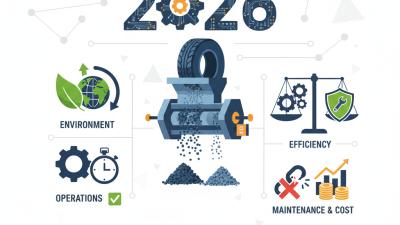
Understanding the technology behind Tyre Shredding Machines is crucial. Different models offer various features. Some are designed for high efficiency, while others focus on durability. Users often overlook maintenance needs, which can impact performance. A reliable machine should also have strong customer support and warranty options. Reflecting on these aspects can guide your choice.
Price is important, but it should not be the only factor. While some affordable machines may seem appealing, they could lead to costly repairs later. A balance between price and quality is essential. Safety features should not be neglected either. The best Tyre Shredding Machines prioritize user safety. With careful consideration, you can select a machine that suits your operational requirements and budget.
Understanding Different Types of Tyre Shredding Machines and Their Uses
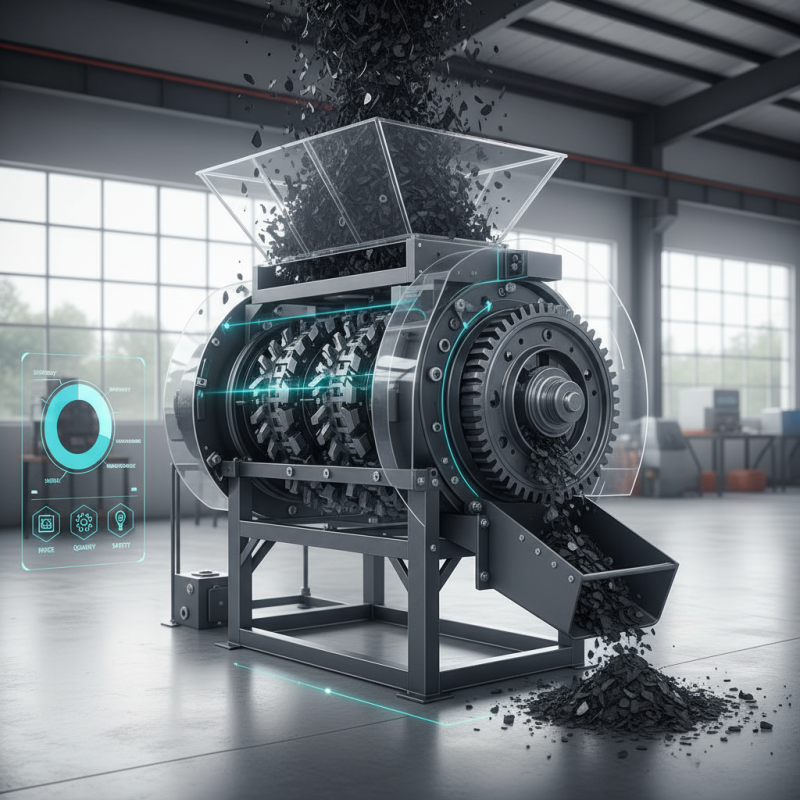
When selecting a tyre shredding machine, understanding the types available is crucial. There are two main categories: single-shaft and dual-shaft machines. Single-shaft models excel in producing uniform particle sizes. They are ideal for recycling operations focusing on consistency. Conversely, dual-shaft machines handle a wider variety of tyres. They are perfect for operations needing to process larger volumes and different materials. Knowing what you need will help you choose wisely.
Tip: Assess the volume of tyres you plan to shred regularly. This will dictate the machine's capacity you should seek. Larger operations may require heavy-duty equipment, while small-scale operations benefit from compact models.
Another factor to consider is the intended end product. Some businesses want crumb rubber, while others aim for chips or shreds. Different machines produce varying outputs, so it’s vital to align your goals with machine specifications.
Tip: Don’t overlook the importance of maintenance. Machines need regular checks to function efficiently. Neglect can lead to costly repairs or downtime later. Investing in a reliable shredder often pays off in the long run.
Comparison of Different Types of Tyre Shredding Machines
Key Technical Specifications to Consider in Tyre Shredding Equipment
When selecting a tyre shredding machine, understanding key technical specifications is vital. The power rating is crucial; machines with higher kilowatt ratings usually handle tougher materials more efficiently. Monitor the motor specifications to ensure it meets your processing needs and can handle the workload. Additionally, consider the size of the shredding chamber. A larger chamber increases capacity, but it may reduce manageable space.
The blade design is another critical aspect. Sharp, well-structured blades provide better shredding and prolong machine life. Pay attention to the blade material; durable materials resist wear and tear. Furthermore, the machine's shredding speed should align with your production goals. Too fast may lead to compromised output quality, and too slow can prolong processing times.
Lastly, don't overlook maintenance needs. Machines that require frequent upkeep may hinder overall productivity. Assess the ease of replacing worn components. Some machines have complicated parts that need expert knowledge for repairs. Finding balance in efficiency and practicality can lead to better operational success.
Evaluating Throughput Capacity: How Much Waste Can Be Processed?
When choosing a tyre shredding machine, evaluating throughput capacity is crucial. Throughput capacity defines how much material can be processed in a given timeframe. For instance, many machines can handle between 1 to 5 tons of rubber waste per hour. Depending on your operation scale, this capacity can significantly influence efficiency and profitability.
According to a recent industry report from the Global Recycling Association, processing capacity impacts not just operational speed but also overall recycling effectiveness. Facilities with higher throughput capabilities can maximize resource recovery and reduce waste generation. It's essential to scrutinize not just the maximum capacity, but also how consistently the machine can maintain that throughput under varying conditions.
Moreover, consider the type of tyres being shredded. Different materials may affect the efficiency of the machine's performance. Regular maintenance requirements can influence long-term throughput. Facilities often face challenges ensuring that machines operate at their optimal levels. Effective evaluation of these factors will enhance your decision-making process when selecting a tyre shredding machine.
10 Essential Tips for Choosing the Right Tyre Shredding Machine
| Tip # |
Dimension |
Recommendation |
Approximate Throughput Capacity (tonnes/hour) |
| 1 |
Type of Shredding Machine |
Consider single shaft vs. double shaft |
1 - 5 |
| 2 |
Feed Size |
Match the feed opening with tyre sizes |
2 - 6 |
| 3 |
Power Requirements |
Consider electric vs. hydraulic drives |
3 - 10 |
| 4 |
Maintenance Needs |
Evaluate ease of accessing parts |
1 - 4 |
| 5 |
Safety Features |
Look for automatic shut-off systems |
All |
| 6 |
Noise Levels |
Consider sound attenuation features |
Variable |
| 7 |
Transportation |
Assess mobility features for onsite use |
All |
| 8 |
Energy Efficiency |
Look for machines with lower operational costs |
3 - 8 |
| 9 |
Output Size |
Determine desired particle size for recycling |
1 - 5 |
| 10 |
Budget Considerations |
Set a clear budget and evaluate value |
N/A |
Assessing Energy Efficiency Ratings of Tyre Shredding Machines
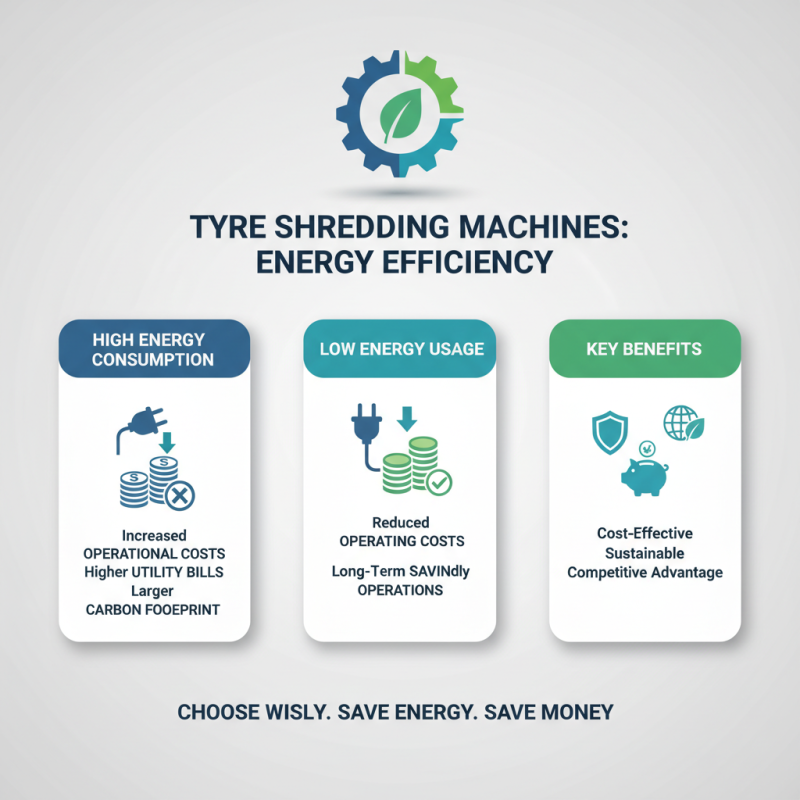
When considering the energy efficiency ratings of tyre shredding machines, it’s crucial to understand their impact on both operational costs and environmental sustainability. High energy consumption can lead to increased expenses. Machines designed for lower energy usage can significantly reduce operating costs, benefitting your business in the long run.
Selecting energy-efficient models can seem straightforward. However, many machines may look efficient on paper but use more energy during operation. Look for independent reviews and performance metrics. They often highlight real-world efficiency. Remember, a machine's energy rating is only as good as its reliability in practice.
Tip: Always ask for detailed energy consumption reports when comparing machines. Some manufacturers provide insights into how their machines perform in various conditions. Compare these outcomes; they reflect true efficiency. Check if the machine has been tested in real settings. Efficiency is not just a number on a label. It has real-world effects on your operational costs.
Don’t overlook maintenance practices. Proper upkeep can improve the energy efficiency of your machine over time. Sometimes, older machines can outperform newer models with regular maintenance. Always assess how energy-efficient a model remains over its lifespan. Small inefficiencies can add up and affect your bottom line. It’s a complex decision that requires careful consideration.
Cost Analysis: Budgeting for Purchase and Maintenance of Shredders
When considering a tyre shredding machine, budgeting is crucial. The initial purchase cost is only one part of the equation. You should also account for ongoing maintenance costs, which can add up over time. Regular servicing ensures optimal performance. Skimping on maintenance could lead to larger expenses later.
Operational costs are another factor. You need to estimate energy consumption. A machine that uses energy efficiently can save money in the long run. Additionally, replacement parts should be considered. Some machines may have more accessible components, while others might require expensive specialized parts. This is worth reflecting on when making your choice.
Do not forget about training costs for your staff. Ensuring your team is skilled in using the machine safely is vital. This might mean further expenses in terms of workshops or instructional materials. Balancing these factors can be daunting. It's essential to evaluate all these aspects before making a decision.