2026 How to Choose the Best Tire Shredding Machine?
Choosing the right tire shredding machine can be daunting. With numerous options on the market, understanding the features and specifications is essential. A tire shredding machine is a critical investment for businesses dealing with tire recycling. It can transform waste into reusable materials, benefiting both the environment and your company.
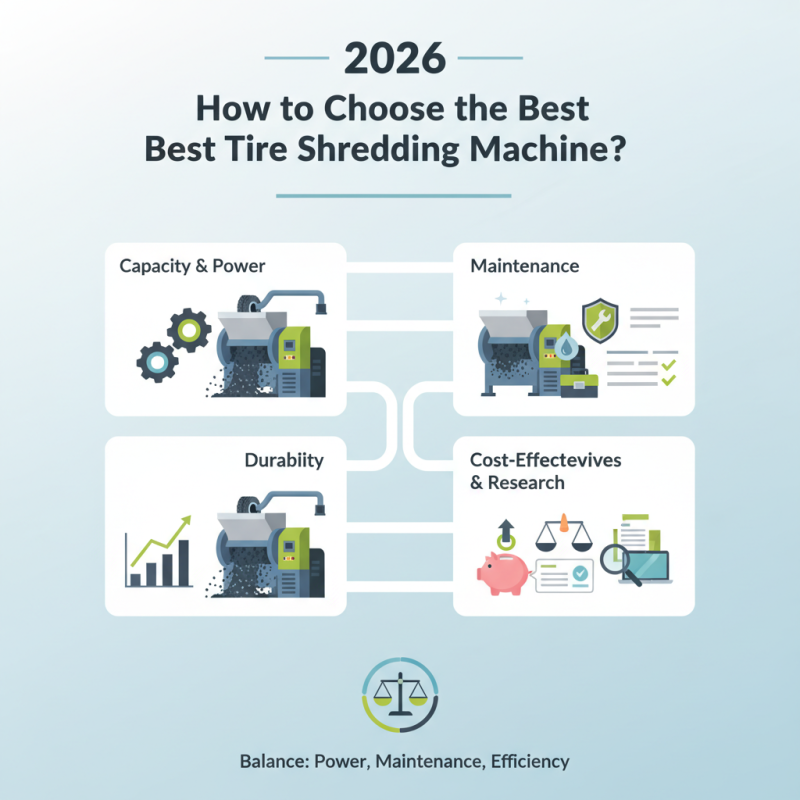
When selecting a tire shredding machine, consider its capacity and power. Different models offer various throughput levels. A machine with higher capacity can handle more tires efficiently. However, more power often means higher operational costs. Make sure the machine meets your production needs while remaining cost-effective.
Durability is another key factor. Quality machines can withstand heavy use and last longer. Reviews and testimonials are valuable for assessing reliability. Many buyers overlook maintenance requirements, but this can significantly impact performance. You should evaluate the potential long-term costs and benefits before making a final decision. Selecting the right tire shredding machine requires careful thought and research. Striking a balance between power, upkeep, and efficiency is essential for success in tire recycling.
Understanding Tire Shredding Machines: Key Features to Consider
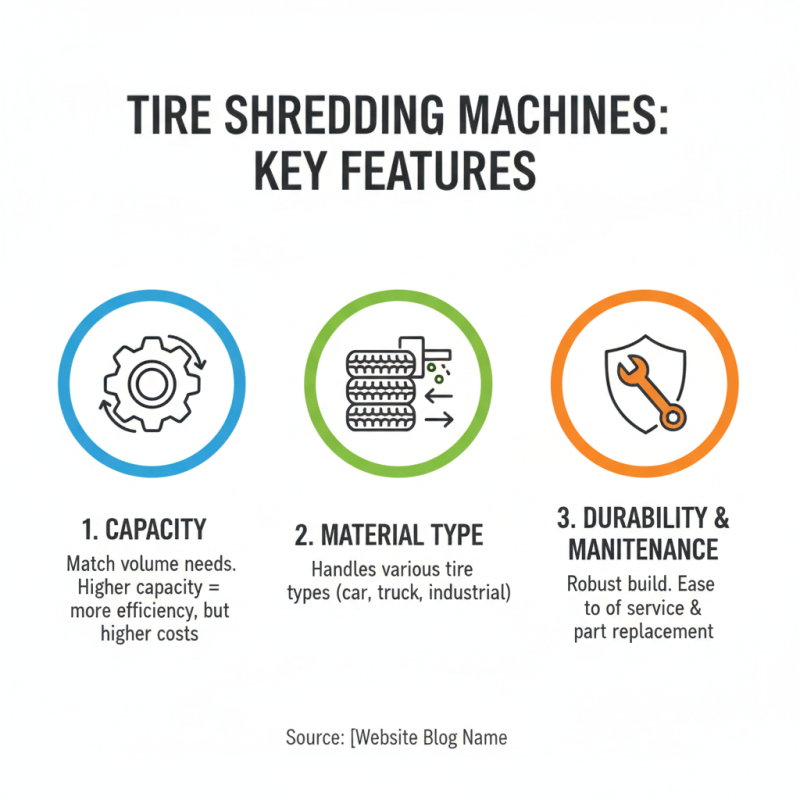
When selecting a tire shredding machine, understanding key features is crucial. One of the most important aspects is the machine's capacity. A higher capacity usually means more efficiency. However, purchasing a machine with excessive capacity may lead to higher operational costs. You must evaluate your volume needs carefully.
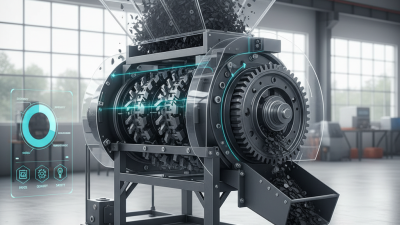
Another vital feature is the shredding mechanism. Machines can have knife-based or hammer-based systems. Knife shredders tend to offer cleaner cuts, while hammer systems are more robust. Each mechanism has its pros and cons. Choosing the wrong type can affect the quality of your shredded materials.
Additionally, think about maintenance. Some machines require more upkeep than others. A reliable machine should balance performance and ease of maintenance. This balance can save you time and money. Remember, investing in a machine is just the beginning; ensuring its longevity is equally important.
Types of Tire Shredding Machines: Which One Suits Your Needs?
When selecting a tire shredding machine, understanding the various types available is crucial. The primary types are steel wire shredders, rubber granulators, and primary shredders. Each type has unique capabilities and features. Steel wire shredders efficiently separate metal from rubber. Rubber granulators produce finer rubber particles through a series of knives. Primary shredders are suitable for initial breakdown stages.
Tips: Always assess your material input size. A machine's effectiveness may drop if the input is not within its design specifications. Additionally, consider the desired output size. It influences the type of machine you should choose.
Moreover, energy consumption is another key factor. Some machines operate at higher efficiencies, impacting overall operational costs. Lesser-known models may seem appealing due to lower prices, yet they can lead to higher expenses in maintenance. Always weigh the pros and cons before making a choice. Think about the long-term implications of your investment. Expert advice can provide valuable insights into the best-fit machine.
Evaluating Performance: Capacity, Speed, and Efficiency Factors
When evaluating tire shredding machines, three factors matter most: capacity, speed, and efficiency.
Capacity refers to the volume of tires the machine can handle within a specific timeframe. For small operations, a machine with lower capacity may suffice. However, larger businesses need machines designed for heavy-duty grinding tasks.
Too often, buyers overlook how capacity aligns with their needs.
Speed is equally crucial. A machine that can shred tires quickly saves time and labor costs. It’s essential to consider how the shredding process impacts the overall production line output. However, rapid processing may compromise the shredding quality.
Striking the right balance between speed and precision is critical. Sometimes, this trade-off might lead to more frequent maintenance issues.
Efficiency plays a vital role as well. An efficient machine minimizes energy consumption. It can translate into substantial cost savings over time.
Focusing solely on initial costs may lead to regret later. Buyers should look at long-term operational costs and potential downtimes.
Understanding these factors enables informed decisions when choosing the right tire shredding machine.
Safety Measures and Compliance Standards for Tire Shredding Equipment
When selecting a tire shredding machine, safety measures are crucial. Compliance with industry standards ensures that equipment operates effectively and reduces risks. Tire shredding can be dangerous due to sharp metal shards and heavy machinery involved. It is essential to implement safety guards and emergency stop buttons to protect operators.
Moreover, understanding local and international regulations is vital. Compliance standards vary, affecting how a facility must operate. Equipment should meet specific noise control and emission standards. Regular inspections and maintenance of the machinery help ensure these standards are always met. A well-maintained machine minimizes workplace accidents and enhances overall productivity.
Operators should be trained thoroughly. Lack of adequate training can lead to mishaps. Even experienced workers must participate in regular safety drills and refresher courses. It promotes a safety-conscious culture. Feedback from workers can reveal overlooked safety concerns. Open discussions can lead to better practices and improved safety protocols.
2026 How to Choose the Best Tire Shredding Machine? - Safety Measures and Compliance Standards for Tire Shredding Equipment
| Feature |
Importance |
Compliance Standards |
Safety Measures |
| Material Durability |
High |
ISO 9001 |
Regular Inspections |
| Noise Level |
Medium |
OSHA Reg. 1910.95 |
Hearing Protection |
| Power Efficiency |
High |
IEE Standard 80 |
Emergency Shutoff |
| Throughput Capacity |
Critical |
CE Marking |
Operator Training |
| Ease of Maintenance |
Medium |
ANSI Standards |
Scheduled Maintenance |
Cost Analysis: Budgeting for Purchase and Maintenance of Machines
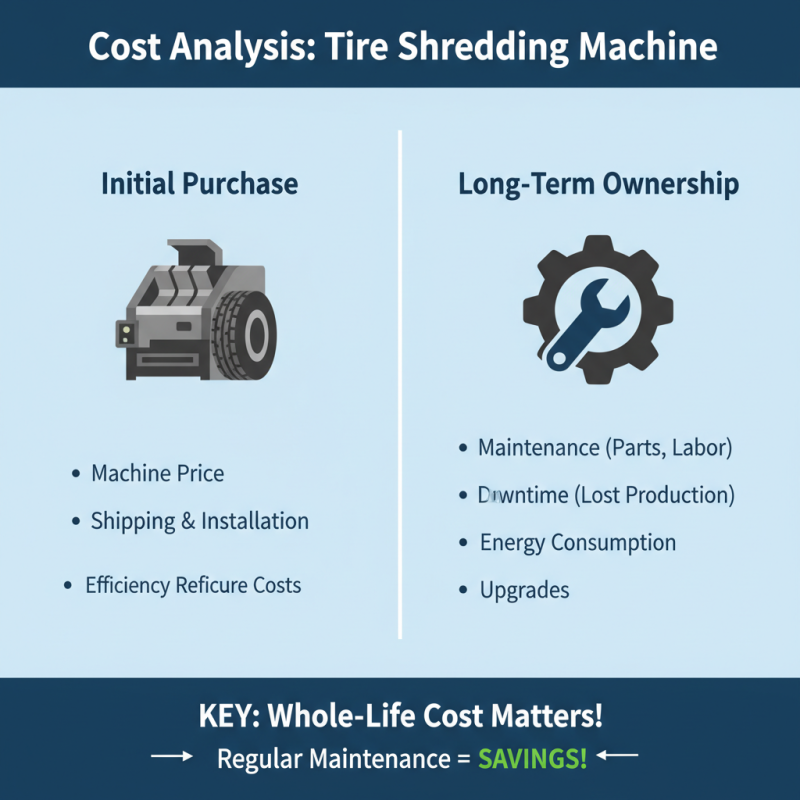
When considering a tire shredding machine, budget plays a crucial role. It's not just the purchase price to consider. Maintenance costs can add up significantly over time. Factor in parts, labor, and potential downtime that may occur. Regular maintenance ensures efficiency. Neglecting it results in higher costs later.
The initial investment for a tire shredding machine can vary widely. Some machines are affordable, but they may lack advanced features. More expensive options often provide better performance and durability. Understanding your operational needs helps guide your spending decisions. Analyze how many tires you'll process daily. This helps in choosing the right machine for your budget.
Predicting maintenance costs is challenging. Estimates can be inaccurate, especially if unforeseen issues arise. Machines may require specific parts that are hard to find. Over time, wear and tear could lead to unexpected repairs. Regular assessments of machine performance can mitigate risks. Planning for these variables leads to smarter financial choices.