Top Slow Edge Crusher Key Benefits and Applications?
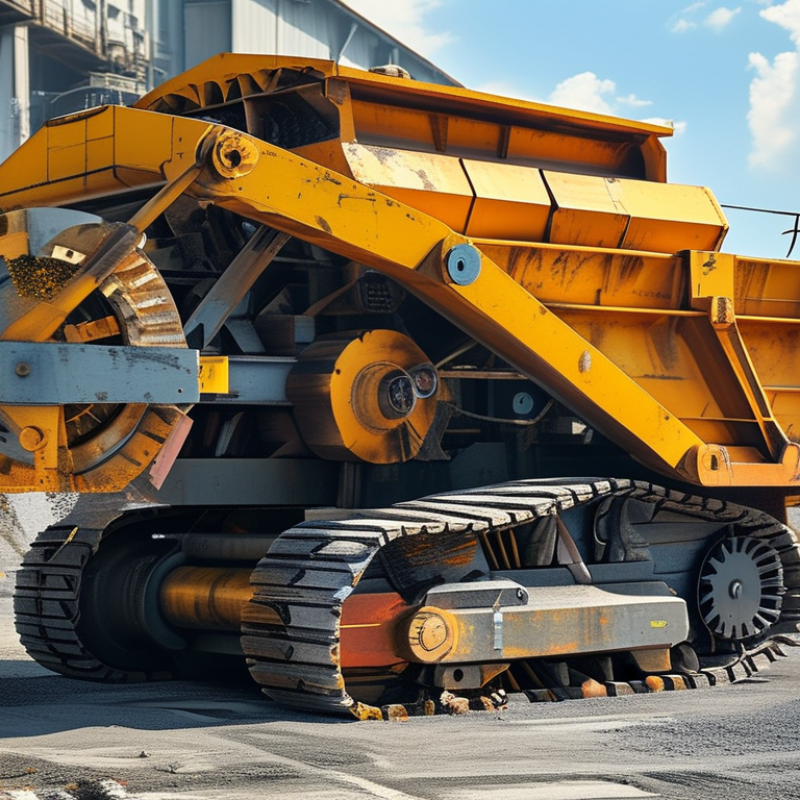
The Slow Edge Crusher is a mechanical marvel that has transformed various industries. Designed for efficiency, it excels in producing uniform particle sizes while minimizing energy consumption. This innovation is gaining traction across sectors like recycling, mining, and construction. Users appreciate its capability to handle tough materials with remarkable precision.
However, its implementation does raise questions regarding operational costs and maintenance. Organizations must evaluate whether the Slow Edge Crusher fits their specific needs. Efficiency and durability are its strengths, yet initial investments can be substantial.
Industry experts note that the returns often justify the costs. The Slow Edge Crusher demands a thoughtful approach to maximize its potential. It's crucial for businesses to weigh the benefits against the challenges. In doing so, they can better harness this technology for sustainable growth.
Key Features of Slow Edge Crushers
Slow edge crushers offer unique benefits across various industries. Their design focuses on minimizing heat generation. This helps preserve the quality of materials being processed. Unlike traditional crushers, slow edge crushers operate at lower speeds, resulting in less dust and noise.
Key features of slow edge crushers include a robust construction. They are built to withstand heavy-duty use. The adjustable settings allow operators to control the size of the output. This flexibility is vital for achieving specific material dimensions. Additionally, these crushers often come with enhanced safety features, such as automatic shutdown systems that protect both the machine and operators.
Another advantage is their energy efficiency. Slower speeds mean lower energy consumption, making them cost-effective. However, the initial setup and maintenance can be challenging. Familiarity with the machinery is crucial for optimal performance. While they excel in preventing material degradation, operators must also be cautious of potential clogging. Understanding these factors can lead to more effective use and improved results.
Advantages of Using Slow Edge Crushers in Industry
Slow edge crushers are becoming increasingly popular in various industries. They offer distinct advantages that enhance operational efficiency. One key benefit is their ability to minimize dust emissions. This feature helps maintain a cleaner working environment, improving overall workplace safety. Moreover, the crushers operate at lower speeds, leading to reduced wear and tear on equipment. This results in lower maintenance costs over time.
Another significant advantage is the effective material handling. Slow edge crushers can efficiently process tougher materials without compromising the quality of the end product. The slower crushing action helps in achieving a finer output, which is crucial for many industrial applications. Companies have found that these machines reduce noise pollution, contributing to a more pleasant working atmosphere.
However, implementing slow edge crushers does require careful consideration. The initial investment can be substantial, and not every facility may be equipped to accommodate them. Additionally, employees need training to operate this machinery efficiently. Even with these challenges, the long-term benefits often outweigh the drawbacks, making them a reliable choice for many industries.
Common Applications of Slow Edge Crushers
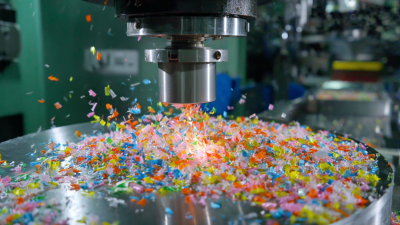
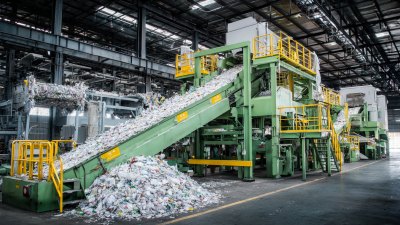
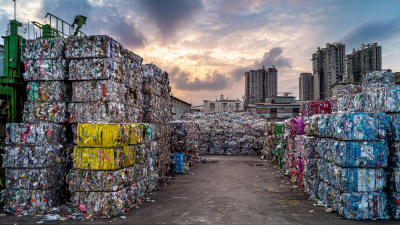
Slow edge crushers have several common applications across various industries. They are particularly valued in the recycling sector. These machines effectively process materials like plastics, wood, and metals. Their slow-speed operation minimizes dust and reduces noise, making them suitable for urban environments.
One of the key benefits of slow edge crushers is their ability to handle tough materials. They often crush items that other equipment may struggle with. This durability makes them ideal for waste management facilities. Consider how they can efficiently break down bulky items without generating excessive wear.
Tips for using slow edge crushers: Always ensure the machine is properly maintained. Regular inspections help prevent downtime. Operators should be aware of their material limits. Overloading can cause damage. Pay attention to the feed rate; it affects efficiency. Remember, slow and steady often yields the best results.
Top Slow Edge Crusher Applications and Benefits
Comparison with Other Types of Crushers
Slow edge crushers stand out for their unique operating mechanism, designed specifically for various materials. Unlike traditional crushers, they operate at a slower speed, which leads to less dust production. This feature makes them ideal for sensitive environments. They excel in processing rubber, plastics, and soft metals.
When comparing slow edge crushers to impact or cone crushers, the differences become clear. Impact crushers generate high-speed collisions, often leading to excessive wear and less control over size reduction. In contrast, slow edge crushers provide a more controlled and uniform output. Cone crushers are efficient but can struggle with softer materials. Slow edge crushers overcome this limitation, offering versatility in material handling while maintaining integrity.
Choosing the right crusher depends on your specific needs. Understanding the strengths and weaknesses of each type is crucial. While slow edge crushers excel in certain applications, they may not be suitable for high-throughput scenarios. It's essential to weigh these factors based on your operational context.
Maintenance and Operation Tips for Slow Edge Crushers
Slow edge crushers are known for their efficiency. However, proper maintenance is key to ensuring they function effectively. Regularly inspect the blades for wear and tear. A dull blade can lead to poor performance and increased energy consumption.
Lubrication is vital. Ensure all moving parts are well greased. This reduces friction and prolongs the life of the machine. It's easy to overlook, but inadequate lubrication can lead to mechanical failures.
Consider the operational environment. Dust and debris accumulation can hinder performance. Regular cleaning is a simple yet effective practice. Operators should be trained to recognize signs of strain. Listening for unusual noises can be crucial in early detection of mechanical issues.
Top Slow Edge Crusher Key Benefits and Applications
| Benefit/Application |
Description |
Maintenance Tips |
Operational Tips |
| Energy Efficiency |
Slow edge crushers generally consume less power compared to fast crushers due to lower operational speeds. |
Regularly check and lubricate moving parts to reduce energy waste. |
Monitor load levels to avoid overloading and improve efficiency. |
| Versatility |
Suitable for a variety of materials, including various plastics, metals, and organic waste. |
Clean the feeding area frequently to prevent contamination between materials. |
Adjust speed settings according to the material type being processed. |
| Reduced Noise Levels |
Operates at lower noise levels, making it suitable for indoor use or noise-sensitive environments. |
Ensure noise-dampening materials are in place around the crusher. |
Conduct routine sound checks to ensure compliance with regulations. |
| Lower Maintenance Costs |
Less wear and tear on components due to slower operation, resulting in longer lifespan. |
Schedule regular inspections to identify wear before it escalates. |
Train operators on best practices to minimize accidental damages. |
| Safety Features |
Typically designed with advanced safety mechanisms to protect operators. |
Verify safety features regularly to ensure they are functional. |
Conduct safety drills with operators to enhance awareness of emergency protocols. |