Best Practices for Plastic Recycling Grinders to Improve Efficiency and Reduce Waste
In an era where sustainable practices are increasingly crucial for environmental preservation, the role of efficient waste management systems cannot be overstated. Among these systems, the use of a Plastic Recycling Grinder has emerged as a vital tool for optimizing the recycling process. By effectively shredding and processing plastic materials, these grinders play a significant part in reducing waste and enhancing the overall efficiency of recycling operations. Their ability to convert plastic waste into smaller, manageable pieces not only increases the quality of recycled materials but also facilitates their reuse in manufacturing new products.
Implementing best practices within the operation of Plastic Recycling Grinders is essential for maximizing their benefits. This includes maintaining machines, selecting appropriate grinding techniques, and ensuring that the right types of plastics are processed. By focusing on these aspects, recycling facilities can improve throughput, minimize energy consumption, and significantly reduce the volume of waste sent to landfills. As we explore strategies and methodologies for optimizing the use of Plastic Recycling Grinders, we pave the way for a more sustainable future, highlighting their crucial role in the circular economy.
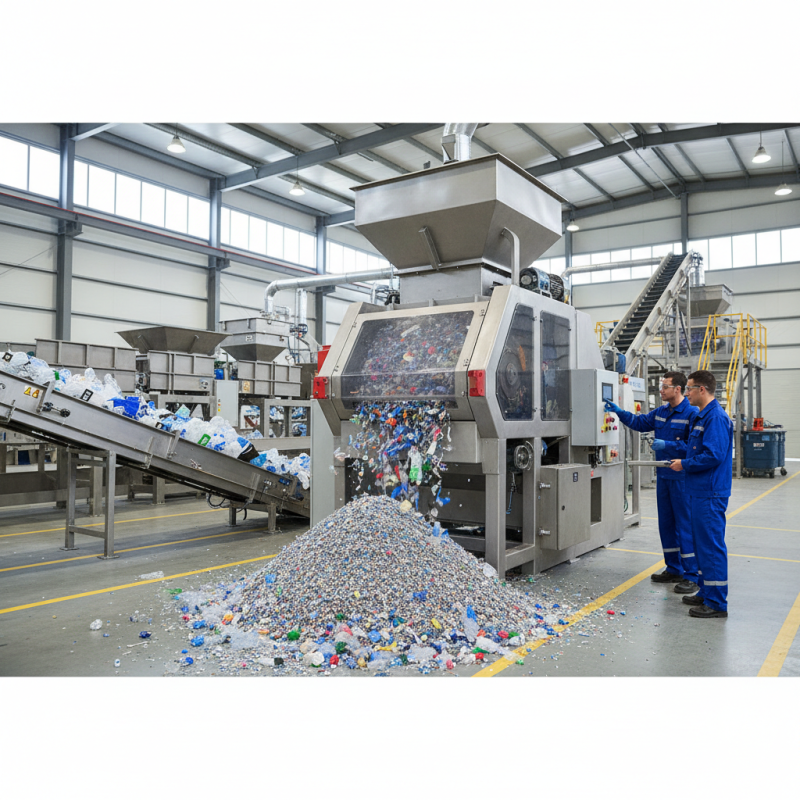
Understanding the Role of Plastic Recycling Grinders in Waste Management
Plastic recycling grinders play a critical role in the waste management ecosystem by facilitating the efficient processing of plastic materials. These machines are designed to break down large plastic waste into manageable sizes, making it easier to recycle and repurpose. Recent industry reports indicate that effective grinding can improve the recycling rate of plastics by up to 30%, significantly reducing the volume of waste that ends up in landfills. By ensuring that plastics are uniformly processed, grinders also enhance the quality of the recycled materials, which is crucial for downstream applications and the overall effectiveness of recycling programs.
In addition to improving recycling rates, plastic recycling grinders contribute to the sustainability efforts of various sectors. According to a study published by the Environmental Protection Agency (EPA), for every ton of plastic that is recycled, approximately 1.1 tons of greenhouse gas emissions are avoided. Utilizing advanced grinding technology can further optimize this process; equipped with features such as adjustable settings for various materials and energy-efficient motors, modern grinders minimize energy consumption while maximizing output quality. As organizations strive to meet ambitious recycling targets, the efficiency of grinders becomes increasingly paramount in reducing plastic waste and promoting a circular economy.
Key Features of Effective Plastic Recycling Grinders for Improved Performance
When selecting plastic recycling grinders, several key features significantly enhance their performance and efficiency. Firstly, the design and construction quality of the grinder play a crucial role. High-quality materials that resist wear and tear ensure longevity, while a robust design minimizes vibration and noise, leading to a safer and more comfortable working environment. Additionally, grinders equipped with adjustable screens allow operators to customize the particle size according to specific recycling needs, enabling better quality control of the end products.
Another essential feature is the motor efficiency and power. Grinders with high-torque motors typically offer faster processing times, reducing energy consumption and improving throughput. This not only increases operational efficiency but also lowers energy costs, making the recycling process more sustainable. Furthermore, advanced cooling systems help prevent overheating, ensuring that the machines run smoothly for extended periods without a drop in performance.
Lastly, user-friendly controls and maintenance access are vital for operational efficiency. Grinders that feature intuitive interfaces simplify operation, allowing for quick adjustments and reduced downtime. Easy access for maintenance ensures that machines can be serviced swiftly, which is crucial for sustaining high performance levels. Overall, a combination of these key features allows plastic recycling grinders to maximize efficiency while minimizing waste, paving the way for a more sustainable recycling process.
Best Practices for Operating Plastic Recycling Grinders to Maximize Efficiency
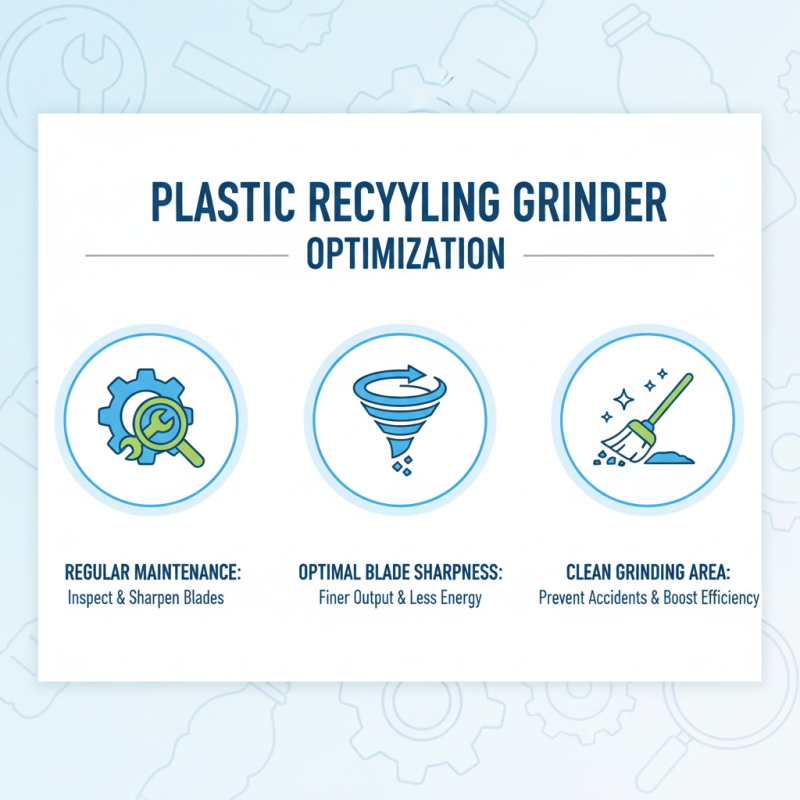
Operating plastic recycling grinders requires a combination of technical knowledge and practical strategies to ensure maximum efficiency. One best practice is to conduct regular maintenance on the grinder, which includes routine inspections, sharpening blades, and checking for wear and tear. By maintaining optimal blade sharpness, operators can significantly enhance the grinding process, leading to a finer plastic output and reducing energy consumption. Additionally, it's crucial to keep the grinding area clean and free of debris to prevent accidents and combat inefficiencies.
Another key aspect to consider is the proper sorting of plastic materials before they enter the grinder. Ensuring that only the appropriate types of plastics are processed can drastically improve the overall efficiency of the operation. Contaminants or mixed materials may clog the grinder or lead to inconsistent particle sizes, which negatively affects downstream processing. Training staff to sort materials effectively can streamline this process, making the grinder work more effectively and minimizing waste generation. By focusing on these operational best practices, facilities can optimize their plastic recycling efforts and contribute to more sustainable waste management solutions.
Maintenance Tips for Plastic Recycling Grinders to Extend Equipment Lifespan
Regular maintenance of plastic recycling grinders is crucial to ensure optimal performance and longevity of the equipment. One of the key practices is to implement a scheduled cleaning routine. Accumulated plastic particles and dust can significantly reduce the grinder's efficiency and lead to potential malfunctions. By routinely removing debris from the grinding chamber and blades, operators can prevent clogs and ensure a smooth operation, which ultimately translates to higher output and reduced downtime.
Another essential maintenance tip involves regularly checking and replacing worn or damaged components. Parts such as blades, screens, and bearings are subject to wear and tear due to the constant friction and impact encountered during grinding. By monitoring these components and replacing them when necessary, operators can maintain the grinder's effectiveness and prevent costly breakdowns. Additionally, lubricating moving parts can help minimize friction, which not only extends the lifespan of the equipment but also improves energy efficiency, contributing to more sustainable recycling processes.
Best Practices for Plastic Recycling Grinders to Improve Efficiency and Reduce Waste
| Practice |
Description |
Expected Outcome |
| Regular Maintenance |
Perform routine checks and replace worn-out parts. |
Increased equipment lifespan and reliability. |
| Sharp Blades |
Keep blades sharp for optimal cutting performance. |
Improved material size reduction and reduced energy consumption. |
| Material Sorting |
Sort materials before grinding. |
Reduced contamination and improved recycling quality. |
| Feeding Rate Control |
Control the speed of feeding materials into the grinder. |
Enhanced grinding efficiency and reduced blockages. |
| Heat Management |
Monitor operating temperature and use cooling systems. |
Prevent overheating and extend equipment life. |
Innovative Technologies Enhancing Plastic Recycling Grinder Operations Today
Innovative technologies are transforming plastic recycling grinder operations, enhancing efficiency and reducing waste in remarkable ways. The integration of automation and smart sensors in grinding machines is streamlining the recycling process. These advancements allow for real-time monitoring of equipment performance and feedback on operational parameters. By leveraging data analytics, facilities can optimize their grinding processes, ensuring that the machinery operates at peak efficiency and minimizing energy consumption.
Moreover, innovations such as advanced blade designs and variable speed controls have significantly improved the effectiveness of plastic shredding. Modern grinders can easily adapt to different types of plastics, reducing contamination and increasing the quality of recyclable materials produced. These technologies not only enhance the mechanical performance but also contribute to sustainability by maximizing the recovery of valuable materials, ultimately leading to a more circular economy. Embracing these technological advances is essential for recycling operations striving to meet increasing demands for efficient and eco-friendly waste management solutions.