What is a Plastic Shredder Machine and How Does It Work?
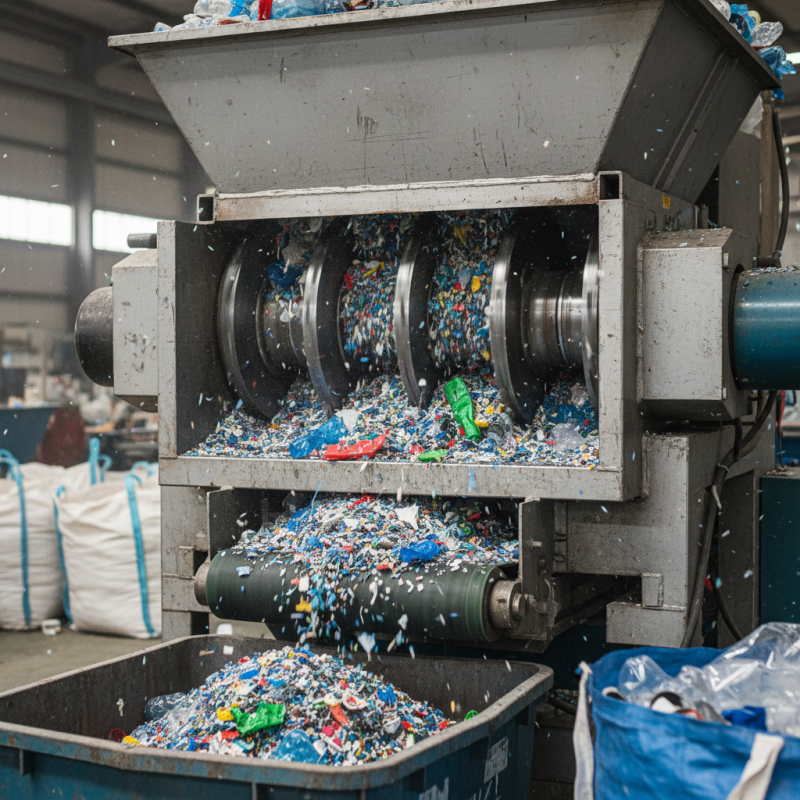
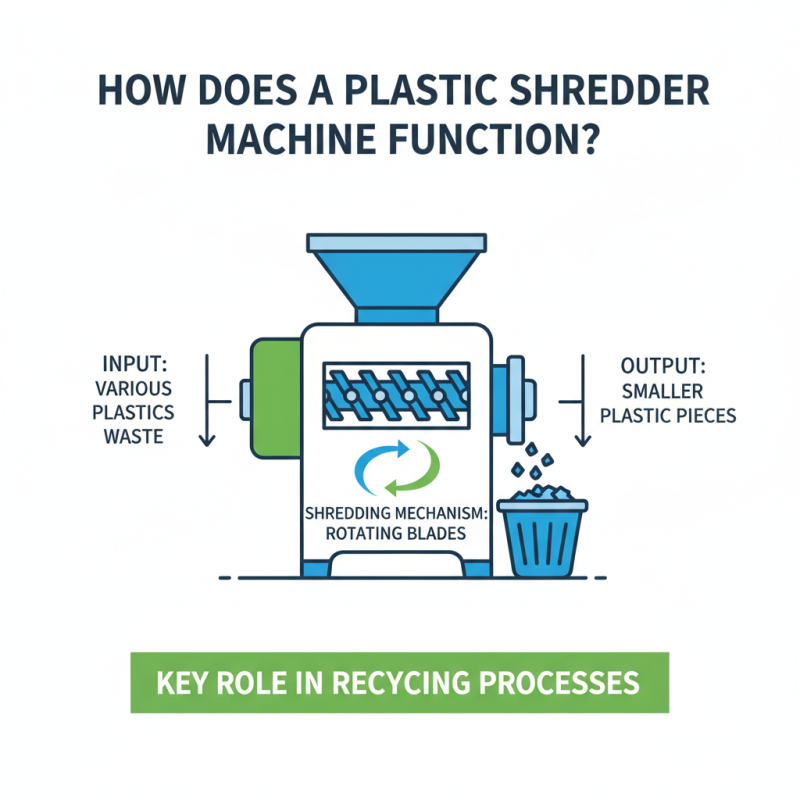
A Plastic Shredder Machine plays a crucial role in recycling plastic waste. It transforms large plastic items into smaller, manageable pieces. This process helps in reprocessing materials for new products.
The machine operates with sharp blades that slice through plastic. Different types of plastics can be shredded with varying adjustments. Often, users find that optimizing blade settings requires experimentation. Using a Plastic Shredder Machine effectively demands some trial and error.
Many industries benefit from this technology. It reduces costs and encourages sustainability. However, the initial setup can be complex. Users should be mindful of safety precautions. Understanding the machine's operation can prevent accidents and improve efficiency. Embracing a Plastic Shredder Machine involves continual learning and adaptation.
What is a Plastic Shredder Machine?
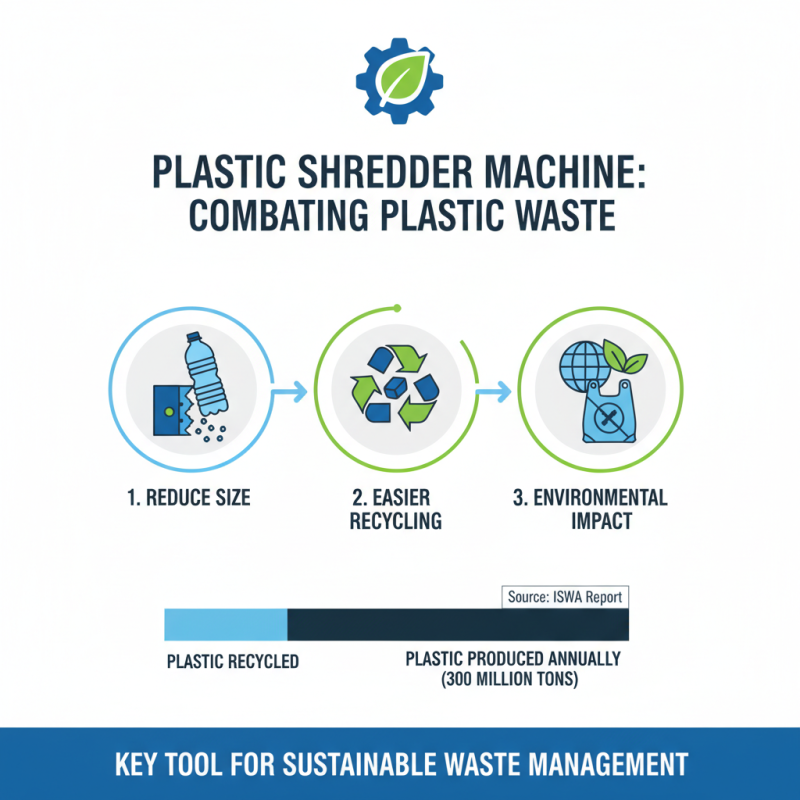
A plastic shredder machine is a crucial tool in waste management. It is designed to reduce plastic waste into smaller pieces. This process makes recycling easier and more efficient. According to a report by the International Solid Waste Association, around 300 million tons of plastic are produced annually, leading to significant environmental issues. Shredders help combat this problem.
These machines use sharp blades to cut plastic into granules. They come in various sizes and power options. Some can handle large items like bottles and containers. Other models work best for thin materials. Inefficiencies can arise if the plastic type is unsuitable for the machine's design. Operational costs can also be high if the energy consumption is not considered.
The output size varies depending on the machine settings. Ideally, shredded plastic should be uniform. However, achieving consistency can be challenging. Operators may need to test settings multiple times. This trial-and-error approach can lead to wasted materials. Yet, the importance of efficient plastic shredding cannot be overstated. It plays a vital role in creating a circular economy.
Main Components of a Plastic Shredder Machine
A plastic shredder machine is essential in recycling. Understanding its components can illuminate its importance. It typically consists of four main parts:
the hopper, blades, motor, and frame.
The hopper is where the plastic materials are loaded. It is usually wide and funnel-shaped, allowing for easy feeding.
Next, the blades play a crucial role. They are sharp and powerful, designed to chop plastic into smaller pieces. Different types of blades can be used depending on the desired size of the output. The motor powers these blades and determines the shredding speed. A robust motor is necessary, but it can sometimes lead to overheating during heavy use.
Lastly, the frame holds everything together. It needs to be durable to withstand constant use. Each component must fit well to function efficiently. If one part malfunctions, the whole system can suffer. Regular maintenance is essential, but some users overlook it. A neglected shredder can cause delays and inefficiencies. Understanding these parts helps one appreciate the machine's complexity.
Applications of Plastic Shredder Machines in Recycling
Plastic shredder machines play a critical role in recycling efforts. They help in breaking down plastic waste into smaller pieces. These small pieces can then be processed for reuse. According to a report from the International Solid Waste Association, around 50 million tons of plastic waste is generated globally each year. Only 9% is effectively recycled. This highlights the need for better recycling methods, including the use of shredders.
The applications of plastic shredders extend beyond just recycling. They are essential in waste management, industrial processing, and even in energy recovery. Shredded plastic can be converted into pellets for remolding. This process reduces the volume of waste, making it easier to transport. Additionally, a study by the Ellen MacArthur Foundation found that improving recycling technologies could result in a $200 billion economic opportunity. However, challenges remain with contamination and sorting. One small mistake can compromise entire batches. This indicates a need for better training and awareness in the recycling industry. The future looks promising, but there’s much to address.
What is a Plastic Shredder Machine and How Does It Work? - Applications of Plastic Shredder Machines in Recycling
| Dimension |
Value |
| Machine Type |
Single Shaft |
| Processing Capacity |
300 kg/h |
| Motor Power |
22 kW |
| Shred Size |
10 mm - 40 mm |
| Weight |
800 kg |
| Applications |
Plastic Waste, Film, Bottles |
| Recycling Rate |
Up to 95% |
| Number of Blades |
6 - 12 |
Benefits of Using Plastic Shredder Machines in Waste Management
Plastic shredder machines play a crucial role in waste management. They reduce plastic materials into small pieces. This process makes recycling easier and more efficient. By shredding plastics, they occupy less space in landfills. As a result, we can improve our environment.
Using plastic shredders has multiple benefits. They help in reducing waste volume significantly. Smaller pieces allow for easier transport and processing. Shredded plastic can be recycled into new products, reducing the need for virgin materials. This not only saves resources but also lowers carbon emissions.
Tips: Ensure that the machine is suitable for the type of plastic you are shredding. Regular maintenance is key—keep blades sharp for optimal performance. Remember, not all plastics are recyclable. Before shredding, check local guidelines to avoid contamination issues.
Plastic Shredder Machines in Waste Management