What is a Rubber Tire Shredder and How Does it Work for Recycling
In an age where environmental sustainability is paramount, innovative solutions are increasingly being sought to tackle the growing issue of waste. One significant player in the recycling industry is the Rubber Tire Shredder, a machine designed specifically to process used tires into manageable and reusable materials. As millions of tires are discarded each year, the need for effective recycling methods has never been more pressing. The Rubber Tire Shredder not only reduces the volume of waste but also enables the transformation of old tires into valuable raw materials that can be repurposed in various industries.
The functioning of a Rubber Tire Shredder is both intricate and efficient, employing a series of cutting mechanisms that fragment tires into smaller pieces. These shreds can then be further processed and utilized in applications ranging from construction to playground surfaces. Understanding how a Rubber Tire Shredder operates is essential in recognizing its pivotal role in recycling efforts and waste management strategies. By breaking down the math behind its mechanics, we can explore the environmental benefits it offers while reducing the strain on landfills and promoting a circular economy.
Definition of Rubber Tire Shredder and Its Importance in Recycling
A rubber tire shredder is a specialized machine designed to break down used tires into smaller pieces, facilitating their recycling and repurposing. This machinery plays a crucial role in the tire recycling process by converting end-of-life tires, which pose significant environmental hazards, into manageable rubber particles. According to the Tire Industry Association, approximately 300 million tires are discarded in the United States annually, making recycling initiatives vital for reducing waste and promoting sustainability. By shredding tires, businesses can reclaim valuable materials, drastically minimizing landfill contributions and conserving natural resources.
The importance of rubber tire shredders in recycling cannot be overstated. Tire-derived materials are a treasure trove for various industries, with shredded rubber being repurposed for asphalt, playground surfaces, and even civil engineering applications. A report by the U.S. Environmental Protection Agency highlights that recycling 10% of the discarded tires in a year can result in an economic benefit of over $100 million while conserving energy equivalent to powering 50,000 homes for a year. Furthermore, the reduction of harmful emissions and the promotion of circular economy principles underscore the value of tire shredding technology. By effectively processing tires, shredders are integral to promoting a sustainable future and the responsible management of tire waste.
Components of a Rubber Tire Shredder: A Breakdown of Key Parts
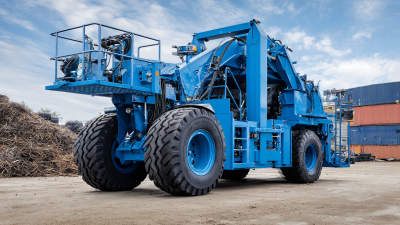
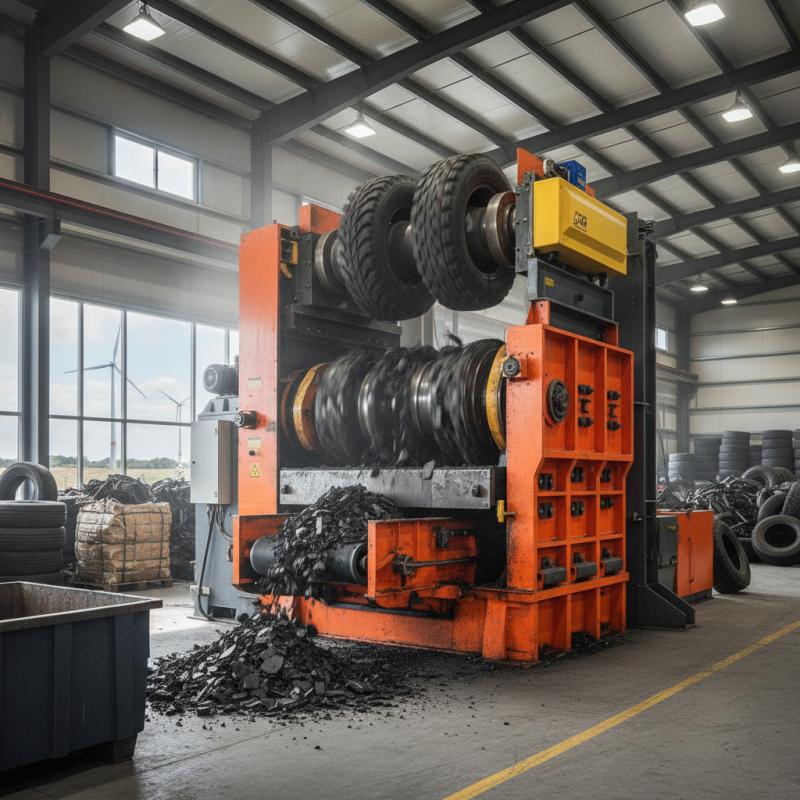
A rubber tire shredder is a crucial piece of machinery in the recycling industry, designed to transform used tires into manageable pieces for further processing. Understanding its components can help us appreciate how it efficiently reduces tires to smaller particles. Key parts of a rubber tire shredder include blades, hoppers, and discharge belts. The knives, often made of high-carbon steel, are particularly vital as they maintain durability and sharpness, ensuring effective shredding. The hopper acts as the initial entry point for tires, feeding them into the shredding chamber where the blades do their work. Lastly, the discharge belt transports the shredded rubber for further processing or sale.
According to industry reports, the global tire recycling market is expected to reach approximately $14.6 billion by 2027, underlining the importance of rubber tire shredders in the recycling ecosystem. These machines not only help in waste management but also support the development of sustainable products from recycled rubber, such as playground surfaces and rubberized asphalt.
Tips for ensuring optimal performance of a tire shredder include regular maintenance checks on the blades to prevent dullness, which can lead to inefficient shredding and increased operational costs. Also, monitoring the feed rate of tires can help balance the load, reducing wear on the machinery and extending its lifespan. By understanding the components and best practices of rubber tire shredders, companies can maximize their recycling efforts and contribute to a more sustainable future.
What is a Rubber Tire Shredder and How Does it Work for Recycling - Components of a Rubber Tire Shredder: A Breakdown of Key Parts
| Component |
Function |
Material |
Dimensions (inches) |
Weight (lbs) |
| Shredder Blades |
Cut tires into smaller pieces |
High carbon steel |
4 x 2 |
50 |
| Feeding Hopper |
Holds tires before shredding |
Mild steel |
60 x 40 x 30 |
75 |
| Screening System |
Separates shredded material by size |
Stainless steel |
48 x 48 |
80 |
| Conveyor Belt |
Transports shredded material |
Rubber and steel |
30 x 10 |
100 |
| Hydraulic Drive |
Powers the shredder mechanism |
Aluminum |
20 x 15 |
60 |
The Shredding Process: How Rubber Tires are Transformed into Shreds
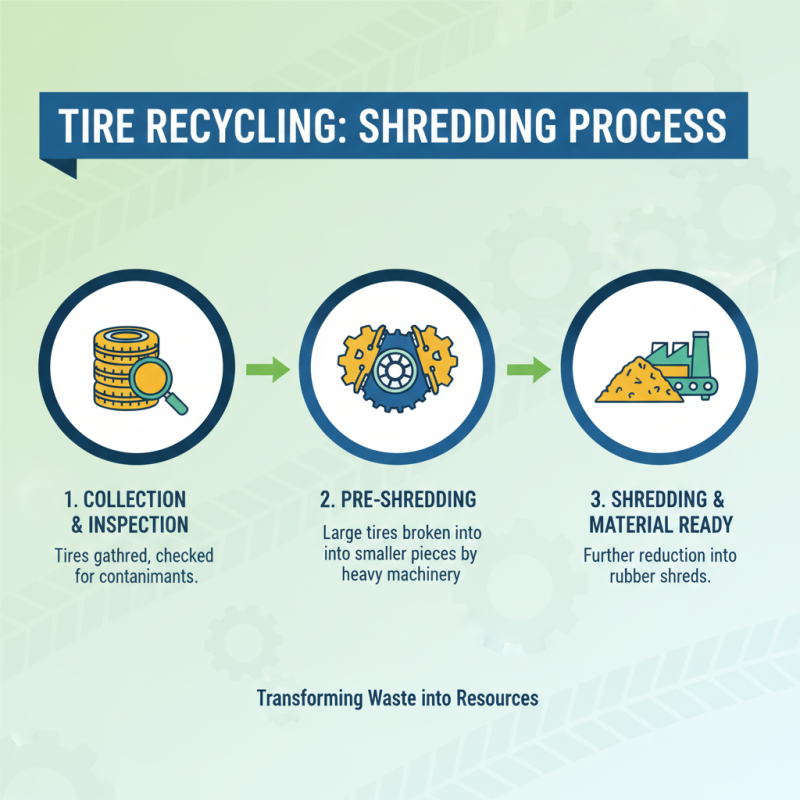
The shredding process of rubber tires is a crucial step in recycling that transforms discarded tires into usable materials. Initially, the tires are collected and transported to a recycling facility, where they are inspected for any unwanted contaminants. Once cleared, the tires undergo a pre-shredding phase, where large tires are broken down into smaller pieces to facilitate the shredding process. This is typically done using massive machinery that can efficiently cut through the tough rubber material.
Following the pre-shredding, the tire pieces are fed into a shredder equipped with sharp blades that work in tandem to tear apart the rubber. The shredder operates at various speeds and forces, depending on the type of rubber and the desired size of the shreds. The result is small rubber particles that can be further processed and repurposed. Additional steps may involve granulation, where the rubber is ground into finer particles, and steel separation, which removes any metal components. Ultimately, this meticulous shredding process enables the recycling of rubber tires, allowing the material to be reused in various applications, from playground surfaces to asphalt production.
Applications of Shredded Rubber: Uses in Various Industries
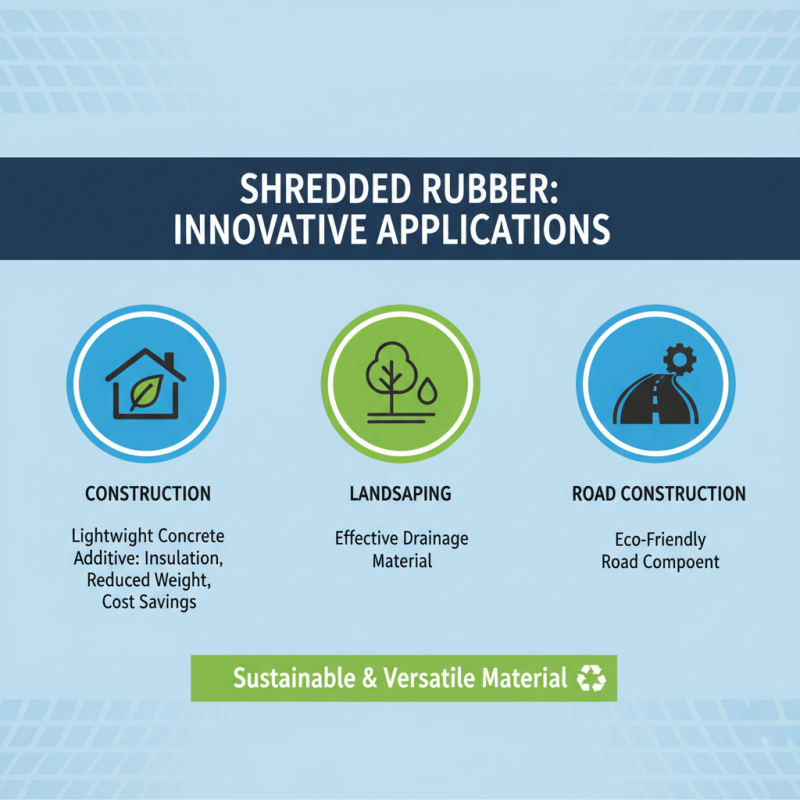
Shredded rubber, produced by rubber tire shredders, has found a multitude of applications across various industries due to its unique properties. In the construction sector, shredded rubber is used as a lightweight aggregate in concrete, enhancing the material's insulation properties while reducing the overall weight. This application not only helps in improving sustainability but also contributes to cost savings in construction projects. Additionally, it serves as an effective drainage material for landscaping and as a component in eco-friendly road construction.
In the automotive industry, shredded rubber is often utilized for making rubber mats, soundproofing materials, and even as a component in new tire manufacturing. It provides excellent insulation and durability, making it an ideal choice for products designed to withstand the rigors of vehicle use. Moreover, in playgrounds and sports fields, shredded rubber is used as a safety surface, cushioning impacts and providing a resilient, slip-resistant area for children and athletes alike.
**Tips:** When considering the use of shredded rubber, always check local regulations regarding its application in construction or landscaping to ensure compliance. Additionally, explore recycling programs in your area that support the collection and processing of used tires, contributing positively to environmental sustainability. Lastly, look for innovative ways to incorporate shredded rubber into your projects to maximize its benefits.
Environmental Benefits of Tire Recycling: Why It Matters
Tire recycling is not just a practical solution for waste management; it also offers significant environmental benefits that are crucial in today's eco-conscious society. According to a report by the U.S. Environmental Protection Agency (EPA), approximately 290 million scrap tires are generated annually in the United States alone. Recycling these tires can conserve natural resources, as the process recovers valuable materials such as rubber, steel, and fiber. By reprocessing old tires, we can reduce the need for raw materials and energy required in new tire production, which is pivotal in minimizing greenhouse gas emissions.
Moreover, tire recycling significantly cuts down on environmental hazards. Scrap tires are known to accumulate water, creating ideal breeding grounds for disease-carrying pests, such as mosquitoes. In fact, the CDC states that the proper disposal and recycling of tires can reduce the risk of vector-borne diseases. Implementing tire recycling programs also alleviates the stress on landfills, where tires can take up substantial space and remain intact for hundreds of years. By diverting these materials, communities can foster cleaner environments and promote sustainable practices.
Tips for effective tire recycling include participating in local recycling events, supporting businesses that prioritize eco-friendly disposal methods, and learning about proper tire storage to prevent accumulation in your community. Additionally, consider repurposing old tires for personal projects, such as garden planters or playground surfaces, to extend their lifecycle.