Ultimate Tips for Choosing the Best Plastic Recycling Grinder?
Choosing the right Plastic Recycling Grinder is crucial for efficiency and sustainability. According to Dr. Emily Carter, a leading expert in recycling technologies, "The right grinder can significantly enhance recycling processes." Her insights highlight the importance of selecting the best grinder.
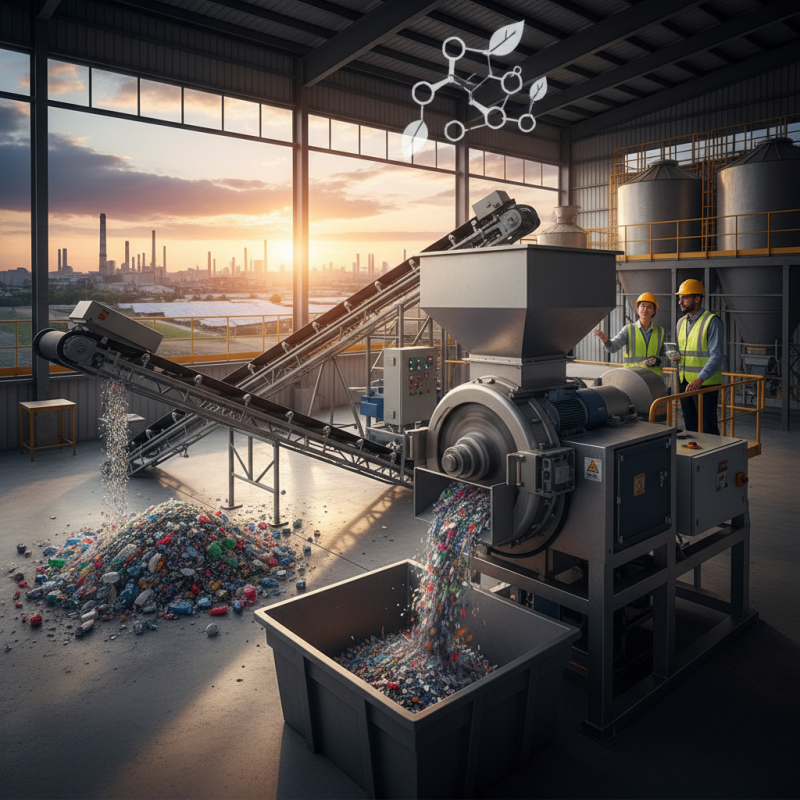
A Plastic Recycling Grinder breaks down plastic waste into smaller, manageable pieces. This is the first step towards creating new products from recycled materials. Many businesses struggle with this selection. They often don't know how to evaluate the options available in the market.
Understanding the features of a high-quality grinder can make a difference. Factors like size, capacity, and power efficiency are vital. Dr. Carter emphasizes that, “Not every grinder suits every type of plastic.” This indicates the need for thoughtful consideration. The ideal grinder must meet the specific needs of the recycling operation. Exploring the market can feel overwhelming, yet the right choice leads to better outcomes.
Key Features to Look for in Plastic Recycling Grinders
When selecting a plastic recycling grinder, there are essential features to consider. These features can significantly influence recycling efficiency. One crucial aspect is the grinder's capacity. Industry data indicates that grinders with higher throughput can process up to 1,200 kg of plastic per hour. This efficiency leads to faster recycling cycles and lower energy consumption.
Another key feature is the design of the blades. Sharp, durable blades are essential for achieving finer particle sizes. A study from the Plastics Recycling Foundation highlights that grinders with optimized blade geometry can improve grinding efficiency by 25%. Additionally, adjustable blade settings allow for flexibility in processing various plastic types, which is vital for diverse recycling applications.
Noise levels and energy usage are also important. Understanding noise output helps maintain a safe work environment. For instance, grinders with sound-dampening technology can operate at levels below 85 decibels, meeting occupational safety standards. Energy efficiency ratings are equally essential; selecting grinders with high efficiency can result in savings of around 20% on power costs, contributing to overall sustainability goals. These features not only ensure performance but also support long-term operational profitability.
Ultimate Tips for Choosing the Best Plastic Recycling Grinder
Types of Plastic Recycling Grinders and Their Applications
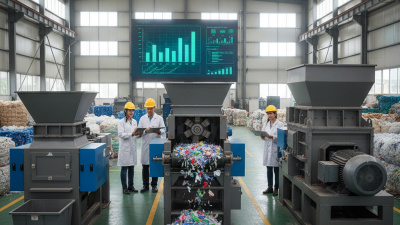
When it comes to plastic recycling, choosing the right grinder is crucial. Different types of plastic recycling grinders offer unique functionalities. For instance, there are single-shaft grinders, designed for large volumes of plastic waste. These machines utilize a single rotor to shred materials efficiently. They often handle tougher plastics, making them ideal for industrial applications.
Another option is the granulator. Granulators grind plastic into smaller particles, often used in manufacturing new plastic products. This type provides versatility in processing various plastic types. However, it may struggle with thicker materials. For lighter plastics, a shear shredder may work best. Shear shredders excel at cutting and shredding lighter residues, resulting in uniform particle sizes. Each type serves a specific need, and it's essential to consider the applications before making a choice.
Reflecting on the applications, I realize selecting the right grinder is not straightforward. Too often, users overlook the material properties and desired size of the output particles. Not all grinders are suited for every type of plastic. Understanding these nuances can make a significant difference in efficiency and output quality. It's important to weigh the benefits against the limitations of each option.
Factors Influencing Grinding Efficiency and Quality
Grinding efficiency and quality are critical in plastic recycling. Several factors influence these metrics. The type of plastics being processed can significantly affect the outcome. For instance, softer plastics like polyethylene grind more easily than harder types such as PET. According to a report by the Plastics Recycling Industry Association, facility efficiency drops by nearly 30% when grinding mixed materials.
Another essential factor is the grinder’s design. A well-designed grinder can minimize energy consumption and reduce noise levels. Studies indicate that optimizing screen size can also enhance output quality. For example, finer screens may yield more uniform particle sizes, providing better quality for subsequent processing steps. However, using screens that are too fine can lead to clogging and increased downtime.
Finally, operator skill plays a vital role in grinding operations. Improper feed rates or maintenance can lower efficiency. Industry best practices recommend regular training for operators to troubleshoot common issues. Monitoring grinding conditions can lead to continuous improvement. This holistic approach ensures that grinding processes remain efficient and effective while adapting to changing material compositions.
Ultimate Tips for Choosing the Best Plastic Recycling Grinder
| Factor |
Description |
Impact on Efficiency |
Impact on Quality |
| Grinder Type |
Different types (e.g., rotary, granulators) affect performance. |
High |
Medium |
| Motor Power |
Higher motor power can handle tougher materials. |
High |
High |
| Blade Material |
Quality blades lead to finer and more uniform grind. |
Medium |
High |
| Screen Size |
Larger screen sizes produce coarser materials. |
Medium |
Medium |
| Feeding Method |
Automatic vs. manual impacts efficiency of feed. |
High |
Low |
| Cooling System |
Effective cooling extends the life of the grinder. |
Medium |
Medium |
Maintenance Tips for Longevity of Plastic Grinders
When maintaining plastic grinders, focus on both
cleaning and
inspection. Regular cleaning prevents contamination
and improves efficiency. It's essential to remove plastic residue after each use. A simple
brush can go a long way in dislodging stubborn materials. Also, consider using a compressed
air system for deep cleaning.
Inspecting parts is crucial for longevity. Regularly check the blades for wear and tear.
Dull blades can slow down the grinding process and
affect the quality of the output. If you notice chips or cracks, replace them promptly.
Remember, replacing parts prevents bigger problems later.
Lubrication is key for smooth operation. Use appropriate lubricants on moving parts to avoid
friction. However, be cautious not to over-lubricate.
This could attract more dirt and debris. Finally, store your grinder in a dry place to
prevent rusting and damage. Taking these steps will ensure that your plastic recycling grinder remains reliable over time.
Cost Considerations and Budgeting for Your Grinder Purchase
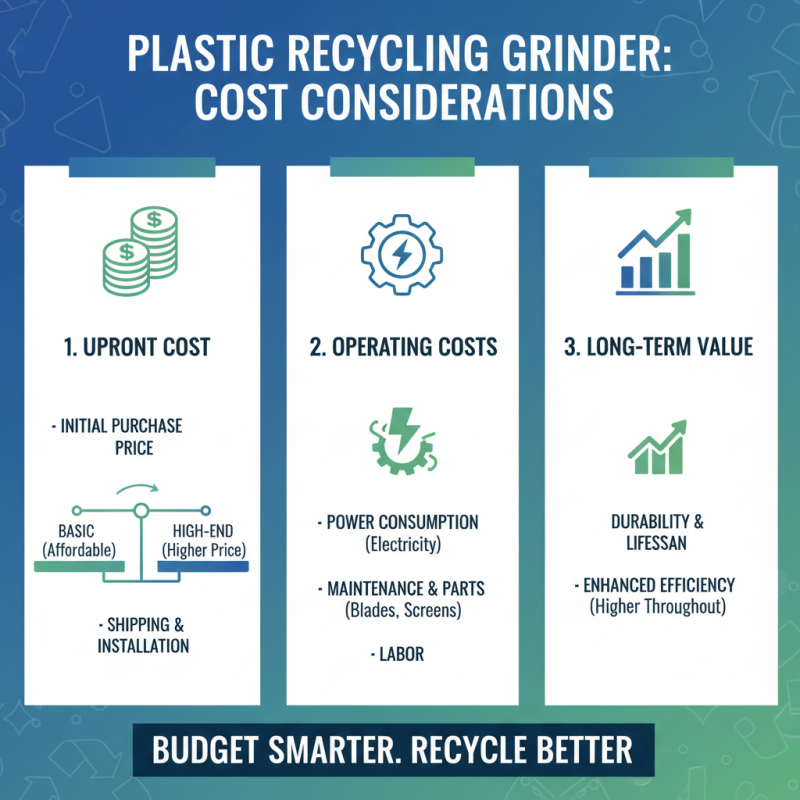
When investing in a plastic recycling grinder, budgeting is crucial. You need to consider both upfront and ongoing costs. The initial price can vary widely. Some basic models are affordable, but they may lack advanced features. Higher-end grinders come with enhanced efficiency and durability, which could justify the higher cost.
Hidden expenses often arise. Maintenance is one of them. Regular servicing keeps your grinder in top shape but can add to your yearly budget. Additionally, factor in electricity usage. A grinder that consumes more energy may lead to higher operational costs over time. Always think about the long-term picture when making a decision.
Finally, consider your output needs. If you're processing large volumes, it's wise to invest more upfront. Sometimes, cheaper models break down faster, leading to replacement costs. It's critical to strike a balance between cost and reliability. Researching different models and their longevity can yield significant savings later.