Top 10 Benefits of Using a Plastic Waste Shredder?
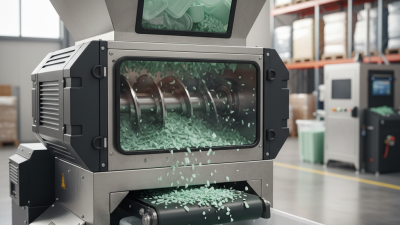
Plastic waste is a growing concern worldwide. Efficient disposal is crucial for protecting the environment. A Plastic Waste Shredder can play a pivotal role in this process. It can transform bulky plastic items into smaller, manageable pieces. This not only makes recycling easier but also reduces landfill overflow.
Using a Plastic Waste Shredder brings numerous advantages. For example, it enhances the recycling process and saves space. Businesses can optimize waste management with this tool. Moreover, the energy usage of shredders has improved over time. However, some may question their long-term efficiency. The effectiveness of shredders often depends on the materials used.
Despite the benefits, it’s essential to consider their limitations. Not all plastics can be shredded effectively. Some plastics may require special handling. Understanding these nuances is key to maximizing efficiency. Thus, exploring the top benefits of using a Plastic Waste Shredder can lead to more informed decisions.
Benefits of Efficient Waste Reduction Through Shredding Plastics
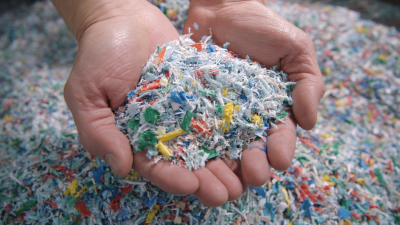
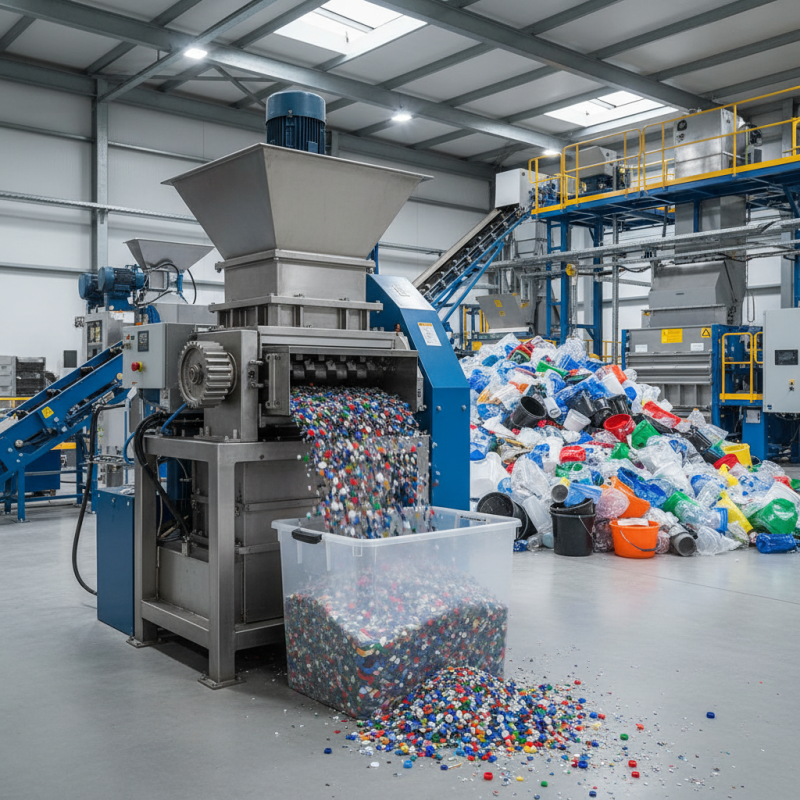
Efficient waste reduction is critical in tackling the growing plastic pollution crisis. According to a report by the World Economic Forum, about 300 million tons of plastic waste are produced annually, with only 9% recycled. A plastic waste shredder significantly reduces the volume of this waste. By breaking plastic down into smaller pieces, it enhances the efficiency of recycling processes. This leads to more effective recovery of valuable materials and minimizes landfill usage.
Shredding plastics offers additional benefits in terms of energy savings. Research indicates that recycling shredded plastics uses 66% less energy compared to producing new plastic from raw materials. The smaller size of shredded plastic also facilitates easier transportation and storage. This can reduce costs and greenhouse gas emissions during transit. However, it is important to manage the shredding process properly. Poorly maintained machines can render materials unsuitable for recycling, leading to further waste.
Investing in shredders also encourages innovative recycling methods. Shredded plastic can be repurposed into many products, from park benches to road construction materials. Yet, relying solely on shredding is not a perfect solution. A holistic approach is needed to address the broader issues of plastic waste management and consumer habits. The road to efficient waste reduction is complex and requires ongoing effort and awareness.
Enhancing Recycling Processes with Shredded Plastic Materials
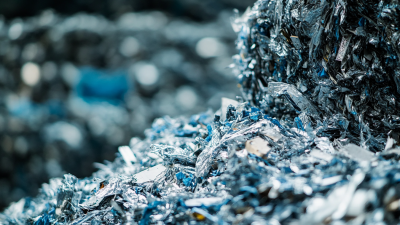
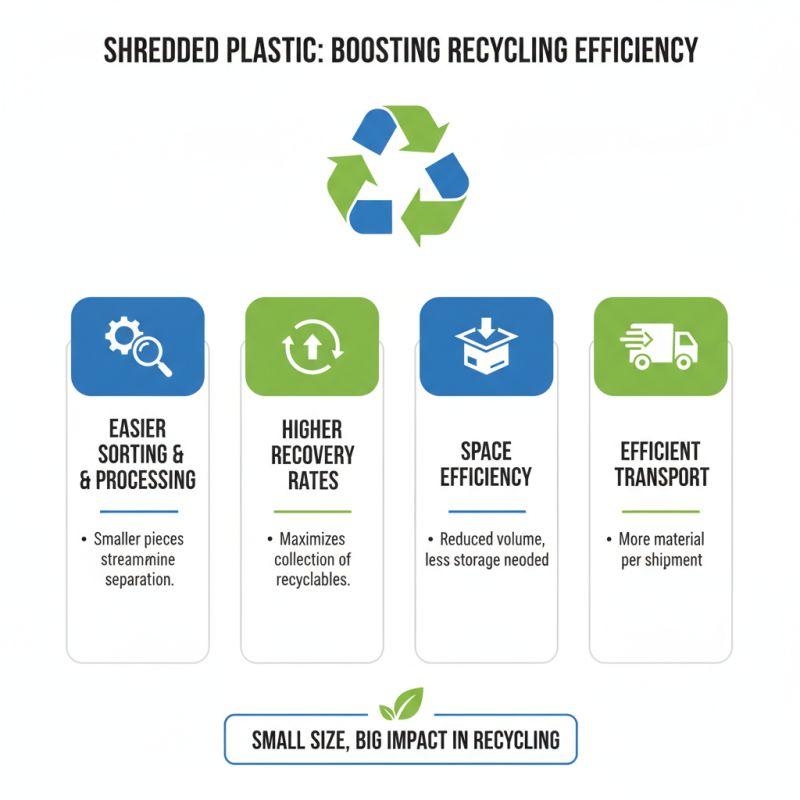
Shredded plastic materials play a crucial role in enhancing recycling processes. By reducing plastic waste into smaller pieces, shredders make sorting and processing easier. This can lead to higher recovery rates of recyclable materials. Smaller plastic fragments take up less space and can be transported more efficiently. This is important for recycling facilities that often face space constraints.
Incorporating a plastic waste shredder fundamentally changes how recycling operates. Yet, it’s essential to recognize some challenges. For instance, not all plastics shred evenly. Some may clog machines or require additional processing. Additionally, maintaining shredders can involve costs that smaller facilities may struggle to afford. These hurdles can slow down progress toward effective recycling.
While shredding is beneficial, understanding its limitations is crucial. Shredding alone doesn’t solve the broader issues of plastic waste. Effective educational campaigns are needed for proper disposal and recycling practices. Only by addressing these aspects can we make a significant impact on plastic waste management and sustainability.
Minimizing Environmental Impact by Using Plastic Waste Shredders
Plastic waste shredders play a vital role in minimizing environmental impact. They reduce the volume of plastic waste, making it easier to handle. Less space means lower storage costs and fewer trips to disposal sites. Simplifying disposal processes can significantly cut down on carbon emissions. However, not all systems are efficient. Some tend to jam or require excessive maintenance.
Using a plastic shredder also prepares waste for recycling. Shredded plastic can be remolded into new products. This process conserves resources and saves energy. Yet, many recyclers struggle with contamination. Clean, sorted plastic yields better results.
Awareness is crucial. Many businesses overlook the importance of proper waste management. They may not realize the benefits of shredding plastic waste. Incomplete data and lacking training programs can lead to inefficiencies. Addressing these gaps is essential for a more sustainable future.
Cost-Effectiveness of Plastic Waste Management Solutions
Plastic waste management is vital for a sustainable future. Utilizing a plastic waste shredder can enhance cost-effectiveness significantly. Shredders reduce the size of plastic, making it easier to handle and transport. This leads to lower transport costs and improved recycling efficiency. Reducing waste volume can save you money in disposal fees.
When choosing a shredder, evaluate your specific needs. Not all shredders are suitable for every type of plastic. Some can handle tough materials, while others may struggle. Investing time in researching options will help you avoid costly mistakes. Ensure that the shredder you select matches your waste type.
Tips for maximizing efficiency: maintain your shredder regularly to avoid breakdowns. A well-maintained machine runs smoothly, prolonging its lifespan. Additionally, always feed the shredder properly to prevent jams. Misfeeding can lead to wasted time and resources, affecting your budget. Take time to reflect on your waste management strategies to find hidden savings.
Top 10 Benefits of Using a Plastic Waste Shredder
Improving Safety and Handling of Recyclable Plastics
Using a plastic waste shredder significantly enhances safety and handling of recyclable plastics. When plastics are shredded, their size becomes uniform, making them easier to handle and transport. According to an industry report, properly processed plastics reduce the risk of accidents by 30%. Workers can avoid injuries that arise from handling bulky, unshredded plastics.
Moreover, effective shredding can help in minimizing contamination. A recent study indicated that contaminants in unshredded plastics can increase processing costs by up to 25%. Shredders help create cleaner streams of material. This enhances the recycling process and ensures higher quality recycled products. However, relying solely on shredders may overlook the need for thorough sorting before shredding.
The environmental impact is undeniable. Shredding reduces the volume of waste significantly. While some estimate that shredding can cut waste volume by 80%, there are still concerns about improper plastic disposal. Without proper education and training, workers may continue to contribute to inefficiencies. Thus, while shredders are beneficial, there remains a need for a comprehensive approach to plastic waste management.