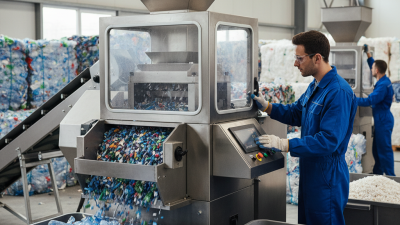
Top 5 Plastic Recycling Grinders for Efficient Waste Management?
In the ever-evolving landscape of waste management, the role of a Plastic Recycling Grinder has never been more crucial. Renowned industry expert Dr. Emily Carter, a leader in sustainable materials management, once stated, "Efficient grinding is the first step towards effective recycling." This emphasizes the importance of quality grinders in the recycling process.
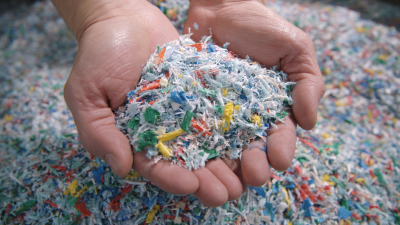
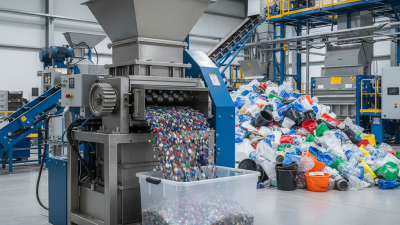
Plastic Recycling Grinders are vital in breaking down waste into manageable sizes, making it easier for recycling facilities to process. They transform unwanted plastics into reusable materials. Many companies struggle with choosing the right equipment for their needs. The effectiveness of a grinder can greatly influence the overall recycling efficiency.
Choosing the best Plastic Recycling Grinder isn't always straightforward. Some models may promise high efficiency but deliver inconsistent results. By considering factors such as durability, maintenance needs, and throughput, organizations can make informed decisions. Ultimately, an efficient grinder can lead to significant improvements in waste management practices.
Benefits of Using Plastic Recycling Grinders for Waste Management
Plastic recycling grinders are essential tools in waste management. They efficiently break down plastic waste into smaller, manageable pieces. This process makes recycling easier and more efficient. When waste is reduced in size, it becomes easier to transport and process. This can significantly increase the amount of plastic that is recycled.
Using these grinders also has environmental benefits. They help reduce the volume of plastic that ends up in landfills and oceans. By turning waste into reusable materials, we contribute to a more sustainable future. However, the operation of these machines requires careful attention. Not all plastics can be processed together. Mismanagement can lead to contamination and inefficiency.
Training staff to operate grinders safely is crucial. Regular maintenance can prevent breakdowns and increase reliability. Balancing efficiency with safety is a challenge. Finding the right balance requires ongoing evaluation and improvement. This is an area where many facilities can grow and innovate. Understanding these complexities can lead to better waste management practices.
Key Features to Consider When Choosing a Recycling Grinder
When selecting a plastic recycling grinder, key features can significantly affect efficiency and usability. Capacity is vital. A grinder that processes larger volumes can save time. However, it’s important to balance size with your operational needs. A compact model may be suitable for smaller facilities or mobile applications.
Power and motor type also matter. A powerful motor ensures quick shredding of tough plastics. Look for machines with adjustable speed settings. This allows operators to customize the grinding process according to the material type, enhancing output quality.
Durability and maintenance are crucial for long-term use. Choose grinders made from robust materials. Easy access to internal components for cleaning and repairs can save time and costs. Additionally, consider safety features. Emergency stops and protective covers are essential to ensure operator safety, especially in busy environments.
Top 5 Plastic Recycling Grinders - Efficiency Comparison
Top 5 Plastic Recycling Grinders and Their Specifications
When selecting plastic recycling grinders, it's essential to focus on specific features and performance metrics. Efficiency, durability, and ease of use are vital criteria. Many grinders excel in size reduction, creating smaller plastic particles. However, the quality of the output can vary significantly. Some models achieve a high level of consistency, while others may leave larger fragments. It's crucial to analyze particle size distribution for optimal recycling processes.
Power is another critical aspect. Grinders can range from 1 to 10 horsepower. A higher power rating often results in better performance in terms of throughput. Yet, more power also means increased energy consumption, which could raise operating costs. Designing a balance between power and efficiency should be a priority.
User feedback often highlights maintenance as a significant concern. Some grinders require frequent blade replacements, while others have longer-lasting components. Ease of access to parts for cleaning is also essential. Choices made here can significantly impact long-term operational viability. Evaluating not just the specifications but also practical experiences can guide users toward the right grinder.
Comparative Analysis of Performance and Efficiency of Top Grinders
In the realm of plastic recycling, choosing the right grinder significantly impacts performance. Analyzing various grinders reveals diverse features and functionalities. A key aspect is the size of the feed opening. Larger openings allow for bulkier materials, but they may lead to inconsistent shredding. Smaller openings often yield finer particles but can cause jams with larger items.
Efficiency is another critical factor. Some grinders operate quietly, making them suitable for urban environments. Others focus on speed, processing large volumes quickly. However, faster isn’t always better; it can increase wear and tear. Reliability in long-term use varies. Some machines may require frequent maintenance, which can incur extra costs. Comparing power consumption is also essential, as more energy-efficient models can reduce operational expenses.
Not all models are perfect. Some may struggle with specific plastics, resulting in poor output quality. It's vital to monitor the grinding process closely to ensure effectiveness. Performance can significantly fluctuate based on operator skill and material type, necessitating training for optimal use. Investing time in understanding these machines can lead to more informed decisions.
Top 5 Plastic Recycling Grinders for Efficient Waste Management
| Grinder Model |
Motor Power (HP) |
Throughput (kg/h) |
Particle Size (mm) |
Efficiency Rating (%) |
| Model A |
10 |
250 |
5 |
90 |
| Model B |
15 |
300 |
6 |
85 |
| Model C |
20 |
400 |
4 |
92 |
| Model D |
25 |
500 |
5 |
88 |
| Model E |
30 |
350 |
7 |
89 |
Maintenance Tips for Longevity of Plastic Recycling Grinders
Plastic recycling grinders are crucial for efficient waste management. To maximize their performance, regular maintenance is essential. Keeping the machine clean minimizes wear and tear. A clean grinder operates more efficiently, reducing energy consumption. Dust and plastic residue can accumulate in the blades and motor. Regularly inspect and clean these areas to maintain optimal performance.
Another tip is to lubricate moving parts. Proper lubrication reduces friction and prolongs the life of your grinder. Use manufacturer-recommended lubricants to avoid damage. However, avoid over-lubricating, as this can attract more debris and lead to complications. Regular checks for signs of wear, such as unusual noises or vibrations, are vital. Addressing issues early can prevent costly repairs.
Lastly, operator training is essential. Ensure all users understand the machine's functions and limitations. Misuse can lead to frequent breakdowns. Create a routine maintenance schedule, documenting each check and repair. This practice can prove invaluable in tracking the grinder's condition and predicting when it may need service. Regular attention to these tips will contribute significantly to the longevity of your plastic recycling grinder.