Top Rubber Tire Shredder for Global Buyers in 2026?
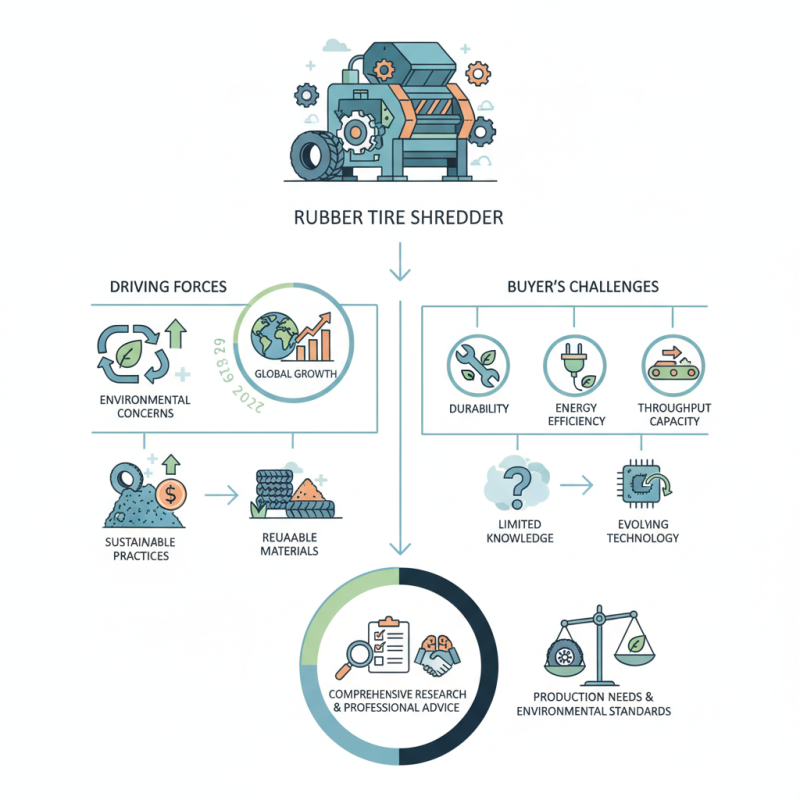
The global rubber tire shredding industry is on the brink of substantial growth. As we look towards 2026, the demand for effective Rubber Tire Shredder machines will likely surge. According to industry reports, the global tire recycling market is projected to reach USD 6 billion by 2026, driven largely by environmental concerns and the need for sustainable practices.
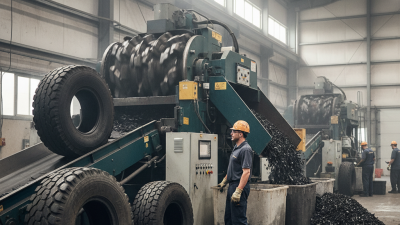
Rubber Tire Shredders play a critical role in this ecosystem. They aid in converting waste tires into reusable materials, thus minimizing landfill impact. Yet, not all shredders are equal. Buyers must navigate various factors including durability, energy efficiency, and throughput capacity.
Decision-making in this sector isn't straightforward. Limited knowledge about machine specifications can lead to costly mistakes. Additionally, the rapidly evolving technology presents challenges in choosing the right equipment. Therefore, understanding the market must be paired with comprehensive research and professional advice. It’s vital for buyers to weigh multiple options carefully, ensuring they find a Rubber Tire Shredder that meets both production needs and environmental standards.
Overview of Rubber Tire Shredders in the Global Market
The global market for rubber tire shredders is evolving rapidly. As environmental concerns grow, tire recycling remains a significant focus. These machines break down old tires into small pieces. By doing this, they facilitate the recycling process. The shredded rubber can be reused in various applications.
Market analysis shows a rising demand for these shredders. Industries are looking for efficient solutions to handle waste. Shredders vary in size and capacity, catering to different operational needs. Some models operate quietly, while others may struggle with larger tires. Buyers should consider maintenance and durability as key factors. Reliability of machinery can impact the overall efficiency of recycling processes.
However, challenges persist. Not all regions have the same standards for tire disposal. The technology behind shredders continues to improve. Yet, some operators might find it difficult to keep up with updates. Proper training is essential for effective operation. Buyers must prioritize learning to enhance productivity and reduce waste. The landscape of rubber tire shredders is dynamic and requires ongoing adaptation.
Top Rubber Tire Shredder for Global Buyers in 2026
| Region |
Market Share (%) |
Projected Growth Rate (%) |
Key Applications |
Environmental Impact |
| North America |
30% |
6.5% |
Material Recovery, Energy Generation |
High Recycling Rate |
| Europe |
28% |
5.8% |
Asphalt Production, Playground Surfaces |
Strict Regulations Encouraged |
| Asia-Pacific |
35% |
7.2% |
Fuel Generation, Rubber Products |
Emerging Regulations |
| Latin America |
15% |
4.5% |
Road Construction, Energy Projects |
Growing Awareness |
| Middle East & Africa |
10% |
3.0% |
Fuel Production, Industrial Uses |
Limited Recycling Initiatives |
Key Features of Top Rubber Tire Shredders Available in 2026
As the global demand for sustainable waste management rises, rubber tire shredders play a crucial role. In 2026, these machines will have advanced features that enhance efficiency and safety. Key attributes include improved blade design, allowing for better shredding capabilities. This design lets users break down tires more effectively while minimizing wear. Moreover, adjustable settings offer flexibility for various tire sizes.
Noise reduction technology is another significant feature in modern shredders. Many machines now operate quietly, addressing environmental concerns. Additionally, energy-efficient motors reduce operational costs, benefiting users. Improved safety mechanisms protect operators from potential hazards during processing.
The integration of smart technologies is a notable trend to watch. Advanced shredders may feature automated systems that optimize shredding processes. However, there can be challenges with these technologies. Maintenance and repair skills may need to adapt as machines become more complex. Users must weigh the benefits against potential learning curves. This evolving landscape highlights the importance of reliable solutions for effective tire recycling.
Rubber Tire Shredder Features Comparison for Global Buyers in 2026
Leading Manufacturers of Rubber Tire Shredders for Global Buyers
As the demand for sustainable waste management increases, rubber tire shredders are gaining traction among global buyers. These machines play a vital role in recycling efforts, transforming waste tires into valuable materials. Leading manufacturers are innovating to meet various industry needs. They focus on enhancing efficiency and reducing operational costs, which is crucial for businesses.
Manufacturers offer diverse designs and functionalities to cater to different requirements. Some machines excel in size reduction, while others focus on separation processes. The challenge lies in maintaining quality while scaling production. Global buyers often seek advanced automation features to improve throughput. However, finding the right balance between complexity and user-friendliness can be difficult.
Not all tire shredders are created equal. Buyers need to assess their specific needs carefully. Some may prioritize speed, while others focus on durability. It’s essential to consider long-term maintenance and support. While many manufacturers claim expertise, customers may find variability in performance. Open dialogue with suppliers can help clarify any concerns and expectations.
Sustainability and Environmental Impact of Rubber Tire Shredding
Rubber tire shredding is gaining attention due to its sustainability benefits.
As millions of tires are discarded yearly, recycling is crucial. Shredding transforms these tires into usable materials.
This process reduces waste and lessens environmental impact. In turn, it promotes a circular economy, keeping materials in use longer.
However, the process is not without challenges. Effective shredding requires energy, and choosing the right technology is essential.
Not all shredders are efficient, which can lead to increased emissions. Environmental impact assessments should guide equipment selection.
Awareness of these issues must grow, pushing for innovations that minimize negative effects.
The shredded rubber can be repurposed in asphalt, rubber mats, or playground surfaces.
This diversifies materials available for construction and recreation. Each application supports sustainability.
Still, we must question existing methods and continuously improve practices. Ongoing research is key to developing greener solutions.
Prioritizing sustainability in tire shredding can significantly reduce our environmental footprint.
Future Trends in Rubber Tire Shredding Technology and Market Demand
The rubber tire shredding industry is set for significant transformation by 2026. With growing environmental concerns, recyclability is crucial. New technologies are emerging, making shredding more efficient and less energy-intensive. Advanced shredders are now designed to handle various tire types, maximizing output quality and reducing waste.
Tips: Consider energy consumption when selecting shredding equipment. Efficient machines can cut operational costs significantly.
Market demand is shifting toward eco-friendly solutions. Businesses are increasingly focused on sourcing recycled materials from shredded tires. This creates opportunities for those engaged in waste management. As consumers push for sustainable practices, companies must adapt. Embracing innovations could lead to improved competitive advantages.
Tips: Regular maintenance of shredding machines is essential. It ensures optimal performance and longevity, reducing downtime.
While the future looks promising, challenges remain. Regulatory changes may impact operations. Understanding local regulations is vital for compliance. Adapting to market trends requires ongoing learning and flexibility. Companies should stay informed about technological advancements to thrive in this evolving landscape.