Top 5 Scrap Battery Shredder Solutions for Efficient Recycling?
In the evolving landscape of battery recycling, the role of a Scrap Battery Shredder is paramount. Experts like Dr. Emily Carter, a leading authority in waste management technology, emphasize its importance: "Effective shredding is the backbone of sustainable battery recycling." As battery usage expands, especially in electric vehicles, so does the need for efficient recycling solutions.
Battery shredders not only reduce the size of scrap batteries but also enhance the recovery of valuable materials. These machines can process various battery types, such as lithium-ion and lead-acid. However, the industry faces challenges, including safety risks associated with handling hazardous materials. The need for ongoing innovation in shredding technology is crucial.
Investing in the right Scrap Battery Shredder can significantly impact recycling efficiency. Some solutions outperform others in material recovery rates and operational safety. Selecting the best shredder requires careful consideration of specific recycling goals. Understanding these factors can lead to better decisions in the pursuit of sustainable battery management.

Top Factors to Consider When Choosing a Scrap Battery Shredder
When selecting a scrap battery shredder, several factors come into play. The type of batteries processed is crucial. Lead-acid, lithium-ion, and nickel-cadmium batteries all require different shredding approaches. A well-suited shredder can improve recovery rates, maximizing profits and efficiency for recycling companies.
Another important consideration is the shredder's throughput capacity. The Industry Research Institute notes that effective shredding systems can process 1 to 5 tons of batteries per hour. High-capacity models may seem appealing, but efficiency isn’t just about speed. The quality of the output material is equally important.
Tips: Ensure the shredder has adjustable settings to accommodate different battery compositions. Regular maintenance is vital for performance. A neglected shredder can lead to decreased output quality and increased operational costs.
Additionally, safety features should not be overlooked. Battery shredding involves hazardous materials that can pose risks if improperly handled. Incorporating features that enhance worker safety, such as automatic shut-off mechanisms, can significantly reduce accidents.
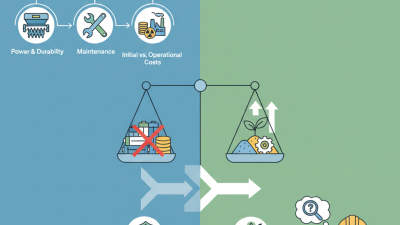
Lastly, examine the total cost of ownership. Initial procurement costs are significant, but ongoing maintenance and energy consumption need analysis too. A higher-priced shredder may offer better long-term savings through improved efficiency and durability. Keeping these factors in mind can lead to better decisions in the recycling industry.
Types of Scrap Battery Shredders and Their Unique Benefits
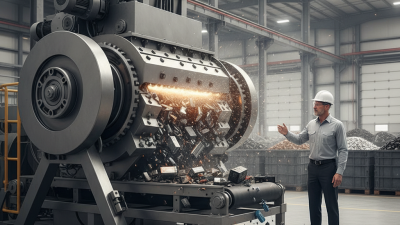
When discussing scrap battery shredders, it's essential to understand their various types and benefits. Hammer mill shredders offer a robust solution for quickly breaking down batteries. Their rapid action significantly reduces material size, aiding in faster processing in recycling facilities. However, they may create more dust and require proper ventilation.
Another effective type is the rotary shear shredder. This shredder uses rotating knives to cut batteries into small pieces. It's renowned for its ability to handle mixed materials. Facilities using this type often report better segregation of valuable metals.
Tips:
- Ensure you maintain your shredders regularly.
- Clean blades enhance efficiency and safety.
- Operators should be trained extensively to minimize risks during operation.
Lastly, consider granulators. They produce finer materials, perfect for subsequent processing stages. While this adds extra processing time, the resulting purity of recovered materials can be worth it. Balancing efficiency and safety is vital in battery recycling. It's important to assess the specific needs of your operation.
Technological Innovations in Battery Shredding for Recycling
The recycling of scrap batteries has become more crucial due to rising environmental concerns. Innovations in battery shredding technology play a pivotal role.
Advanced shredders now use precision cutting technologies. This results in more efficient separation of materials such as lithium, cobalt, and nickel. Increased recovery rates enhance sustainability efforts.
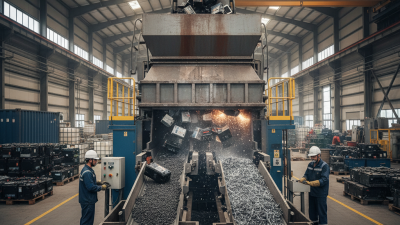
Modern shredders often feature automation. This automation reduces human error and increases safety on-site. Innovative dust and fume extraction systems further ensure a cleaner working environment. However, these technologies require regular maintenance. Regular checks are necessary to mitigate breakdowns and inefficiencies.
While these advancements are promising, challenges remain in scalability. Not all facilities can afford high-tech equipment. Smaller businesses may struggle with the investment needed for upgrades. Additionally, operators must be trained effectively. Knowledge gaps can lead to improper usage and safety hazards. Constant training programs could address this issue, ensuring a capable workforce.
Best Practices for Operating Scrap Battery Shredders Safely
Operating scrap battery shredders requires strict safety protocols to ensure efficiency and minimize risks. Understanding potential hazards is crucial. Battery chemicals can be hazardous. Proper training helps prevent accidents. Workers must know how to handle materials safely.
Tips: Always wear full protective gear. This includes gloves, goggles, and masks. Ensure the area is well-ventilated. Regularly inspect shredders for wear and tear. A small crack can lead to bigger problems. Additionally, keep emergency equipment accessible.
Creating a safe workspace is important. Clear clutter and establish a designated shredding area. Follow safety data sheets (SDS) for information on battery materials. Workers should report any irregularities immediately. Failure to do so could result in accidents or equipment failures. Regular safety drills can help reinforce best practices. Encourage open communication about safety concerns.
Case Studies: Successful Recycling Initiatives Using Shredders
Recycling scrap batteries presents unique challenges. However, several successful case studies illustrate the effectiveness of shredders in this process. For example, a facility implemented a state-of-the-art shredding solution. This allowed them to efficiently break down batteries, increasing the recovery rate of valuable materials like lithium and cobalt. The shredding process minimized contamination, which is crucial for maintaining material purity.
Another initiative focused on community battery collection efforts. Local organizations partnered with shredding experts to manage the influx of used batteries. The shredders processed thousands of batteries, demonstrating how collaboration can enhance recycling outcomes. The process resulted in significant reductions in hazardous waste, yet challenges remain in compliance and safety protocols. These cases highlight the potential for innovation and improvement within the recycling industry.
Shredders not only enhance efficiency but also support sustainable practices. Despite their effectiveness, adapting to newer technologies may require ongoing training and resources. Striking a balance between productivity and environmental responsibility can be complex. Companies must continuously reflect on their processes to ensure they meet industry standards while addressing consumer demands.
Top 5 Scrap Battery Shredder Solutions for Efficient Recycling
This bar chart represents the average efficiency rates of different scrap battery shredder solutions used in successful recycling initiatives. The metrics illustrate their processing capacities in tons per hour (TPH), highlighting the effectiveness of each solution.