Top 10 Tire Crushing Machines You Need for Recycling?
As the recycling industry evolves, the need for efficient machinery has become paramount. Tire Crushing Machines are essential for transforming waste tires into reusable materials. According to a recent report by the Environmental Protection Agency, over 290 million tires are discarded annually in the United States alone. This significant waste presents an urgent challenge for recycling sectors worldwide.
The efficiency of a Tire Crushing Machine directly influences the profitability of recycling operations. Advanced models enhance processing speed and material quality. For instance, data from industry analyses indicates that high-capacity machines can reduce processing time by up to 30%. However, businesses must carefully consider their specific needs and the longevity of machinery. Some companies report that cheaper models may lead to higher maintenance costs over time.
Investing in a Tire Crushing Machine is not just about immediate costs. It's a long-term commitment to sustainability and resource management. Choosing the right machine can be overwhelming, given the variety of options available. Decision-makers must weigh factors like efficiency, durability, and overall impact on the environment against their operational demands. This balance is crucial for the future of tire recycling and waste reduction.
Understanding Tire Crushing Machines and Their Importance in Recycling
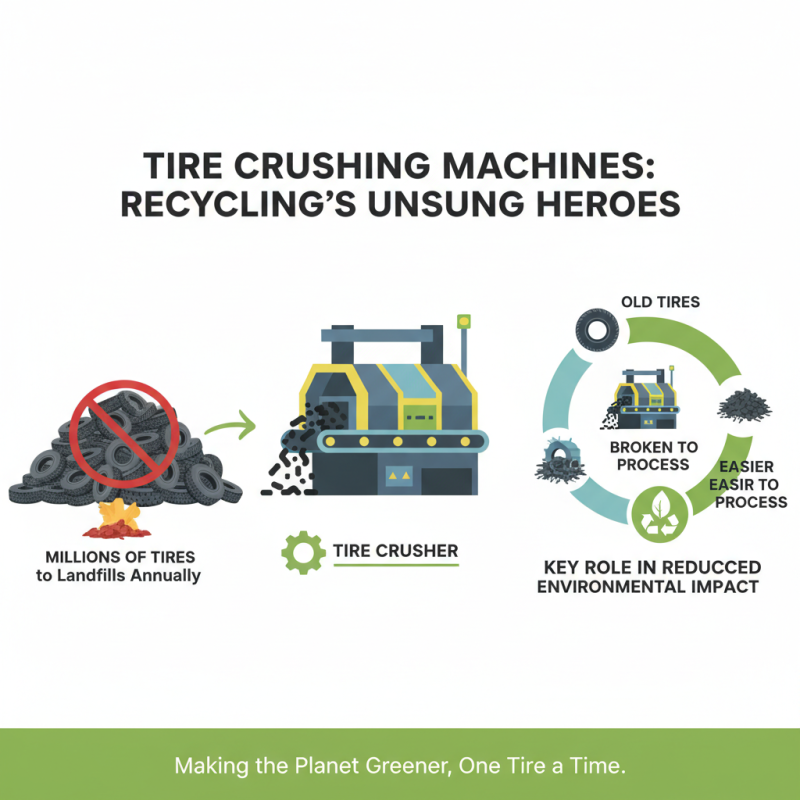
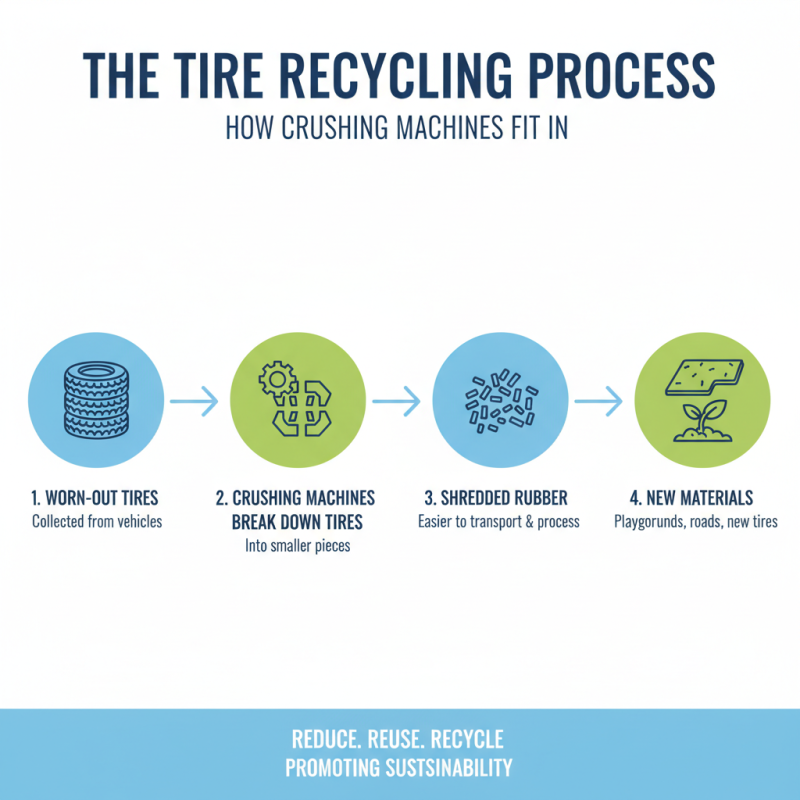
Tire crushing machines play a crucial role in the recycling industry. They break down old tires into smaller pieces, making them easier to process. This helps reduce the environmental impact of discarded tires. Each year, millions of tires end up in landfills. A significant portion of these tires can be recycled, but it requires efficient machinery to facilitate the process.
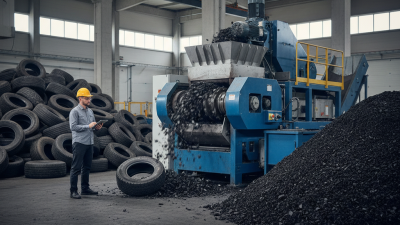
Understanding how these machines work is essential for effective recycling. These machines use powerful blades to shred tires. They can handle different sizes and types. The output includes crumb rubber, which has various applications. It can be used in playgrounds, rubberized asphalt, and more. However, not all machines are created equal. Some may not perform as well, leading to wasted resources.
There are challenges in selecting the right tire crushing machine. Factors like throughput, energy consumption, and maintenance should be considered. Also, the learning curve for operating these machines can be steep. Investing in training is vital to maximize efficiency. By doing so, recycling facilities can boost their productivity while minimizing waste. Understanding these complexities is key to making the most of tire recycling efforts.
Essential Features to Look for in a Tire Crushing Machine
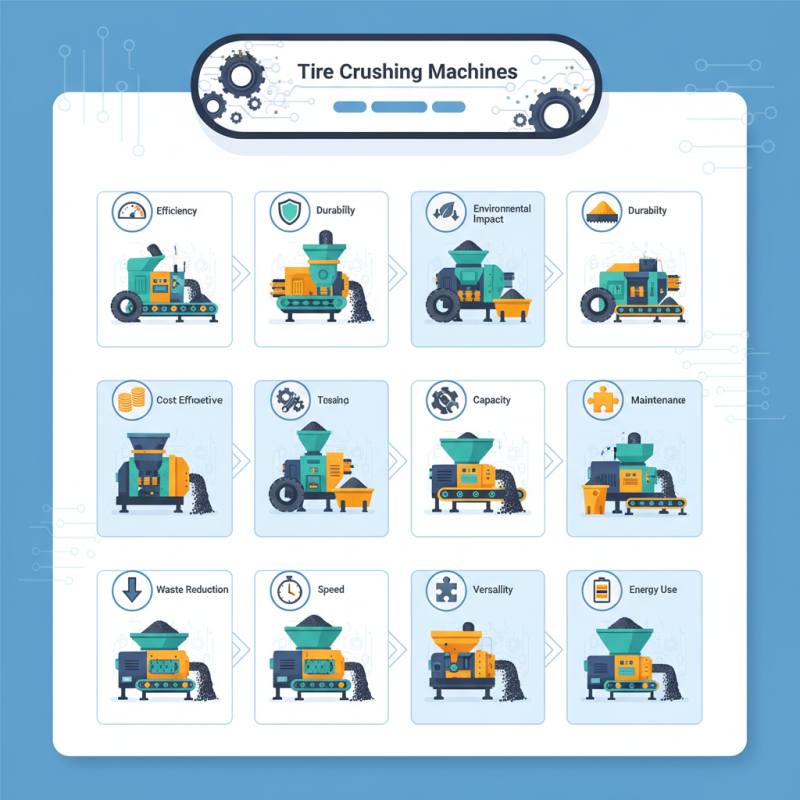
When choosing a tire crushing machine, several essential features can enhance recycling efficiency. Look for machines with a sturdy build, as they need to handle heavy tires. A reliable machine should also have adjustable settings for different tire sizes. This flexibility helps optimize the crushing process.
Tips: Consider models that allow for easy maintenance access. Easy maintenance can save time and prevent unexpected downtime.
Power consumption is another critical factor. Energy-efficient machines can significantly reduce operational costs. In addition, machines equipped with advanced safety features protect operators. Look for features such as emergency stop buttons and safety shields.
Tips: Always verify safety certifications before purchasing a machine. This ensures compliance with industry standards.
Keep in mind the machine's output capacity. Higher output can be beneficial, but it should not compromise quality. Examine user reviews for insights on performance and reliability. Remember, no machine is perfect. It's vital to assess your specific needs before making a decision.
Top Brands and Models of Tire Crushing Machines in the Market
The tire recycling industry is rapidly evolving. In 2021, around 1 billion tires reached the end of their life globally. Efficient tire crushing machines provide an effective solution for recycling. They not only reduce the volume of waste but also enable the extraction of valuable materials. Many models available today focus on maximizing output while minimizing energy consumption.
Several leading brands in the tire crushing machine market emphasize durability and efficiency. Reports indicate that machines with a high throughput can process more than 2 tons of tires per hour. Such machines often feature advanced technology for optimal performance. However, it is crucial to analyze the operation costs and maintenance needs before making an investment. Some users found the initial learning curve steep when operating advanced models.
The market is saturated with various options, making the selection process complex. Buyers must pay attention to the specifications regarding size, output, and additional features. While some models offer great efficiency, they may lack in user-friendliness. Understanding the nuances in machinery design is essential for achieving long-term operational success.
Maintenance Tips for Maximizing the Efficiency of Tire Crushing Machines
Maintaining tire crushing machines is essential for optimal performance. Regular inspections prevent unexpected breakdowns. Check for loose bolts and worn belts weekly. These simple steps can prolong machine life significantly. Dust buildup can affect functionality, so keeping the equipment clean is vital. A clean machine runs more efficiently.
Lubrication is another key aspect of maintenance. Use the appropriate lubricants to reduce friction and wear. Oil changes should occur as per the manufacturer's guidelines. This helps to maintain optimal operating temperature, ensuring that the machine does not overheat. Check hydraulic systems regularly for leaks to avoid costly repairs.
Operator training is crucial in maximizing efficiency. Workers should understand how to operate machines properly. Regular training sessions can help refine their skills. Engaging employees in the maintenance process also fosters a responsible culture. When everyone contributes, the machines are treated with care and respect. This shared responsibility can lead to better outcomes overall.
Top 10 Tire Crushing Machines You Need for Recycling
| Machine Model |
Processing Capacity (Tons/Hour) |
Power Consumption (kW) |
Dimensions (L x W x H) |
Weight (kg) |
Maintenance Tips |
| Model A |
5 |
30 |
4m x 2m x 2m |
3500 |
Check blades regularly; keep lubricated. |
| Model B |
10 |
50 |
5m x 2.5m x 2.5m |
4000 |
Perform regular checks on the hydraulic system. |
| Model C |
8 |
40 |
4.5m x 2.2m x 2.3m |
3700 |
Keep the machine clean and check belts frequently. |
| Model D |
12 |
55 |
6m x 3m x 3m |
5000 |
Regularly inspect electrical connections and wiring. |
| Model E |
15 |
65 |
7m x 3.5m x 3.5m |
6000 |
Lubricate moving parts frequently; monitor temperature. |
| Model F |
6 |
32 |
4m x 2m x 2m |
3500 |
Check for wear on components and replace as needed. |
| Model G |
9 |
48 |
5.5m x 2.5m x 2.4m |
4500 |
Inspect seals and hoses frequently; keep spare parts ready. |
| Model H |
11 |
60 |
6.2m x 2.8m x 3m |
5500 |
Conduct regular functionality tests and keep logs. |
| Model I |
7 |
35 |
4.3m x 2.2m x 2.2m |
3600 |
Maintain an organized maintenance schedule and checklists. |
| Model J |
14 |
70 |
7.5m x 3.5m x 3.5m |
6200 |
Regularly monitor and adjust operational parameters. |