Top 5 Tire Shredding Machines for Efficient Recycling Solutions?
In today's world, effective recycling is more important than ever. Among various recycling technologies, the Tire Shredding Machine stands out for its efficiency and functionality. These machines play a crucial role in transforming waste tires into reusable materials. With millions of tires discarded each year, the demand for reliable shredding solutions has surged.
Choosing the right Tire Shredding Machine is essential for industries focused on sustainability. Different machines offer unique features, and understanding these can be overwhelming. Some machines excel in speed, while others prioritize energy efficiency. It is vital to analyze a machine's capabilities and operational costs before investing.
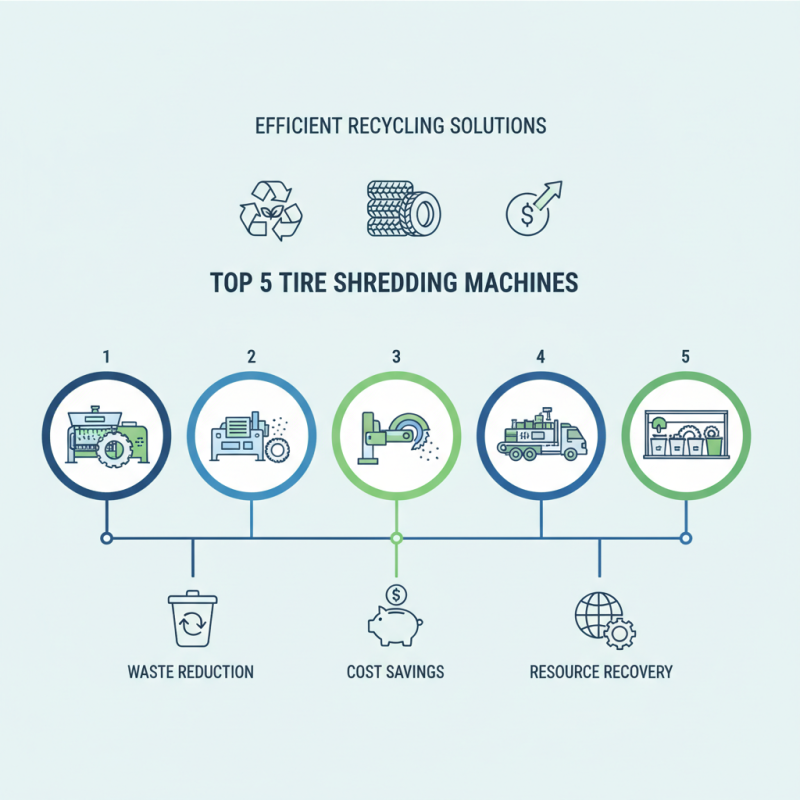
This discussion highlights the top five tire shredding machines available today. Each option reflects the growing need for effective recycling solutions. As we explore these machines, consider how they contribute not only to waste reduction but also to cost savings and resource recovery. A well-chosen Tire Shredding Machine can greatly enhance recycling operations.
Understanding Tire Shredding: Importance in Recycling Processes
Tire shredding plays a vital role in recycling processes by converting waste tires into reusable materials. The recycling of tires helps reduce environmental impact, as approximately 1 billion tires are disposed of each year globally. According to industry reports, recycling one metric ton of tires can save 1.4 metric tons of CO2 emissions. This method of waste management not only minimizes landfill usage but also aids in creating valuable products like crumb rubber, which can be used in various applications, including sports surfaces and asphalt.
Implementing effective tire shredding can enhance operational efficiency. It’s essential to choose a suitable machine based on the specific requirements of your facility. Different shredders offer varying capacities and outputs. When selecting a machine, consider the size and volume of tires you’ll be processing. Consulting industry standards and guidelines can provide better insights into your options.
**Tip:** Regular maintenance of shredding machines is crucial. Ensuring blades are sharp can significantly improve efficiency and reduce downtime. Additionally, training staff on best practices can help maintain safety and productivity during operations. By focusing on these aspects, facilities can optimize their recycling process while addressing potential challenges. Remember, even small improvements can lead to significant impacts over time.
Top 5 Tire Shredding Machines for Efficient Recycling Solutions
| Machine Model |
Processing Capacity (TPH) |
Power Required (HP) |
Weight (lbs) |
Dimensions (ft) |
| Model A |
5 |
150 |
2500 |
10 x 5 x 6 |
| Model B |
7 |
200 |
3000 |
12 x 6 x 7 |
| Model C |
10 |
250 |
3500 |
14 x 7 x 8 |
| Model D |
8 |
220 |
3200 |
11 x 5.5 x 7.5 |
| Model E |
6 |
180 |
2800 |
9 x 5 x 5.5 |
Types of Tire Shredding Machines Available in the Market
When considering tire shredding machines, various types are available in today's market. These machines can be categorized based on their functions and intended applications. Primary types include single-pass shredders and multi-stage shredders. Single-pass machines are typically more straightforward and efficient for smaller operations. They shred tires quickly, producing a uniform product for further processing.
On the other hand, multi-stage shredders allow for more complex recycling solutions. These machines can grind tires down to different sizes through multiple processing stages. They often feature advanced technology for better output quality. Choosing between these options can be challenging, as each type serves different needs. It's important to assess the specific requirements and volume of tires you deal with regularly.
Moreover, some machines focus heavily on noise reduction and energy efficiency. These features are significant for operations in urban areas or where sustainability is prioritized. However, it's crucial to remember that higher efficiency often comes with increased maintenance needs. An efficient machine may still require regular checks and updates. Understanding these factors can help businesses make informed decisions about which tire shredding machine best suits their recycling goals.
Key Features to Consider When Choosing a Tire Shredding Machine
When selecting a tire shredding machine, key features play a crucial role. Efficiency is paramount; machines should deliver high throughput while minimizing energy consumption. According to the Rubber Manufacturers Association, recycling one ton of tires can save up to 3,000 pounds of CO2 emissions, emphasizing the role of effective shredding technologies in environmental sustainability.
Another important factor is the machine’s size and feed capacity. This varies widely; some models handle large volumes, while others are designed for smaller operations. Assessing your operation's scale is essential for maximizing production. Additionally, machines with adjustable blade settings can enhance the versatility, allowing operators to produce varying rubber sizes for different applications.
Tips: Always consider maintenance needs. Machines that require frequent repairs or downtime can undermine overall efficiency. Researching long-term operational costs will provide insight into the machine's reliability. Frequent operator training can also improve efficiency and safety, as proper handling directly affects shredding performance. Balancing these features requires careful analysis but leads to better recycling outcomes.
Top 5 Tire Shredding Machines for Efficient Recycling Solutions
Top 5 Tire Shredding Machines: Specifications and Performance Ratings
When it comes to tire shredding machines, efficiency and performance metrics are essential. Various models offer unique specifications that cater to different recycling needs. For instance, machines capable of shredding up to 10 tons of tires per hour highlight the effectiveness of this equipment. Many industry reports, such as those from the Environmental Protection Agency (EPA), emphasize how proper tire shredding can significantly reduce landfill waste.
A reliable tire shredding machine should be robust and energy-efficient. An average energy consumption of about 200 kWh can lead to high operational costs. Additionally, they should have durable blades, often made from high-grade steel. These can maintain performance after numerous cycles, ensuring minimal downtime. Some machines also come with features that allow for adjustable shredding sizes, adding versatility.
Tips: Always consider space requirements when selecting a machine. Machines need proper ventilation and clearance. Regular maintenance is key to longevity. Inspect blades frequently to avoid inefficiency. Adopting a proactive approach can enhance both productivity and cost-effectiveness. As the recycling industry evolves, staying informed on the latest technological advancements can influence purchasing decisions too.
Innovative Recycling Solutions Enabled by Tire Shredding Technology
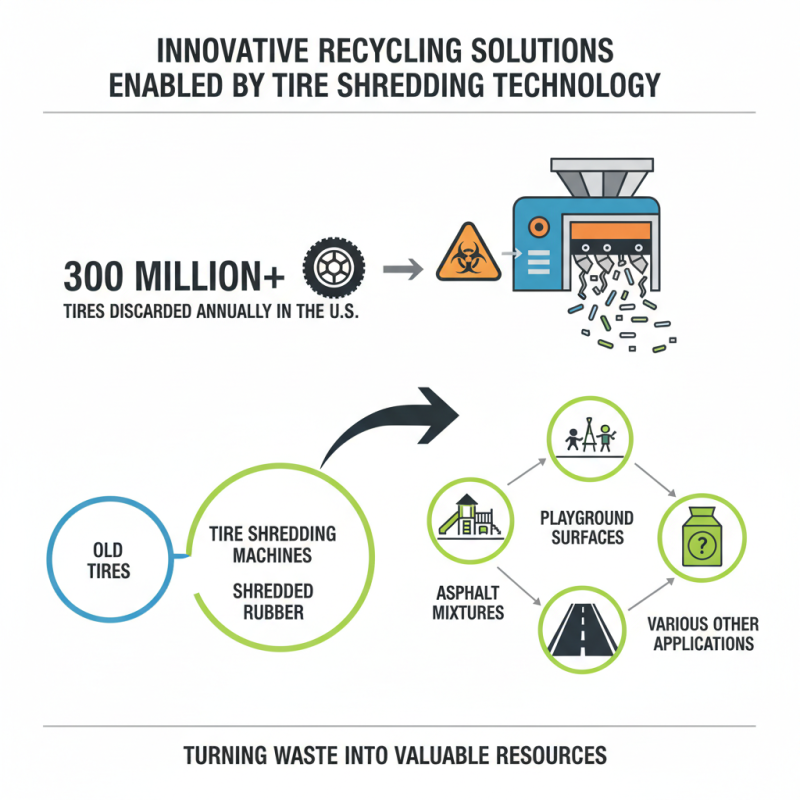
Tire shredding technology plays a crucial role in recycling solutions. In the U.S. alone, approximately 300 million tires are discarded annually. This creates significant environmental challenges. Tire shredding machines transform old tires into usable materials. The shredded rubber can be repurposed for various applications, from playground surfaces to asphalt mixtures.
These machines enhance waste management efficiency. A recent study reports that tire recycling reduces landfill waste by about 90%. Moreover, the energy recovery from shredded tires contributes to sustainable practices. Shredded rubber can replace up to 25% of fossil fuels in cement production. This not only conserves resources but also lowers carbon emissions.
Despite the advancements, some challenges remain. The recycling process can be costly, requiring specialized equipment. Many smaller operations struggle to invest in high-quality shredders. Additionally, controlling the size of shredded material is critical for quality assurance. Uniformity affects the end product's usability. Improved technology could address this issue, ensuring better consistency in recycling efforts. As the industry evolves, enhancing these machines will be vital for efficiency and effectiveness.