Why Choose a Slow Edge Crusher for Your Crushing Needs?
When it comes to choosing a crusher, the Slow Edge Crusher stands out. It offers a unique approach to material processing. This equipment ensures efficiency while keeping quality intact.
Using a Slow Edge Crusher means embracing precision. Its design minimizes waste, making each operation more productive. Many industries have turned to this technology for its reliability. A focus on slow speed reduces energy consumption. This innovative machine can handle various materials without compromising performance.
However, the advantages of a Slow Edge Crusher come with considerations. Users must understand the materials they process. Proper maintenance is essential to keep it running smoothly. While many praise its efficiency, some may find it slower than expected. Balancing speed and quality is key. In a world that values fast results, reflecting on the benefits of slow processing can be vital.
The Mechanism Behind Slow Edge Crushers: How They Work in Crushing
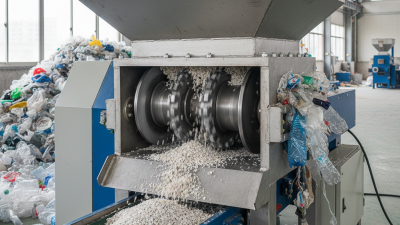
Slow edge crushers operate through a unique mechanism that distinguishes them from traditional crushers. They utilize low-speed, high-torque designs to crush materials effectively. This approach minimizes dust and noise while maximizing efficiency. The slow rotation allows the crusher to break down materials gently, reducing the risk of contamination and preserving the integrity of the crushed product.
The design of slow edge crushers includes a series of sharp edges and robust jaws. These components work together to create a shearing action that efficiently processes materials. The gradual crushing prevents overheating and maintains the material's quality. This is particularly important in industries where material purity is crucial. However, one must be mindful that the slower speeds may not suit all types of materials. Some operations may face challenges with throughput, potentially leading to delays in processing.
Operators should carefully consider the types of materials being crushed. Not every application benefits from slow crushing mechanisms. Understanding the material properties and required output is vital. Balancing efficiency and quality is key in selecting the right machinery for specific needs. While slow edge crushers offer many advantages, they might not always be the optimal choice. Hence, ongoing evaluation and adjustments may be necessary to achieve the best results.
Benefits of Using Slow Edge Crushers
This chart illustrates the key advantages of using slow edge crushers compared to other crushing methods. Each bar represents a specific benefit, with scores ranging from 1 to 10 indicating the effectiveness of each feature.
Advantages of Slow Edge Crushers vs. Traditional Crushers in Efficiency
When considering crushing technology, slow edge crushers stand out for their unique efficiency. Unlike traditional crushers, which often operate at high speeds, slow edge crushers tackle hard materials with a gentler approach. This method leads to less dust generation and reduced wear on both the machinery and the processed material. The slower rotation allows for a more uniform size reduction, resulting in higher quality aggregates.
Efficiency is enhanced by the design of slow edge crushers. Their engineering maximizes energy use, making them cost-effective over time. Operational costs drop as maintenance is less frequent. This can be particularly beneficial for businesses that rely on consistent output. However, it is crucial to recognize that not all materials may be suited for this method. Some may require traditional high-speed crushing solutions.
Using slow edge crushers may require a shift in mindset. Operators need to adapt to new processing times and expectations. The slower methodology might initially seem inefficient, but the long-term benefits often outweigh these concerns. A thoughtful analysis will reveal if slow edge technology meets specific crushing needs.
Impact on Material Quality: The Role of Slow Crushing in Preservation
When it comes to crushing materials, slow crushers hold a significant edge. Their unique mechanism ensures minimal friction, reducing heat generation. This process safeguards the integrity of materials, retaining essential qualities. Traditional methods often compromise quality, leading to a loss of vital components. Slow crushing maintains consistency, resulting in a more uniform output.
One crucial aspect of slow crushing is the preservation of material properties. High-speed crushers may produce heat that alters the composition of fragiles. For instance, sensitive materials, such as minerals, can lose their potency during rapid crushing. By opting for slower speeds, you protect these characteristics. This leads to a higher-quality final product, essential for various applications.
**Tip:** When choosing equipment, assess how different crushers affect your materials’ properties. Slow crushers might demand more time but deliver superior quality. Ensure you frequently evaluate your crushing technique for better results. Consistency is key, and slow crushing often outshines speed in the long run.
Why Choose a Slow Edge Crusher for Your Crushing Needs? - Impact on Material Quality: The Role of Slow Crushing in Preservation
| Parameter |
Slow Edge Crusher |
Conventional Crusher |
| Crushing Speed (RPM) |
40-60 |
300-600 |
| Material Type |
Fragile and Sensitive Materials |
Hard and Abrasive Materials |
| Dust Generation |
Low |
High |
| Final Product Quality |
Higher Quality, Less Damage |
Variable, More Degradation |
| Operational Noise Level |
Quieter |
Louder |
| Maintenance Frequency |
Low |
High |
Key Industry Metrics: Lower Energy Consumption and Operational Costs
When it comes to choosing equipment for crushing needs, energy efficiency is a top priority. Reports indicate that slow edge crushers offer significant savings in energy consumption. According to a 2022 industry study, these machines can reduce energy costs by up to 30% compared to traditional high-speed options. This reduction is vital, especially for operations running 24/7.
Additionally, slow edge crushers can minimize operational costs. A survey conducted by the Engineering Research Institute found that maintenance expenses decreased by 25% when using these machines. The slower crushing process contributes to less wear and tear on parts. It's clear that these savings enhance profitability over time.
However, companies must consider the trade-offs. Slow edge crushers may have lower throughput rates compared to faster models. This can lead to longer processing times for large volumes. Evaluating the balance between speed and efficiency is crucial. Making informed choices based on these metrics can lead to sustainable operations.
Applications of Slow Edge Crushers in Various Industries and Materials
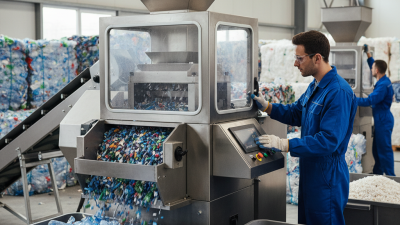
Slow edge crushers are increasingly utilized across various industries due to their unique crushing capabilities. In the recycling sector, for instance, these machines efficiently process metals, plastics, and rubber. The American Institute of Steel Construction (AISC) reported that using slow edge crushers can reduce emissions by up to 30% during metal recycling, making them an environment-friendly choice.
In contrast to high-speed crushers, slow edge crushers maintain a more controlled particle size. This feature is crucial in the food industry. Studies indicate that uniform particle size enhances extraction processes. The Food and Drug Administration (FDA) emphasizes the importance of consistency for food safety, supporting the use of slow edge technology in food processing.
However, choosing a slow edge crusher is not without challenges. Some users report issues with slower processing speeds. It can lead to production bottlenecks for businesses needing rapid throughput. This aspect prompts a reevaluation of production requirements versus efficiency. Balancing these needs is essential for maximizing the benefits that slow edge crushers can bring to industry applications.