2026 Best Tire Shredding Machines for Efficient Recycling?
Tire shredding is a crucial process in recycling and waste management. With more than 300 million tires disposed of each year in the U.S. alone, effective solutions are vital. According to industry reports, only 15% of used tires are recycled into new products. The demand for reliable tire shredding machines continues to grow. These machines play a key role in transforming tires into reusable materials.
In 2026, selecting the best tire shredding machines involves understanding technology and efficiency. Machines that can handle various tire sizes are essential. They reduce tires to small pieces, making them easier to manage and recycle. However, not all machines deliver the same level of performance. Some may struggle with durability or efficiency, leading to higher operational costs.
As recycling practices evolve, the tire shredding industry faces challenges. Continuous improvement is needed in machine design and operation. Understanding the various types of machines and their strengths is critical for businesses. Investing in quality tire shredding technology can significantly impact recycling efforts. Ultimately, it contributes to a more sustainable future, while still leaving room for improvement in the industry.

Overview of Tire Shredding Machines and Their Importance in Recycling
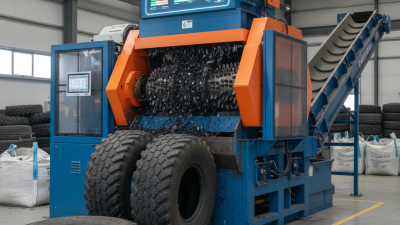
Tire shredding machines are vital in recycling efforts. They efficiently break down scrap tires into smaller pieces. This process helps reduce waste and contributes to a more sustainable environment. By recycling tires, we can create valuable materials for various applications, such as rubber mulch or asphalt.
One of the significant challenges in tire recycling is ensuring proper machine maintenance. Regular maintenance can prevent costly breakdowns. It also improves efficiency. Wear and tear on blades can impact performance. Operators must regularly inspect and replace parts as needed.
Tips: Always keep a log of maintenance activities. This can help track issues over time. Additionally, consider training staff on proper machine operation. A well-trained team can enhance safety and productivity. It may also help identify problems before they escalate. Investing in quality equipment is essential but requires ongoing reflection on usage patterns and output.
Key Features to Consider When Choosing Tire Shredding Machines
When selecting tire shredding machines, key features make a significant difference. The machine's capacity is essential; larger operations require heavy-duty models. Consider the shred size. A smaller shred increases the efficiency of the recycling process and maximizes space utilization. Look into energy consumption as well. Machines that operate efficiently save costs over time.
Maintenance is another factor. Simple maintenance procedures can prevent downtime. Ensure that parts are readily available. Durability also matters a lot; you want a machine that can withstand heavy usage. Vibration control is crucial for safety. An unstable machine can cause accidents or damage.
Tips on selecting the right machine: check for customer reviews and industry ratings. Look for user feedback regarding reliability and performance. It's beneficial to consult with experts if you're unsure. The right choice leads to better recycling outcomes. Failure to choose wisely can result in high operational costs and inefficiency in waste management. Make informed decisions to improve your recycling operation.
Comparative Analysis of Top Tire Shredding Machines for 2026
When exploring the best tire shredding machines for recycling in 2026, a few critical factors emerge. Efficiency stands out as a key aspect. Many machines promise high output, yet not all deliver as expected. The design of the blades plays a vital role in processing tires effectively. Users should consider models with adjustable blade angles. These adjustments can lead to improved particle sizes and reduce energy consumption.
Durability is another crucial factor. Machines need to withstand rigorous use over time. Some units may offer impressive specs but fail in real-world applications. Cost also influences decision-making. Higher price tags do not always guarantee quality. Buyers often find that mid-range options balance performance and cost better.
User reviews can provide valuable insights into machine reliability. Yet, these testimonials vary significantly across platforms. Potential buyers should read a mix of reviews to gather a fuller picture. The importance of after-sales service cannot be overlooked. Effective support can save users from frustrating downtimes. Validating these aspects can lead to more informed decisions.
2026 Best Tire Shredding Machines - Efficiency Comparison
This graph compares the tire processing capacity of the top tire shredding machines for 2026, showcasing their efficiency in handling tire recycling. Each machine's capability is highlighted to aid in selecting the best option for recycling operations.
Environmental Benefits of Tire Recycling Through Efficient Shredding
The environmental benefits of tire recycling are significant. Efficient shredding transforms used tires into valuable materials. These materials can replace raw inputs in various industries. This process reduces waste in landfills, contributing to a cleaner planet.
Shredding tires produces rubber crumbs or chips, which can be used in asphalt for roads. This application enhances pavement durability, reducing maintenance costs. Additionally, it minimizes the need for virgin materials. There's a growing acknowledgment of the potential of recycled rubber in construction and landscaping. However, there are challenges. The technology must continuously improve to maximize efficiency and effectiveness.
While shredding increases recycling rates, it doesn't eliminate the environmental footprint entirely. Wastewater and emissions from processing can still pose risks. Communities need to implement strict regulations and standards to mitigate these effects. Embracing tire recycling through shredding is a positive step, but ongoing evaluation is necessary to ensure sustainable practices.
Future Trends in Tire Shredding Technology and Recycling Innovations
The recycling industry is rapidly evolving. Tire shredding technology plays a critical role in this transformation. Innovative methods are emerging to enhance the efficiency of tire recycling. These advances focus on improving the shredding process, making it more energy-efficient and cost-effective.
Recent trends highlight the integration of automation in tire shredding systems. Automated feed systems reduce labor costs and improve safety. Smart sensors provide real-time data on equipment performance. This ensures that machines operate at peak efficiency, minimizing downtime and waste.
However, challenges remain in this domain. The need for specialized training is crucial. Operators must understand the complexities of various machinery to achieve optimal results. Additionally, the environmental impact of tire shredding must be continually assessed. Striking a balance between efficiency and sustainability is essential for future innovations in tire recycling.