Top Tire Crushing Machine Innovations for Efficient Recycling?
Tire waste poses significant environmental challenges. Every year, millions of tires end up in landfills. Efficient recycling is essential to minimize this problem. A key player in this process is the Tire Crushing Machine. This machine transforms used tires into reusable materials. Innovations in tire crushing technology are crucial for effective recycling.
Recent advancements have made tire crushing machines more efficient. These innovations focus on improving energy consumption and output quality. Some machines now feature smart technology. This allows operators to optimize performance in real-time. Efficiency in recycling not only reduces waste but also creates valuable resources.
Despite these advances, challenges remain. Not all tire crushing machines are equal. Some may struggle with durability or maintenance issues. The market constantly evolves, making it difficult for companies to keep up. Understanding these innovations is vital for businesses looking to enhance their recycling efforts. Practical knowledge in this field leads to effective recycling solutions.
Emerging Technologies in Tire Crushing Machinery
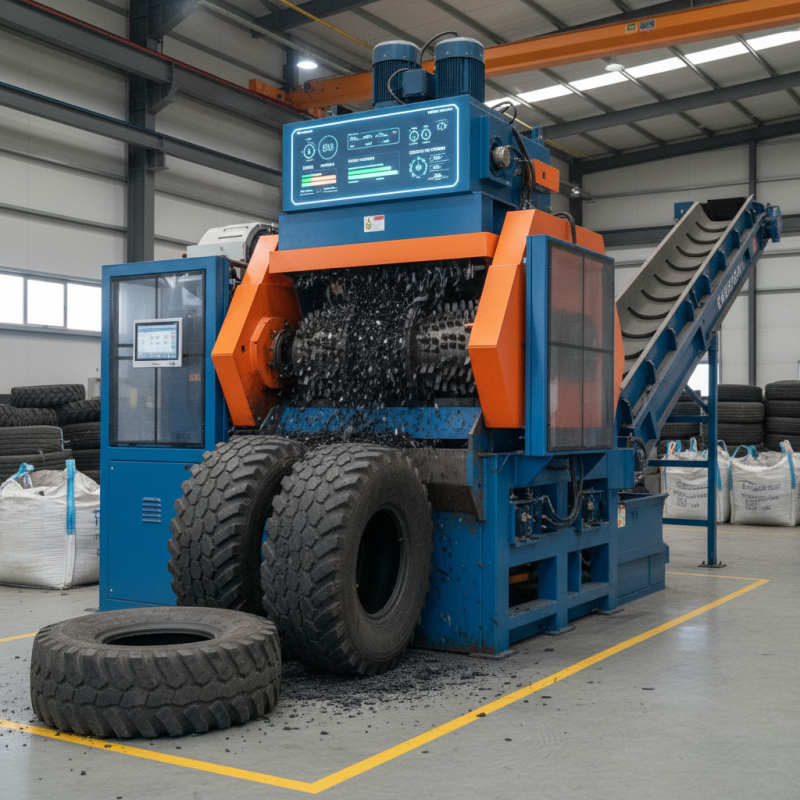
The tire recycling industry is witnessing rapid advancements in crushing technology. New methods are emerging, focusing on efficiency and sustainability. These innovations aim to reduce waste and improve material recovery rates. By utilizing advanced crushing techniques, operators can achieve finer material sizes suitable for various applications. This allows for better integration into recycling processes.
Emerging technologies, like automated sorting systems, enhance the tire preparation phase. They ensure that contaminants are removed before crushing. Such systems are crucial for maintaining product quality and maximizing recovery. Additionally, energy-efficient machinery plays a vital role in decreasing operational costs. Operators often notice a significant reduction in energy consumption with updated equipment designs.
However, challenges remain in adapting to these technologies. Not all facilities are equipped to implement these new systems effectively. Training personnel in handling advanced machines can also pose difficulties. It’s essential to weigh the benefits against potential hurdles. The journey towards a fully efficient tire recycling process is ongoing, with room for continuous improvement.
Key Features of Advanced Tire Recycling Machines
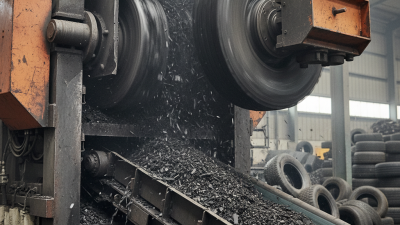
Innovations in tire recycling technology are transforming how we handle waste tires. Advanced tire recycling machines now feature enhanced cutting systems that improve efficiency. These machines can shred tires into small pieces quickly. This not only saves time but also increases the output of reusable materials.
Another notable feature is the integration of automated sorting mechanisms. These systems use sensors to identify different materials within tires, such as steel and rubber. This helps in extracting valuable components more effectively. However, implementing these technologies can be costly and requires skilled operators. Ensuring they function correctly is essential for maximizing the benefits.
Energy efficiency is another key aspect of modern tire recycling machines. Many new models aim to reduce energy consumption during operation. This focus on sustainability is crucial, yet achieving energy savings while maintaining performance can be challenging. As technology evolves, continuous improvements in this area remain necessary to meet growing environmental demands.
Environmental Impact of Innovative Tire Crushing Solutions
The tire recycling industry faces significant challenges in reducing environmental waste. According to the U.S. Environmental Protection Agency (EPA), about 300 million scrap tires are generated annually in the United States alone. Innovative tire crushing machines offer effective solutions for managing this growing problem. These machines can reduce tires to crumb rubber, which can then be repurposed for various applications, including playground surfaces and asphalt.
One significant environmental impact of these innovations is the reduction of landfill waste. Efficient tire crushing drastically minimizes the volume of tires that end up in landfills. For every ton of tires recycled, approximately 1.6 tons of CO2 emissions can be prevented. However, not all machines on the market are designed with sustainability in mind. Some may consume more energy or have higher operational costs, raising questions about their true environmental benefits.
Moreover, the transition to more efficient recycling technologies is not without its challenges. Many facilities struggle with initial investment costs. Older machines tend to be less efficient and environmentally friendly. Consequently, stakeholders must weigh technical benefits against financial feasibility, ensuring that the innovations serve both economic and ecological goals. Addressing these issues is essential for advancing sustainable tire recycling practices.
Top Tire Crushing Machine Innovations for Efficient Recycling
The chart above illustrates the impact scores of various innovative features in tire crushing machines based on their contributions to efficient recycling. Automation and energy efficiency lead the way in enhancing overall operational effectiveness, while material recovery and noise reduction also play significant roles.
Cost-Effectiveness of Modern Tire Recycling Methods
The cost-effectiveness of modern tire recycling methods has garnered significant attention in recent years. According to the American Tire Dealers Association, approximately 300 million tires are discarded annually in the U.S. alone. This staggering number highlights the need for efficient and economical recycling solutions. Innovative tire crushing machines can reduce operational costs by up to 30%, providing a clearer path for recycling operations.
Many processors report that advanced shredders and grinders not only maximize material recovery but also minimize energy consumption. A study from the Institute of Scrap Recycling Industries found that effective tire recycling can recover more than 80% of the tire's original weight. This recovery rate not only conserves resources but also greatly reduces landfilling issues that our environment faces today.
However, the initial investment in high-tech equipment can be daunting for smaller businesses. It raises questions about long-term financial viability. Overcoming this barrier often requires access to financing or government incentives. Yet, the industry must address the challenge of equipment maintenance and operator training. Proper handling ensures efficiency and extends the lifespan of these machines, thus making tire recycling a truly sustainable endeavor.
Future Trends in Tire Crushing Machine Development
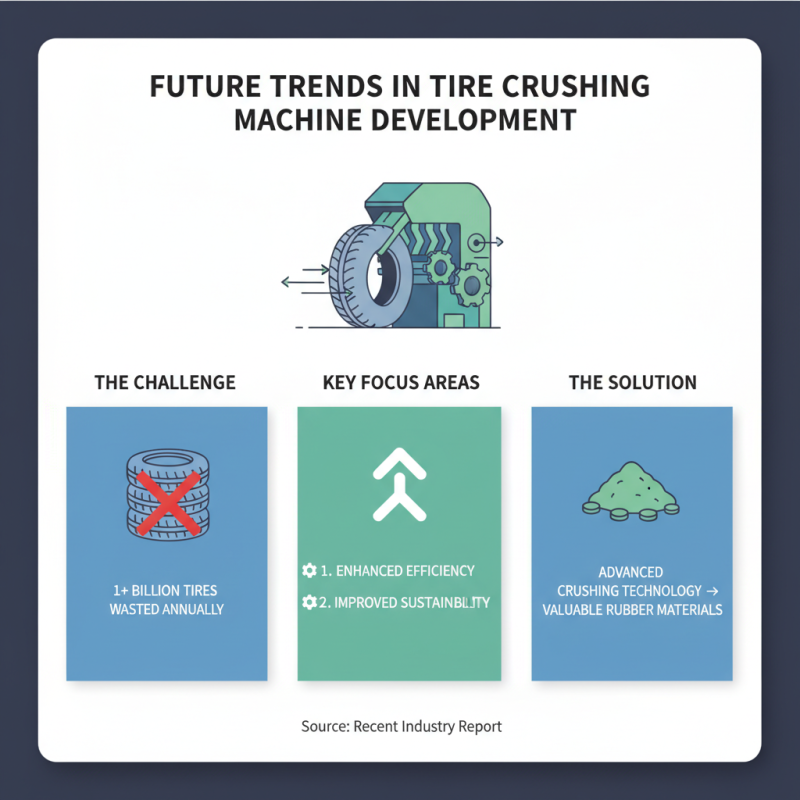
The tire recycling industry is witnessing significant innovation. Future trends in tire crushing machine development focus on enhancing efficiency and sustainability. A recent industry report highlights that over 1 billion tires go to waste each year. Improved crushing technology can convert this waste into valuable rubber materials.
Modern machines are adopting automated systems that optimize the crushing process. These advancements reduce energy consumption by 30% and increase processing speed. Additionally, precise engineering can minimize wear and tear, extending machine life. The use of artificial intelligence is on the rise, providing better monitoring and maintenance routines.
However, there are challenges. Some facilities still rely on outdated machinery, limiting their efficiency. The market is also facing a skills gap, as experienced operators are hard to find. Without addressing these issues, the full potential of tire recycling may remain untapped. The industry must adapt quickly to these new trends or risk falling behind.