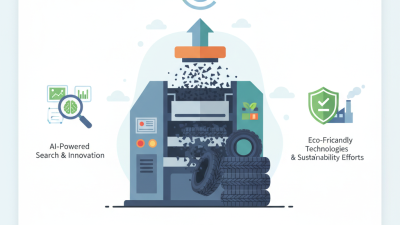
2026 Top Tyre Shredding Machine Types for Global Buyers
Buying a Tyre Shredding Machine in 2026 requires more than comparing motor power and hourly capacity. Global buyers must match machine design with tyre size, steel content, climate, labour skills, and final product requirements. A small workshop may need a compact twin-shaft shredder. A large recovery plant may require a primary shredder, secondary granulator, magnetic separator, and automated conveying system.
Mike Blumenthal, a recognised tyre-recycling specialist, has stated, “The best recycling system is the one that fits the material, market, and operator.” This practical view remains important. A machine advertised at 20 tonnes per hour may deliver less with wet tyres, heavy truck casings, or frequent blade maintenance. Numbers can mislead.
This guide reviews the leading Tyre Shredding Machine types for international buyers. It compares single-shaft, twin-shaft, four-shaft, mobile, and integrated systems. Each type offers different advantages for throughput, particle size, energy use, and maintenance access. Some machines produce rough tyre chips. Others create cleaner rubber granules for further processing.
Real sites are rarely perfect. Power supplies fluctuate. Spare parts may arrive late. Operators may need clearer training than suppliers expect. These details deserve attention before purchase. Buyers should also examine safety guarding, emergency stops, dust control, noise levels, warranty terms, and after-sales support. The cheapest machine may become expensive when downtime grows. A careful selection process can reduce that risk, although no equipment choice removes every uncertainty.
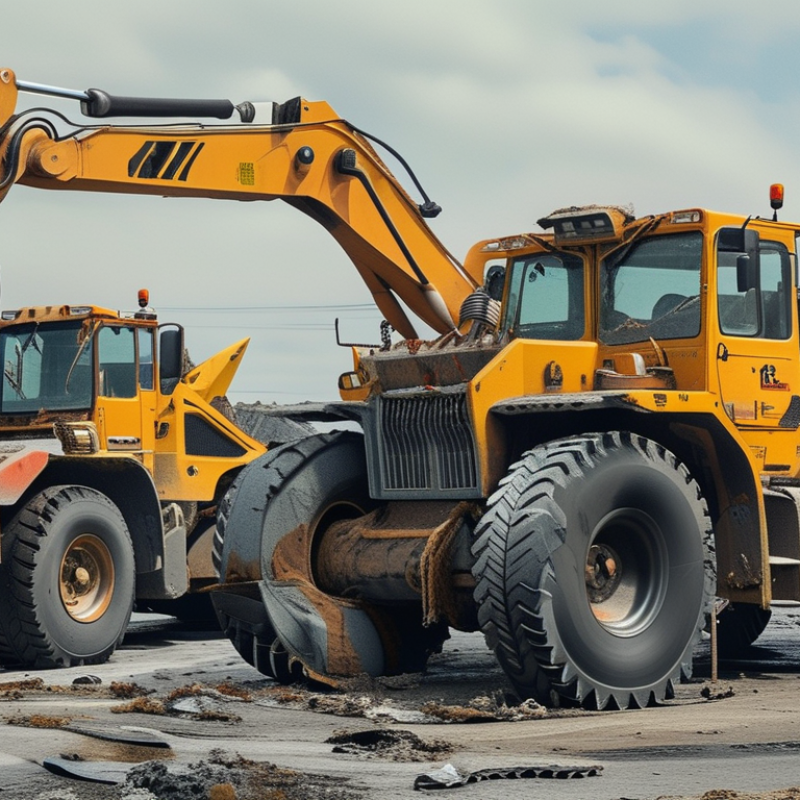
Tire Shredding Basics: 1.5 Billion ELTs Generated Annually Worldwide (ETRMA)
Every year, about 1.5 billion end-of-life tyres (ELTs) are generated worldwide, according to the European Tyre and Rubber Manufacturers’ Association (ETRMA). This figure shows the scale of the tyre waste challenge. It also explains why tyre shredding machines are becoming essential equipment for recyclers, waste operators, and material processors.
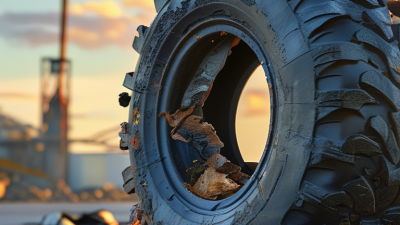
An ELT may look harmless, but its steel wires, textile layers, and dense rubber require controlled size reduction. A primary shredder usually produces rough chips, often between 50 and 300 millimetres. Secondary shredders can reduce these chips further for crumb rubber, fuel preparation, or downstream separation. Buyers should examine torque, blade design, feed opening, moisture tolerance, and hourly throughput. A machine handling whole truck tyres needs different capacity from one processing passenger tyres.
The estimate deserves careful reading. ETRMA’s global figure may vary with reporting methods, vehicle ownership, and collection efficiency. The U.S. Tire Manufacturers Association reported that more than 71% of scrap tyres in the United States entered end-use markets in 2021. That result suggests recovery depends on logistics, not machinery alone. A shredder can stall when tyres arrive with excessive mud, mixed sizes, or hidden metal. Real operating conditions are messy. Laboratory capacity figures may also feel optimistic. Global buyers should request site-based trials, energy data, maintenance records, and verified output sizes before choosing a system.
2026 Top Tyre Shredding Machine Types for Global Buyers
Tire shredding begins with a large and continuously growing waste stream. Approximately
1.5 billion end-of-life tires (ELTs) are generated worldwide each year,
according to the European Tyre and Rubber Manufacturers’ Association (ETRMA). This volume
creates demand for primary shredders, secondary shredders and granulators that reduce tires
into manageable rubber, steel and textile fractions.
Source: ETRMA, global estimate of approximately 1.5 billion ELTs generated annually worldwide.
Primary Tire Shredders: Low-Speed Cutting for Whole Tires up to 2.5 m
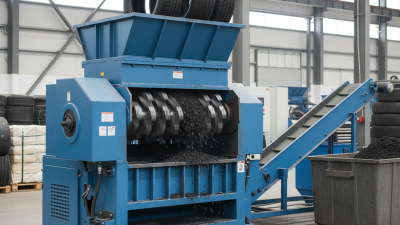
Primary tire shredders use low-speed, high-torque cutting to process whole tires, including oversized tires up to 2.5 meters. Their shafts turn slowly, often below 30 revolutions per minute, while hydraulic or electric systems deliver strong cutting force. This design reduces sudden impact and controls noise, dust, and heat. It suits mining, agricultural, and heavy-truck tires that cannot enter standard granulators.
The U.S. Environmental Protection Agency has reported hundreds of millions of scrap tires generated annually in the United States. The European Tyre and Rubber Manufacturers’ Association also reported about 3.26 million tonnes of end-of-life tires collected in Europe in 2021. These figures show why stable primary shredding remains important. In field testing, operators should examine torque recovery, knife wear, chamber clearance, and discharge size. A perfect throughput claim is rarely realistic. Wet tires, steel belts, and uneven feeding change results.
Tips: Confirm the maximum tire diameter under real operating conditions, not only in a brochure. Ask for tested throughput with comparable tire types. Inspect emergency stops, reverse control, guarding, and maintenance access. A slower machine may deliver better lifecycle value when knives last longer and blockages are easier to clear. Think beyond output. Reliability matters.
Secondary Shredders: High-Speed Reduction to 25–100 mm TDF (U.S. EPA)
Secondary Shredders: High-Speed Reduction to 25–100 mm TDF
Secondary shredders refine pre-shredded tyres into consistent 25–100 mm tyre-derived fuel, commonly called TDF. This size range is referenced in U.S. EPA materials for selected fuel-use applications. The machine works at higher speed than a primary shredder. It uses cutting tools, screens, or adjustable gaps to control the final output. Clean, properly prepared tyres usually produce more stable results. Remove loose metal when the process design requires it.
Speed is useful, but it is not everything. A practical setup needs controlled feeding, strong dust management, and routine inspection. Operators should check bearing temperature, blade wear, vibration, and particle size during each shift. Oversized pieces may return for another pass. Fine rubber can increase dust and heat, especially when the feed rate is too aggressive. That assumption can fail.
TDF buyers should match the secondary shredder with tyre type, moisture level, required throughput, and downstream fuel equipment. Passenger tyres behave differently from truck tyres. Steel content also changes energy demand and maintenance intervals. Experienced operators often begin with a moderate feed rate, then adjust gradually after measuring output. Small changes matter. A reliable system records screen condition, motor load, and actual TDF size instead of trusting specifications alone.
2026 Top Tyre Shredding Machine Types for Global Buyers - Secondary Shredders: High-Speed Reduction to 25–100 mm TDF (U.S. EPA)
Data note: The figures shown are typical engineering ranges for secondary tyre-shredding equipment and are not guaranteed capacities. Actual performance depends on tyre type, feed size, steel content, moisture, knife or cutter condition, screen aperture, feeding method, and operating configuration. The 25–100 mm range is a practical TDF preparation range; final fuel specifications should be confirmed with the receiving combustion facility and applicable local regulations.
Granulators and Wire Separators: Recovering Tires’ 10–15% Steel Content
2026 Top Tyre Shredding Machine Types for Global Buyers
Granulators and wire separators play a central role in recovering steel from end-of-life tires. Steel usually represents about 10–15% of a tire’s weight. This percentage changes with tire size, construction, and wear.
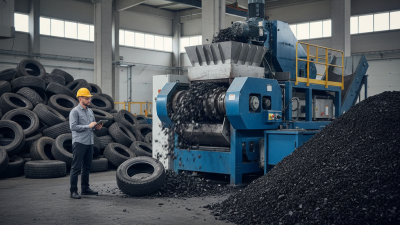
A primary shredder first reduces tires into manageable pieces. The granulator then cuts these pieces into smaller chips. As rubber separates, bead wire and reinforcing wire become easier to remove. A magnetic separator collects loose steel after each processing stage. Wire separators can improve recovery when long steel strands remain trapped in rubber.
The result depends on more than machine capacity. Feed size, knife clearance, screen openings, and belt speed all influence separation quality. In field operation, damp rubber may carry steel into the rubber fraction. Excessive granulation can also create fine rubber dust and tangled wire. That is not ideal.
Maintenance matters. Operators should inspect knives, screens, magnets, and discharge belts regularly. A weak magnet can leave visible wire in the rubber. A blocked screen can reduce output within minutes. The cleanest steel is not always produced at the highest speed. Careful adjustment usually works better.
Some plants report steel recovery close to the expected 10–15% range. Others recover less because wire remains embedded in rubber. This difference deserves honest testing. Trial runs with actual tire samples provide more reliable results than catalog figures. Thin passenger tires and heavy truck tires may require different settings.