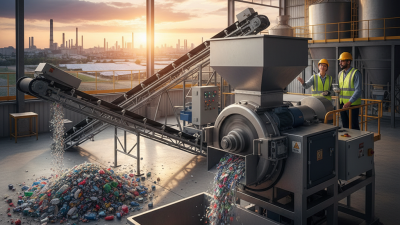
China’s HDPE recycling sector is expanding with pressure from rising plastic waste and stricter resource-efficiency goals. The OECD’s Global Plastics Outlook reports that global plastic waste reached 353 million tonnes in 2019, nearly double the 2000 level. HDPE containers, pipes, drums, and industrial packaging form a significant recovery stream.
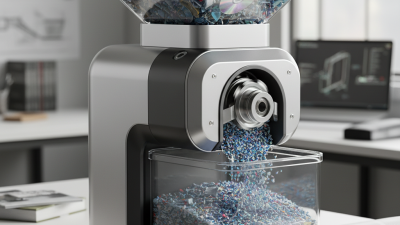
That is where an Hdpe Shredder Machine becomes practical. It reduces bulky plastic into controlled flakes before washing, sorting, or pelletizing. In a factory, the difference appears clearly: cleaner cutting, lower vibration, fewer blocked screens, and steadier output. PlasticsEurope reported global plastics production of 400.3 million tonnes in 2022, showing the scale of the material challenge. However, production volume alone cannot prove machine quality.
Ellen MacArthur, founder of the Ellen MacArthur Foundation, has warned, “We cannot recycle our way out of the plastics crisis.” Her statement matters here. Shredding supports recycling, but it does not replace better product design or reliable collection systems. A perfect ranking does not exist. Supplier performance depends on rotor design, knife steel, motor efficiency, feeding method, noise control, and after-sales service. China has many capable manufacturers, yet brochures often hide operating limits. This guide introduces ten leading Chinese manufacturers and compares their HDPE equipment through practical criteria, including throughput claims, tested material sizes, maintenance access, safety features, and customer support. Some data still require direct factory verification. That is the uncomfortable part. A machine may look impressive online, but its performance becomes real only beside a demanding production line.
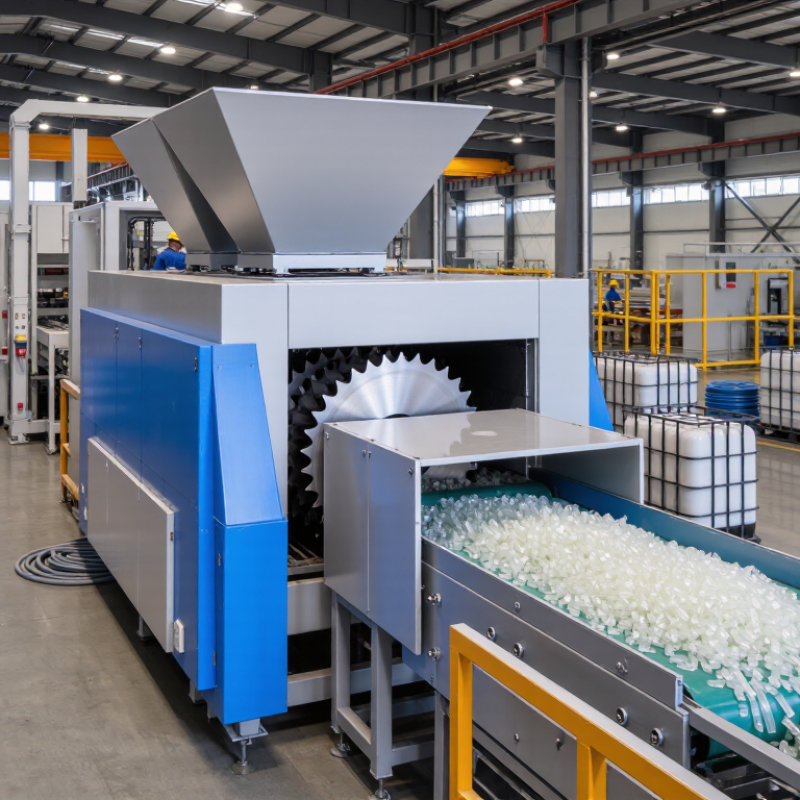
An HDPE shredder machine reduces hard plastic products into smaller, controlled pieces for washing, sorting, or reprocessing. HDPE, or high-density polyethylene, commonly appears in bottles, drums, pipes, crates, and industrial containers. Its typical density ranges from 0.94 to 0.97 g/cm³, helping separators distinguish it from lighter plastics.
The machine uses a driven rotor, fixed knives, and a cutting chamber. Some models include a screen that controls the final particle size. A suitable shredder should handle thick walls without excessive heat, dust, or motor overload. The OECD Global Plastics Outlook reported approximately 353 million tonnes of plastic waste in 2019. Only about 9% was recycled. This figure shows why reliable size reduction remains important, although shredding alone does not create recycled material. Washing, sorting, and quality control still decide the result.
Tips: Check the feedstock before purchase. Remove metal, stones, and trapped liquids. Measure actual throughput, not only the advertised capacity. In practice, dirty HDPE can cause bridging and uneven flakes. A neat-looking output is not proof of good recycling quality. Operators should inspect knife wear, vibration, and energy use regularly. I have found that small changes in moisture and contamination can affect performance more than expected. The PlasticsEurope circular economy reports also indicate rising demand for recycled plastics, but supply quality remains inconsistent. That weakness deserves honest attention when comparing HDPE shredder machine manufacturers.

China Top 10 HDPE Shredder Machine Manufacturers?
Evaluating an HDPE shredder manufacturer requires more than comparing motor power. PlasticsEurope reported 58.8 million tonnes of plastics production in Europe in 2022. This volume shows why stable recycling equipment matters. Ask manufacturers for a live test using your actual HDPE pipes, drums, or hollow containers. Observe feeding, rotor loading, discharge size, and screen changes. A smooth demonstration is useful, but one trial cannot prove long-term reliability.
Check the machine’s torque curve, knife geometry, chamber dimensions, and protection system. HDPE often behaves differently when wet, contaminated, or mixed with labels. Request measured throughput, energy use, noise, and dust-control results. These figures should come from documented tests, not attractive estimates. Safety design should align with principles in ISO 12100 and relevant machinery risk standards. Also inspect weld quality, bearing access, electrical components, and emergency-stop response. Small details become expensive during a night shift.
Tips: Compare test data under identical conditions. Ask for three customer references. Confirm spare-part delivery times and technician response. Review the warranty line by line. A low purchase price may hide costly downtime. I would also request a 24-hour endurance test, although many buyers skip it. That omission can be a mistake. Industry reports describe broad plastics growth, but they cannot predict your feedstock. Your own material test remains the most reliable evidence.
China’s top 10 HDPE shredder machine manufacturers are often compared through engineering depth, factory capacity, and service reliability. A credible ranking should examine more than website claims. It should review rotor design, knife hardness, motor efficiency, and real production tests. HDPE pipes, drums, and sheets require strong torque and controlled cutting, especially when wall thickness changes.
Experienced buyers can request sample shredding before placing an order. The test should record throughput, power use, noise, and particle size. A well-built machine should have reinforced bearings, accessible maintenance doors, and an overload protection system.
Safety guards and emergency stops must also match the buyer’s local requirements. Documentation matters. Clear wiring diagrams, spare-parts lists, and installation instructions often reveal a manufacturer’s professionalism.
The strongest manufacturers usually provide factory inspections, video commissioning, and responsive technical support. Some offer customized hopper sizes or hydraulic pushers for bulky HDPE waste. Yet a “top 10” list is not absolute. Prices, delivery periods, and component availability can change. I would compare at least three quotations and inspect reference installations. One overlooked detail is cleaning access. Small design flaws there can create long maintenance delays. A careful review should question impressive claims, not simply repeat them.
Comparing China’s leading HDPE shredder manufacturers requires more than checking motor power. In factory inspections, I examine rotor design, knife adjustment, welding quality, and safety interlocks. A machine with a 90 kW motor may process thick HDPE pipes efficiently. However, its output depends on material shape, moisture, feeding speed, and screen size.
Technology varies significantly. Some manufacturers use hydraulic pushers for bulky containers and pipes. Others offer dual-shaft systems for controlled, low-speed cutting. PLC monitoring, overload protection, and automatic reverse functions can reduce downtime. Wear-resistant knives also matter. Poor knife alignment creates vibration, heat, and uneven flakes.
Capacity should match the actual recycling line. Small units may handle several hundred kilograms per hour. Heavy industrial models can exceed one ton per hour, but only under suitable conditions. I have seen buyers select oversized equipment and later face unnecessary energy costs. That choice looked impressive, but it was not practical.
Service creates another clear difference. Reliable suppliers provide layout drawings, installation guidance, spare knife plans, and operator training. Response time matters when a bearing fails during continuous production. Ask for test videos using similar HDPE waste, not clean sample pieces. Check warranty terms carefully. Some service promises remain vague after payment.
Price still influences decisions. Yet the cheapest quote may hide weaker steel, limited controls, or expensive replacement parts. A careful comparison should include five-year operating costs, not only the purchase invoice.
When comparing China’s top 10 HDPE shredder machine manufacturers, avoid judging them by rankings alone. A suitable supplier should understand your actual material, including pipes, drums, sheets, or injection-molded parts. Ask for a test using your own HDPE samples. Watch the feeding process, rotor movement, discharge size, and motor load. Small details matter.
Request drawings with rotor diameter, knife thickness, chamber dimensions, power consumption, and expected output. A reliable manufacturer explains these figures clearly instead of promising unrealistic capacity. Check factory experience through dated production photos, customer references, and a live video inspection. Better still, appoint an independent inspector before shipment. It costs more, but prevents expensive surprises.
Safety and service deserve equal attention. Confirm emergency stops, overload protection, electrical components, guarding, and noise-control measures. Ask whether replacement knives, bearings, screens, and seals are readily available. Clarify installation support, warranty coverage, response times, and technician fees in writing. A polished brochure proves little. One overlooked question can matter. I would also compare the supplier’s answers across several conversations; inconsistent technical details may reveal weak internal control. The cheapest quotation may hide a smaller motor, thinner steel, or limited after-sales support. Leave room for doubt, then verify every important claim with documents, tests, and measurable specifications.