How to Choose the Best Small Tire Shredder for Your Needs?
In today’s recycling industry, the demand for effective waste management is critical. The global tire market produces approximately 1.5 billion used tires annually. A Small Tire Shredder becomes essential for managing this waste efficiently. According to industry reports, effective tire shredding can reduce tire volume by up to 80%.
When selecting a Small Tire Shredder, factors such as size, capacity, and durability must be considered. The wrong selection can lead to inefficiencies and increased operational costs. Look for models with robust features that allow for easy maintenance. It's vital to rely on reputable manufacturers known for quality and service support.
Always assess your specific needs. Are you processing large quantities or smaller batches? Evaluating your requirements can help guide your choice. While many products boast high quality, real-world performance may vary. Research thoroughly, and consider feedback from industry experts. A well-chosen Small Tire Shredder can transform your waste management operations.
Understanding Your Shredding Needs: Assessing Volume and Material
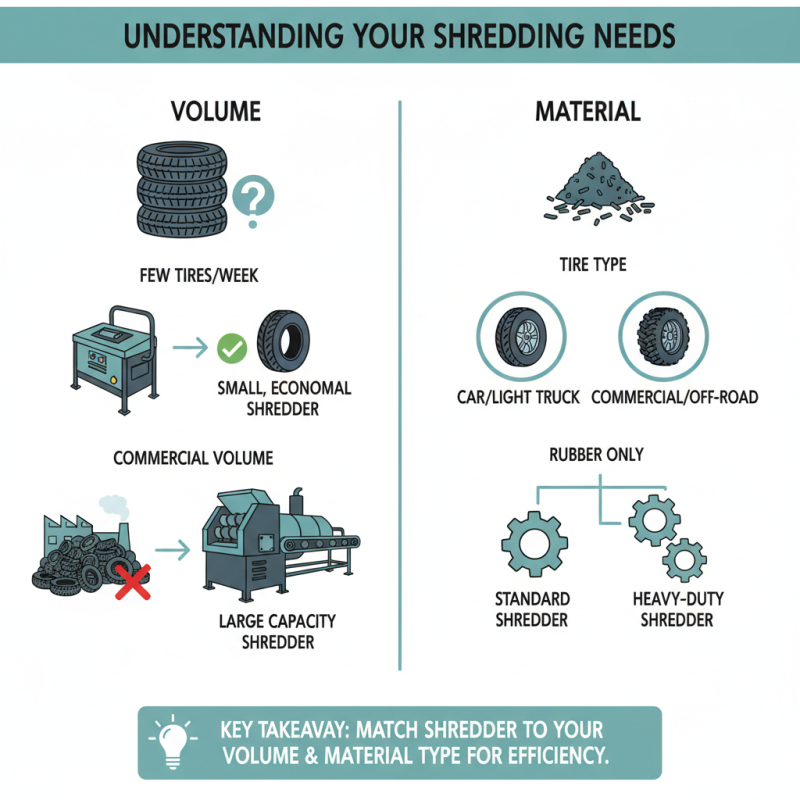
When selecting a small tire shredder, understanding your shredding needs is crucial. Start by assessing the volume of tires you plan to process. A higher volume demand might necessitate a more robust machine. If you're dealing with a few tires weekly, a smaller, more economical shredder could suffice. However, for commercial operations, you might need a larger capacity model to maintain efficiency.
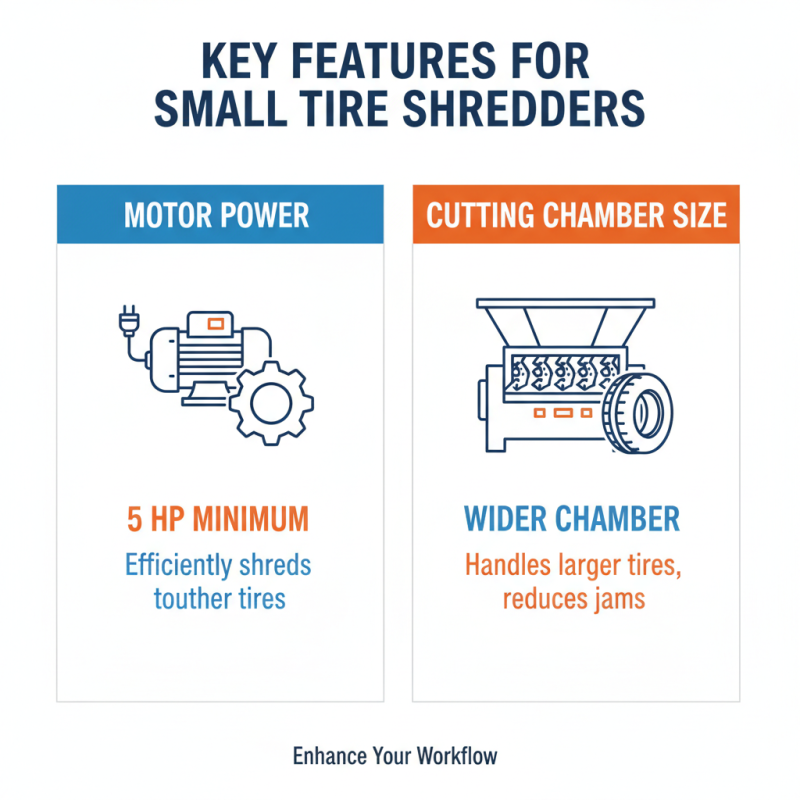
Next, consider the types of materials you will shred. Different machines handle varying materials differently. Some models efficiently shred rubber, while others may manage non-rubber materials as well. Look closely at the blade design and motor strength. Maintenance is also a vital aspect. A shredder that is easy to clean and maintain will save time and increase reliability. Always account for the potential wear on blades and the machine over time.
Don’t forget to evaluate the noise levels and safety features. High noise levels can disrupt a working environment and pose risks. Be conscious of these factors as they relate to your specific situation. Choices can seem overwhelming, and reflecting on your unique needs is essential. Adjust your selection criteria based on actual performance reviews rather than marketing claims.
Comparing Different Types of Small Tire Shredders Available on the Market
When selecting a small tire shredder, the variety of options can be overwhelming. This market offers different types, including single-shaft, dual-shaft, and granulator shredders. Each type caters to specific needs and applications, affecting their efficiency and output. For instance, a study from the Recycling Equipment Manufacturers Association (REM) highlights that dual-shaft shredders provide superior durability and lower maintenance costs. This can be a major advantage for businesses looking to minimize downtime.
Another essential factor is the shredder's capacity. According to industry reports, small tire shredders range from 500 to 5,000 pounds per hour, depending on the machine's design. A shredder's throughput directly influences its operational efficiency, highlighting the importance of matching the shredder's capacity to your needs. Certain models are more versatile, accommodating various tire sizes. Identify your specific requirements before making a choice.
Pay attention to the noise levels too. Some machines operate at 85 decibels or higher, which can be disruptive. EPR (Extended Producer Responsibility) compliance is also crucial, as it impacts waste management practices. Review data from recent studies focusing on tire recycling. They can offer valuable insights into the most efficient methods available. Being informed helps mitigate risks and guides you toward a suitable investment.
Importance of Safety Features and Maintenance in Tire Shredders
When selecting a small tire shredder, safety features should be your primary concern.
These machines can be dangerous if not operated correctly. Always look for shrouded blades and emergency stop buttons. These features protect the user from unintended accidents. The design should minimize the risk of injuries. Additionally, check for automatic shut-off mechanisms that activate during malfunction.
Maintenance is key to ensuring your tire shredder operates safely and efficiently. Regular inspections can help identify wear and tear before it becomes a serious issue. It’s crucial to keep the blades sharp and clear of debris. Neglecting maintenance increases the risk of accidents. Some users underestimate the importance of following the manufacturer's guidelines for upkeep.
Tips: Regularly lubricate moving parts to enhance performance. Clean debris from the machine after each use. Always wear safety gear, including gloves and goggles. Reflect on your safety practices; it’s easy to overlook these details. The smallest mistake can lead to a serious outcome. Prioritizing safety leads to better operation and longer machine life.
Evaluating Cost and Value: Budgeting for Your Tire Shredding Solution
When considering a small tire shredder, budgeting is key. Assessing your needs involves more than just the initial cost. Look at long-term value, maintenance, and operational expenses. This balanced approach ensures you invest wisely.
Tips: Determine how often you'll use the shredder. Frequent usage may justify a higher upfront cost. Calculate costs per tire to see if the investment saves money over time.
Think about additional features. A shredder may come with varying capacities and power options. Sometimes, a cheaper model appears attractive but might lack durability. Research warranties and service costs to gauge reliability.
Consider potential hidden costs. Energy consumption can significantly add to your expenses. Also, factor in disposal fees for shredded materials. These aspects affect your overall budget. Managing costs and understanding value leads to better decisions.
Evaluation of Small Tire Shredder Costs and Value
This chart illustrates the cost of small tire shredders across three categories: Low-End, Mid-Range, and High-End. Understanding the cost versus value can help you make an informed decision for your tire shredding needs.