2026 How to Choose the Best Tire Shredding Machine?
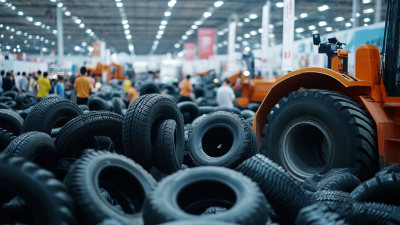
Choosing the right Tire Shredding Machine can be a daunting task. With various options on the market, it’s crucial to understand your needs. This machine plays a vital role in waste management and recycling processes. An efficient tire shredder enhances the quality of recycled materials.
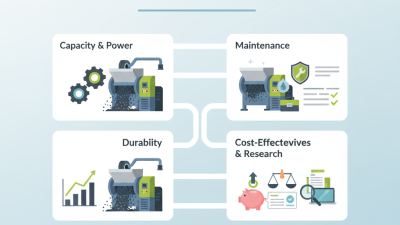
Consider factors like capacity, durability, and maintenance. These elements significantly impact performance and longevity. It’s also essential to assess the manufacturer’s reputation. A trusted brand often signifies quality and reliability. However, even well-known brands may have weaknesses; thorough research is critical.
Remember, the perfect tire shredding solution is not just about features. It’s also about how well it fits into your operations. A bit of reflection on your specific requirements can lead to better choices. Investing time in this process will ultimately pay off. Choosing the right Tire Shredding Machine can improve productivity and reduce costs.
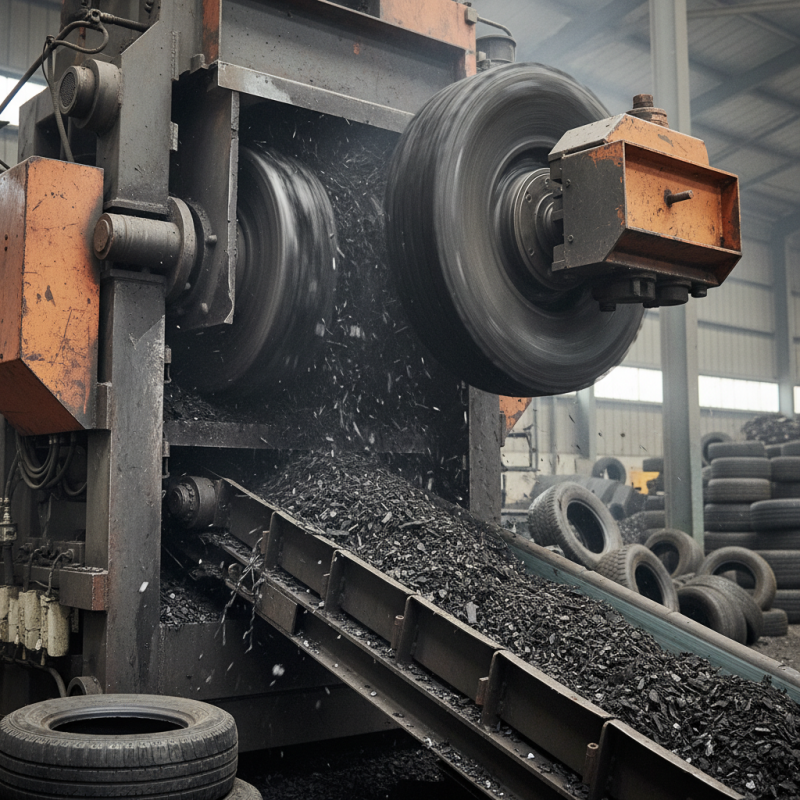
Understanding Tire Shredding Machines: An Overview
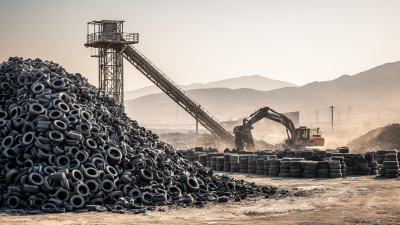
Tire shredding machines play a crucial role in environmental sustainability. They help recycle used tires, turning waste into reusable materials. Understanding their mechanisms and features is essential for effective operation. These machines typically consist of multiple components, including shredding blades, motors, and conveyors. Each part works together to ensure efficient tire processing.
When evaluating a tire shredding machine, consider its capacity. Some machines can handle large quantities, while others are designed for smaller operations. Look at the shredding mechanism as well. Different designs yield different sizes of shredded material. The final product might be used for various applications, from construction to energy production. Aim for machines that balance efficiency with durability, as this can impact long-term operational costs.
A vital aspect is regular maintenance. Machines require care to ensure optimal performance. Neglect can lead to breakdowns, affecting productivity. Familiarize yourself with common issues, such as wear and tear on blades. Knowing when to replace parts can save both time and money. Balancing efficiency and upkeep is crucial in this industry. It is an ongoing learning process.
2026 Tire Shredding Machine Performance Comparison
Key Factors to Consider When Selecting a Tire Shredding Machine
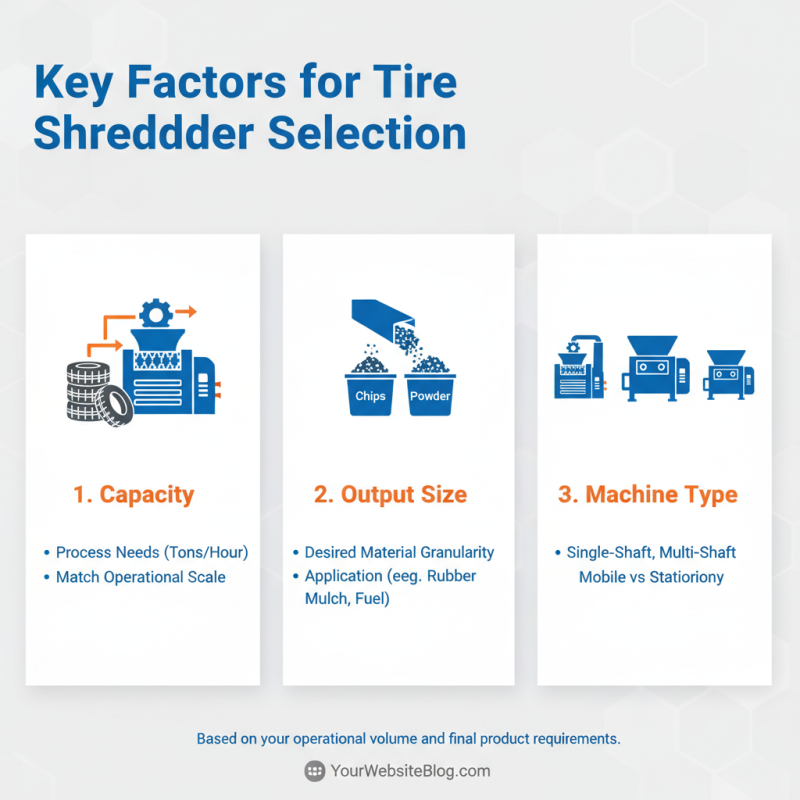
When selecting a tire shredding machine, several key factors should influence your decision. Capacity is critical. Understand your processing needs. Machines come in various sizes, capable of shredding different quantities of tires per hour. A machine that processes 1 ton per hour may not suffice for larger operations, which might need a 5-ton capacity or more.
Energy efficiency is another crucial aspect. According to industry research, energy costs can account for up to 20% of operating expenses. An efficient machine reduces this overhead and contributes to sustainability goals. Look for machines that offer variable speed options. This allows for better control over the shredding process, adapting to different tire types and sizes.
Maintenance requirements must also be examined. Some machines require regular part replacements, increasing downtime. Research suggests that machines with modular designs allow for easier upkeep and quicker repairs. Evaluate the machine's warranty. A strong warranty can indicate a manufacturer’s confidence and commitment to quality. These considerations will help to ensure that the chosen tire shredding machine meets both operational and financial goals in the long run.
Comparing Different Types of Tire Shredding Technologies
When selecting a tire shredding machine, it's crucial to understand the different technologies available. Each type serves various needs, and the right choice can significantly impact efficiency. For instance, some machines use hydraulic systems while others depend on electric or mechanical methods. Hydraulic machines tend to handle tougher materials but may require more maintenance.
Interestingly, the granulation process varies too. Some machines produce uniform particle sizes, which are essential for specific applications. Others may create inconsistent sizes, which can be a drawback. This inconsistency might lead to challenges in further processing. It's important to weigh these factors based on your operational goals.
Moreover, consider the machine's capacity and power consumption. High-capacity machines can process more tires but often consume more energy. Striking a balance is key. While efficiency is important, be wary of the upfront costs versus long-term savings. Reflect on your needs and how each machine's technology aligns with your business's goals.
Evaluating Production Capacity and Efficiency Needs
When choosing a tire shredding machine, understanding production capacity and efficiency is crucial. The tire recycling industry is projected to grow at a compound annual growth rate of 3.74% from 2021 to 2026, indicating increased demand for efficient shredding solutions. Selecting equipment that meets your operational needs directly impacts profitability. Analyze your production requirements before making a purchase.
An effective tire shredding machine should deliver the desired throughput. Many machines vary in capacity, ranging from 1 to 10 tons per hour. It may seem tempting to opt for higher-capacity models. However, consider the quality of shredding. A machine that produces uniform particle sizes improves the recycling process. Efficiency is not solely about volume; speed and quality must work in tandem.
It’s worth noting that investing in a machine with a faster processing speed may not always yield positive results. Over-processing tires can lead to increased wear and tear. Conversely, a machine with slower throughput might be more reliable for long-term operations. Evaluate maintenance costs as part of your efficiency analysis. Understanding these dynamics can lead to better decision-making in your tire recycling venture.
Assessing Maintenance and Support Options for Tire Shredders
When selecting a tire shredding machine, maintenance and support options are crucial. A reliable machine requires regular upkeep to function optimally. It’s vital to examine what maintenance services are available.
Evaluate if the manufacturer offers a comprehensive service plan. A good service plan can include preventive maintenance schedules. This reduces the risk of unexpected breakdowns and prolongs the machine's life.
Consider the availability of spare parts. It's not just about having a machine that works—it's more about keeping it running smoothly. Unsourced parts can lead to complications. Always check if the parts can be quickly obtained.
Ask about the manufacturer's support response times. Timely assistance can save you from prolonged downtimes.
Some may overlook training for operators. Proper training is essential for minimizing mishaps and ensuring efficient operation. A lack of knowledge can lead to mistakes.
These can affect production quality. Make sure that support includes training resources. Reflecting on these aspects will lead to a better long-term investment in your tire shredding machine.