Why Choose a Rubber Tire Shredder for Your Recycling Business?
In the growing landscape of recycling businesses, the choice of machinery is crucial. One standout option is the Rubber Tire Shredder. This equipment significantly enhances the recycling process, contributing to a circular economy. According to a report by the Environmental Protection Agency, recycled tires can save approximately 2 billion gallons of oil each year. This data underscores the necessity of effective tire recycling.
Industry expert Dr. Emily Carter, a leading figure in waste management, emphasizes, "Investing in advanced Rubber Tire Shredders is essential for sustainability." Her insights highlight the importance of using high-quality shredders to maximize efficiency in tire processing. As demand for sustainable practices rises, businesses must adapt accordingly.
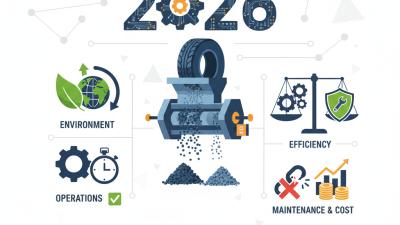
While Rubber Tire Shredders are invaluable, their proper utilization requires investment and expertise. Some companies may underestimate maintenance needs, affecting performance. It's vital to understand the balance between cost and long-term benefits when choosing this machinery. Reflecting on these aspects can lead to improved operational strategies in the recycling industry.

Benefits of Rubber Tire Shredders in Waste Management and Recycling
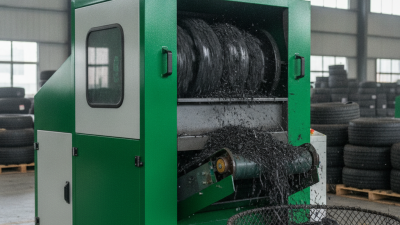
Rubber tire shredders play a vital role in waste management and recycling. They effectively process old tires, reducing the volume and making materials easier to handle. By breaking down tires into smaller pieces, these machines help reclaim valuable resources like rubber, steel, and fiber. This recycling process not only conserves natural resources but also reduces the space required for landfills.
Beyond the environmental impact, using a rubber tire shredder can enhance business efficiency. Shredded rubber can be reused in various applications, such as playground surfaces or asphalt production, generating new revenue streams. Moreover, the equipment can help businesses comply with waste disposal regulations, which can be beneficial in the long run.
Consider maintaining your shredder regularly to ensure optimal performance. A well-maintained machine can improve productivity and reduce downtime. Additionally, train your staff on machine operation and safety. This ensures that they are familiar with potential hazards and the proper procedures for handling equipment. These steps can maximize efficiency while minimizing risk.
Key Industry Statistics on Tire Waste and Recycling Efficiency
Every year, billions of tires are discarded worldwide, creating a significant waste problem. In the United States alone, around 290 million tires are scrapped annually. This statistic underscores the necessity of effective recycling solutions. Using only 12% of discarded tires for recycling, a gap exists in our efficiency. Rubber tire shredders can bridge this gap by transforming old tires into usable materials.
The benefits of rubber tire shredders extend beyond efficiency. They help reduce landfill usage and streamline recycling processes. Shredded tires can be repurposed for various applications. These include playground surfaces, road construction materials, and fuel sources. Yet, businesses often struggle with the initial setup costs and operational complexities. It's vital to analyze whether these challenges can be overcome with a well-planned approach.
Adopting advanced shredding technologies can enhance recycling efficiency. However, it's crucial to remain vigilant about maintenance and operation. Inefficient machinery could lead to higher operational costs. There is room for improvement in optimizing rubber tire shredding processes. Reflecting on these aspects can guide businesses to make informed choices for effective waste management.
Key Statistics on Tire Waste and Recycling Efficiency
This bar chart displays the critical statistics regarding tire waste and recycling efficiency within the industry. The data illustrates the volume of processed tires compared to those landfilled, recycled materials used, and wasted resources. The figures highlight the importance of utilizing rubber tire shredders in recycling efforts to enhance efficiency and reduce waste.
How Rubber Tire Shredders Improve Material Recovery Rates
Rubber tire shredders play a crucial role in enhancing material recovery rates in recycling businesses. According to the U.S. Environmental Protection Agency, around 300 million tires are discarded annually in the United States alone. Efficient processing of these tires is essential to reduce landfill waste and maximize resource recovery. Shredding tires transforms them into smaller pieces, making it easier to separate rubber from metal and fiber. This process significantly boosts the quantity of recoverable materials, making it more profitable for recyclers.
Using a rubber tire shredder can increase material recovery rates by up to 40%. The reduction in size facilitates better handling and processing of rubber materials. Studies show that fine-tuning the shredder's settings can improve the quality of the output. Operators should routinely monitor equipment to ensure optimal performance and adjust settings as needed.
Proper maintenance of shredders is key. Regularly inspecting the blades can prevent unnecessary downtime. Operators should also be aware of the wear and tear that comes with prolonged use. Taking the time to replace worn parts can enhance shredding efficiency. It's essential to reflect on operational practices and seek areas for improvement. Balancing efficiency and output quality remains a challenge in the recycling industry.
Environmental Impact of Using Rubber Tire Shredders in Recycling
Using rubber tire shredders in recycling has significant environmental benefits.
First, these machines help reduce waste in landfills. Tires take decades to decompose. Shredding tires breaks them down into smaller pieces, making them easier to repurpose. Rather than sitting idle in landfills, shredded tires can be used in various applications.
Additionally, recycling rubber reduces the need for new materials. This process lowers the carbon footprint associated with production. It lessens reliance on petroleum-based products. When tires are recycled, they can become playground surfaces, road material, or even biomass fuel. The environmental impact is not just about waste reduction, but also about conserving resources.
However, challenges exist in the recycling process. Not all tires can be easily shredded or recycled. The mixture of materials may lead to contamination. Further, some facilities lack adequate technology to handle specific types of tires. This complexity requires ongoing research and innovation. There’s room for improvement in efficiency and effectiveness within the industry.
Innovations in Rubber Tire Shredding Technology for Sustainable Practices
The rubber tire shredding industry is evolving rapidly. Innovations in rubber tire shredding technology are key for sustainable recycling practices. Advanced shredders improve efficiency and reduce energy consumption. According to a recent report by the Environmental Protection Agency, proper tire recycling can divert over 80% of used tires from landfills. This creates not just eco-friendly products, but also significant economic benefits.
Implementing new shredding techniques can minimize wear on machinery. Improved blade designs and cutting technologies allow for faster processing times. The market for recycled rubber products is expanding, projected to reach $8 billion by 2025. This growth suggests that investing in modern shredding equipment is not only environmentally sound but also financially advantageous.
The recycling sector needs constant reflection. Some businesses struggle to keep pace with technological advancements. Efficiency can sometimes suffer from outdated equipment. Understanding this, businesses should regularly assess their shredding processes. Embracing innovation can lead to substantial operational improvements and a smaller carbon footprint. A sustainable approach isn't merely beneficial; it's crucial for long-term success.