Best Small Tire Shredder for Efficient Recycling Solutions?
In an era where sustainable practices are paramount, the demand for efficient recycling solutions has surged. A key player in this field is the "Small Tire Shredder." This equipment simplifies tire recycling, a process vital for reducing landfill waste. According to a recent report from the Circular Economy Institute, over 1 billion tires are discarded annually worldwide. This highlights a pressing need for effective recycling methods.
David Johnson, a leading expert in the tire recycling industry, emphasizes, "Adopting a small tire shredder can drastically improve the efficiency of our recycling efforts." His insights reflect the industry's shift towards innovative systems that reduce environmental impact. Small tire shredders not only support efficient recycling, they also create valuable materials for reuse.
Investing in the right equipment is critical. Some businesses struggle to find reliable machinery that meets their specific needs. Many small tire shredders may lack the capacity or technology to handle increased volumes. This inconsistency in quality leaves room for improvement within the industry. As the demand for recycling solutions expands, so does the potential for advancements in small tire shredding technology.
Best Small Tire Shredder: Overview of Efficient Recycling Technologies
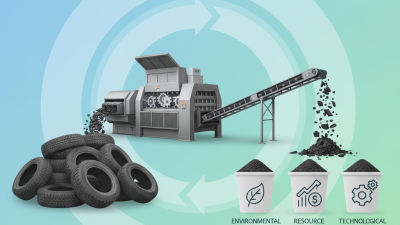
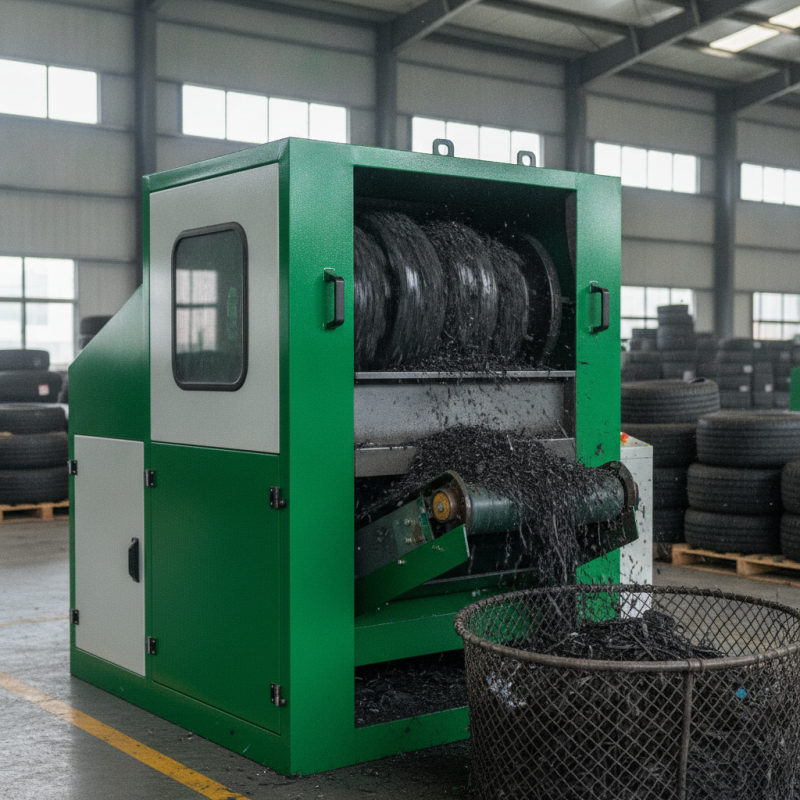
The demand for effective tire recycling solutions has increased significantly in recent years. According to the Tire Industry Association, approximately 290 million tires are discarded annually in the U.S. alone. Small tire shredders have emerged as crucial tools in managing this growing waste stream. They provide efficient, space-saving options for recycling facilities, making it easier to process used tires into reusable materials.
Modern shredding technologies utilize innovative designs to enhance performance. These small tire shredders can efficiently break down tires into uniform pieces. Some models achieve a throughput of 1,500 pounds per hour, depending on the design and capacity. This efficiency is essential, given that shredded rubber has various applications, including playground surfaces and asphalt additives. The versatility of shredded tire material contributes to its increasing demand in various industries, which in turn drives the need for more efficient recycling methods.
However, efficiency is not without its challenges. Operators often face issues with wear and tear, particularly in blades and screens. Regular maintenance becomes crucial to maximize uptime and ensure consistent output quality. Moreover, while small tire shredders can reduce the space required for storage, they can also create noise and dust. This highlights the need for proper infrastructure and operational guidelines to mitigate potential environmental impacts. Balancing efficiency with these operational challenges remains a key concern within the recycling sector.
Best Small Tire Shredder for Efficient Recycling Solutions
This chart represents the performance metrics of small tire shredders in terms of energy efficiency, processing speed, output size, and noise level. The values are indicative of their capabilities in efficient recycling solutions.
Key Features to Consider in Small Tire Shredders for Efficiency
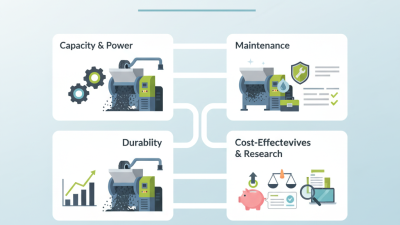
When choosing a small tire shredder, several key features are essential for maximizing efficiency in tire recycling. The shredder’s capacity significantly influences its performance. A well-designed shredder should easily handle different tire sizes. Many industry reports suggest that shredders with a capacity of over 1,000 pounds per hour can greatly enhance operational efficiency.
Additionally, the blade configuration is vital. High-quality steel blades ensure longevity and effective shredding. Efficiency can drop dramatically if blades become dull or misaligned. Studies indicate that regular maintenance can extend blade life by up to 30%.
Consider the size of the output material. For optimal recycling, shredded materials must meet specific size requirements, typically less than 2 inches. Many operators overlook this, leading to inefficiencies in downstream processes. Proper sizing leads to increased surface area, which can improve recycling yield rates significantly.
Tips: Regularly inspect blades to prevent wear and guarantee effective shredding. Training staff on operational best practices can reduce errors, enhancing overall performance. Lastly, document your processes. This practice can reveal areas for improvement over time.
Industry Standards and Regulations Impacting Small Tire Shredding Equipment
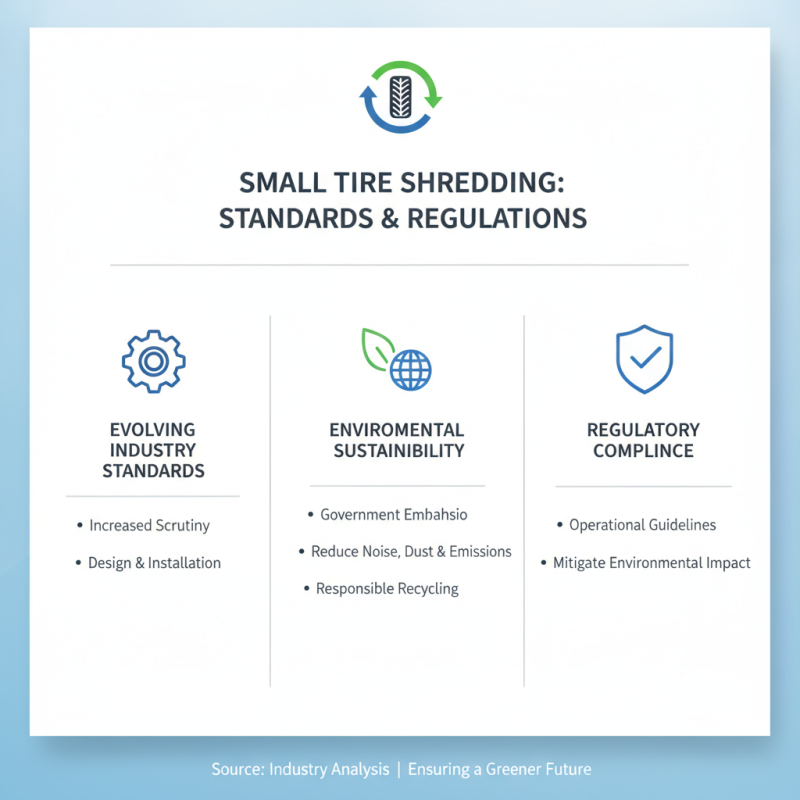
The small tire shredding industry faces increased scrutiny due to evolving industry standards and regulations. Governments are emphasizing environmental sustainability. These rules shape how small tire shredders are designed, installed, and operated. Compliance ensures that shredders reduce noise, dust, and emissions effectively. The focus is on responsible recycling practices that mitigate environmental impact.
When selecting a shredder, whether it is for a small business or larger operation, considering regulations is crucial. Look for machines that meet your local and international standards. Always check for certifications that reflect good environmental practices. This is a vital step for long-term operational success.
Tip: Keep up with local regulations and industry news to avoid fines or shutdowns. Regular training for staff about compliance is equally important. Ensure your operations align with best practices. That way, you can enhance your efficiency while contributing positively to the environment. Additionally, a review of shredders should account for energy efficiency. An effective model will save costs and comply with regulations.
Comparative Analysis of Performance Metrics in Small Tire Shredders
In recent years, small tire shredders have gained attention for their efficiency in recycling operations. A 2021 industry report highlighted that up to 30% of used tires are not recycled globally. This inefficiency poses a threat to the environment. Thus, selecting the right small tire shredder becomes crucial. Performance metrics, such as processing capacity and energy efficiency, vary significantly among models. A shredder with a higher throughput can process over 1,000 pounds per hour, while others may only manage 500 pounds.
Performance metrics must also include noise and vibration levels. Excessive noise can disrupt recycling facilities, making less powerful shredders appealing. However, these models often struggle with tougher materials. When choosing a shredder, look for one that balances power and sound levels.
Tips: Assess the specific tire types you will be processing. This affects the shredder’s razor sharpness and motor strength. Ensure your equipment offers easy maintenance access. Regular maintenance can reduce breakdowns, improving overall productivity. Lastly, evaluate the initial investment against potential long-term savings through efficiency gains. Choosing wisely today can boost your recycling efforts tomorrow.
Best Small Tire Shredder for Efficient Recycling Solutions
| Model |
Power (kW) |
Output Capacity (kg/h) |
Shredding Size (mm) |
Weight (kg) |
Operational Efficiency (%) |
| Model A |
15 |
500 |
50 |
300 |
85 |
| Model B |
20 |
700 |
40 |
350 |
90 |
| Model C |
18 |
600 |
30 |
400 |
88 |
| Model D |
22 |
800 |
35 |
500 |
92 |
Innovative Applications of Recycled Tire Materials in Various Industries
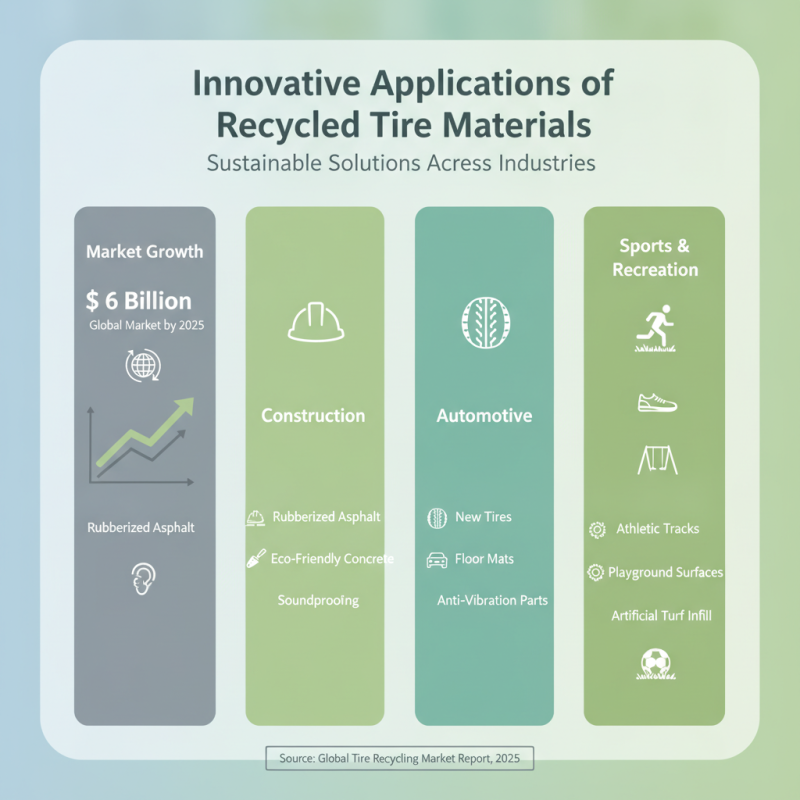
Recycled tire materials have found numerous innovative applications across various industries. Studies show that the global tire recycling market is projected to reach $6 billion by 2025. This growth highlights the rising demand for sustainable materials in construction, automotive, and even sports fields.
In construction, recycled tires are used in asphalt mixtures. This not only reduces landfill waste but also enhances the durability of roads. Reports indicate that incorporating up to 20% of crumb rubber can improve road performance significantly. However, the process of blending rubber with asphalt still requires refinement. It can be challenging to maintain consistency in quality and durability.
Another industry benefiting from recycled tire materials is the automotive sector. Manufacturers use recycled rubber for gaskets and seals. This not only cuts costs but also lessens environmental impact. Yet, the adoption rate can be slow due to concerns about reliability and performance. More research is needed to address these potential issues.