Inquiry
Form loading...

How to Choose the Best Slow Edge Crusher in China

Choosing a Slow Edge Crusher in China starts with the material, not the machine’s headline capacity. Edge trim, sprues, and rejected parts can vary in thickness and shape. That variation affects feeding, cutting, and the consistency of the output. A model suited to one production line may struggle on another.

Check the feed opening, rotor design, knife arrangement, motor power, and expected throughput against your actual material. Ask the supplier how often knives need adjustment and how routine cleaning is performed. Small details matter. A narrow access panel, for example, can make daily maintenance slower than the specification sheet suggests. Request a material trial when possible, using representative samples rather than idealized pieces. Observe feeding stability, particle size, operating noise, and whether material builds up inside the chamber.

Compare more than purchase price. Spare-part availability, clear operating documentation, warranty terms, and responsive technical support can shape the machine’s long-term value. Review test records and product specifications carefully, and ask for clarification where figures are unclear. A brochure can make every model look right. It cannot prove how a crusher will perform on your line. Some comparisons remain imperfect because suppliers may measure capacity under different conditions. Treat that uncertainty as a reason to verify assumptions, not as a reason to guess. This guide outlines practical questions for evaluating Chinese manufacturers and selecting a Slow Edge Crusher that fits your process, workload, and maintenance resources.
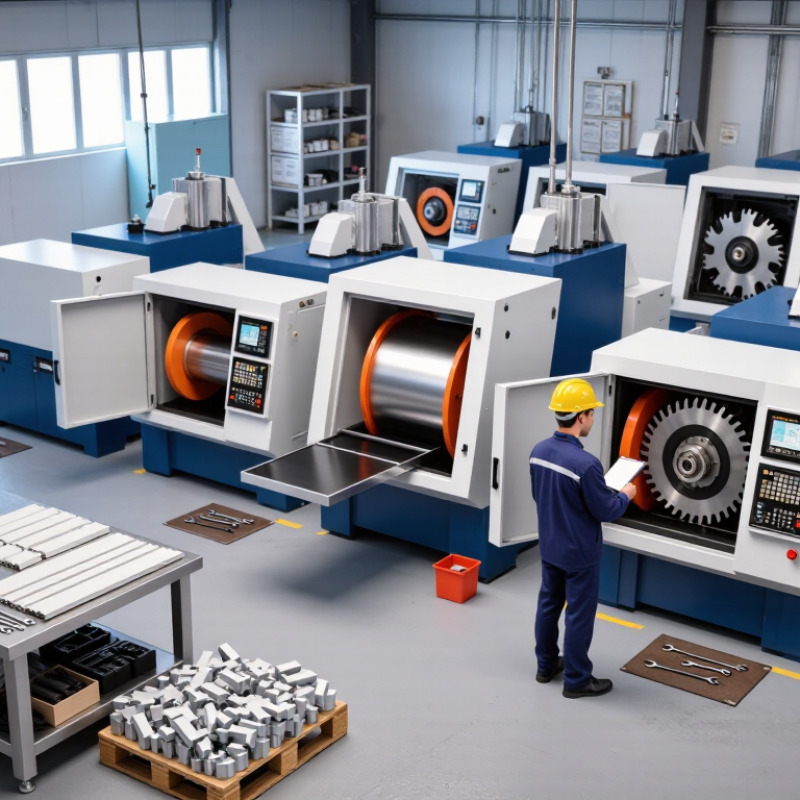
How to Choose the Best Slow Edge Crusher in China

What a Slow Edge Crusher Is and How It Works

How to Choose the Best Slow Edge Crusher in China

A slow edge crusher is a compact granulator placed near a molding machine. It processes clean sprues, runners, and rejected parts so suitable material can be returned to production. “Edge” often refers to this point-of-use role, though suppliers may use the term differently. Confirm the machine’s intended material and application before comparing models.

Inside, a geared motor turns a knife rotor at relatively low speed. Rotary knives shear material against stationary knives; a screen controls the approximate output size. The operator feeds offcuts through the hopper, then checks the granulate for uniformity and contamination. Slow operation can limit dust and noise, but results depend on knife condition, feed shape, and settings. Not magic.

Scale gives this small machine a wider context. Plastics Europe’s Plastics – the Fast Facts 2024 report estimates global plastics production at 413.8 million tonnes in 2023. That figure is not a measure of crusher demand, but it shows why managing production scrap matters. When assessing a unit, check throughput against your actual offcut volume, screen access, guarding, and cleaning time. Ask for a test using your own material; a neat sample alone may not predict daily performance. One detail is easy to miss: returned regrind may behave differently in the process, so validate the blend before routine use.
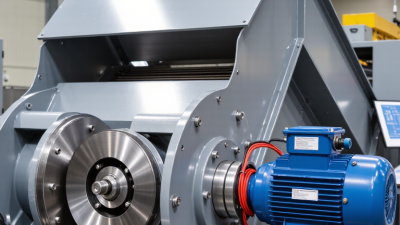

Which Materials and Production Tasks It Can Handle

How to Choose the Best Slow Edge Crusher in China

Choosing a slow edge crusher in China means matching its rotor and screen to the scrap, not just the machine label. It can process clean, dry thermoplastic sprues, runners, rejected molded parts, and extrusion edge trim. With suitable configuration, it may handle PP, PE, ABS, and similar plastics. Thick parts need a wider feed opening; thin trim may wrap or bridge. So check actual feedstock. Not every mix works.

The OECD’s Global Plastics Outlook (2022) estimates that 353 million tonnes of plastic waste were generated worldwide in 2019, and only 9% was ultimately recycled.

This is not a crusher-performance benchmark, but it highlights the value of clean, traceable production scrap.

Depending on its design, a slow rotor can reduce noise and dust compared with high-speed granulation, while producing coarser regrind. Screen size, knife clearance, throughput, and material temperature affect the output. I would test real scrap before specifying capacity; catalogue figures can be optimistic.

Tips: Trial the thickest runner and longest trim strip you expect to process. Confirm particle size, motor load, and whether the regrind feeds back reliably. Keep metal out and inspect knives regularly. A small trial can reveal bridging that a specification sheet misses.

How to Match Capacity and Configuration to Your Needs

Matching capacity starts with the scrap, not the motor rating. Record the edge material’s width, thickness, and resin type, then estimate kilograms per hour during normal production and peak periods. A machine rated for ideal, continuous feeding may struggle when operators add bulky trim in uneven batches. Peak loads matter.

Configuration should suit both the feed pattern and the required output. Check the hopper opening against the widest pieces, and ask whether the rotor and cutting arrangement handle flexible or brittle scrap cleanly. Screen size affects particle size and throughput; finer output can mean slower processing. Also confirm power supply, floor space, access for cleaning, and how collected material will be returned to production. Small details matter.

Before selecting a model, request a test using representative offcuts, including the thickest pieces you expect to process. Observe feeding, sound, jams, and the size of the discharged material. A brochure rating can look reassuring, but it may reflect ideal conditions rather than your shift. The estimate will not be perfect; operator habits and changing scrap volumes are hard to predict. Leave some capacity headroom, without buying a configuration that sits idle most of the day.

How to Evaluate Chinese Manufacturers, Quality, and Compliance

When evaluating Chinese slow edge crusher manufacturers, look beyond polished product photos. Brochures are not proof. Ask for a live test using your own plastic sprues, including the material’s shape and approximate moisture level. Run your material. Observe whether feeding stays steady and whether the machine clears jams without awkward manual adjustments. Record throughput, noise, and motor temperature during a sustained run. Compare these results with the supplier’s written specifications, not just verbal estimates. Small differences matter.

Inspect the cutting chamber, rotor, and replaceable blades for consistent workmanship. Ask how blade gaps are adjusted and what wear parts cost. Request material certificates, inspection records, wiring diagrams, and a clear list of included safety devices. Confirm that the machine’s electrical configuration and documentation match your site and applicable destination-market requirements. A certificate alone may not confirm the delivered machine is configured as promised. Match serial numbers and key specifications across the quotation, inspection report, and shipping documents. I would also ask for a pre-shipment video showing the finished unit and its controls. It is not a substitute for inspection, but it can expose mismatches early. Keep some room for doubt: sample tests may not reflect every production shift.

How to Compare Quotes, Test Performance, and After-Sales Support

When comparing slow edge crusher quotes in China, check what each price includes. Ask for the same machine configuration, motor rating, screen size, and delivery terms. Numbers matter. A low quote may exclude installation, operator training, or spare blades. Request a written list of included items and replacement-part prices. Also confirm the proposed machine can handle your actual edge-trim material, not just a clean sample.

Test performance using your own material whenever possible. Agree on feed rate, operating time, and acceptable output size before the trial. Run it twice. Weigh the input and usable output, and note jams, vibration, and heat. Inspect the crushed material for long strips or uneven pieces. Keep records. A short demonstration can look convincing, but production shifts are less predictable. That sounds tidy; real scrap rarely is. Ask how blade wear and mixed material may change results over time.

After-sales support should be specific, not just described as “available.” Ask who handles technical questions, typical response times, and whether support is offered in your working hours. Confirm which wear parts are stocked, how quickly they can be shipped, and what troubleshooting guidance is provided. A clear service contact and practical maintenance instructions can prevent avoidable downtime. If promises remain vague, treat that as a risk and clarify them in the purchase agreement.

How to Choose the Best Slow Edge Crusher in China

Compare supplier quotes, verify performance with material trials, and assess after-sales support before making a decision.

Example buyer checklist scores on a 1–5 scale, not supplier-specific results. Score each offer using itemized costs, a trial with your own scrap, confirmed throughput and particle size, and written service and spare-parts terms.