2026 How to Choose the Best Circuit Board Crusher for Your Needs?
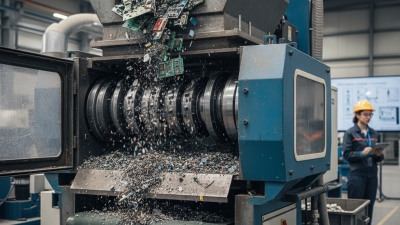
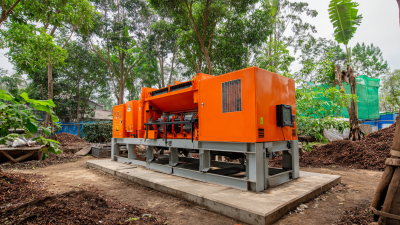
Choosing the right Circuit Board Crusher is essential for any business involved in electronics recycling. The global market for electronic waste is rapidly growing, reaching approximately 50 million tons annually. High demand for efficient, reliable processing solutions drives innovation in this field. Specialized machines are required to handle diverse circuit board materials effectively.
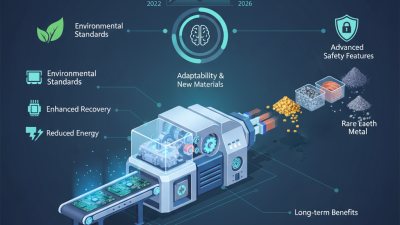
A good Circuit Board Crusher should enhance recovery rates of precious metals, like gold and silver, found in electronic components. Industry reports highlight that up to 90% of these metals can be recovered with advanced crushing technologies. However, not all machines are created equal. Consider factors such as size, efficiency, and maintenance needs when making a choice.
Investing in the right equipment can save costs in the long run. Yet, there can be challenges. Some machines produce excessive noise and vibrations. This may impact workplace conditions. It is crucial to weigh these factors and read user reviews. Doing so adds insight into real-world performance and reliability.
Choosing the Right Circuit Board Crusher: Key Considerations
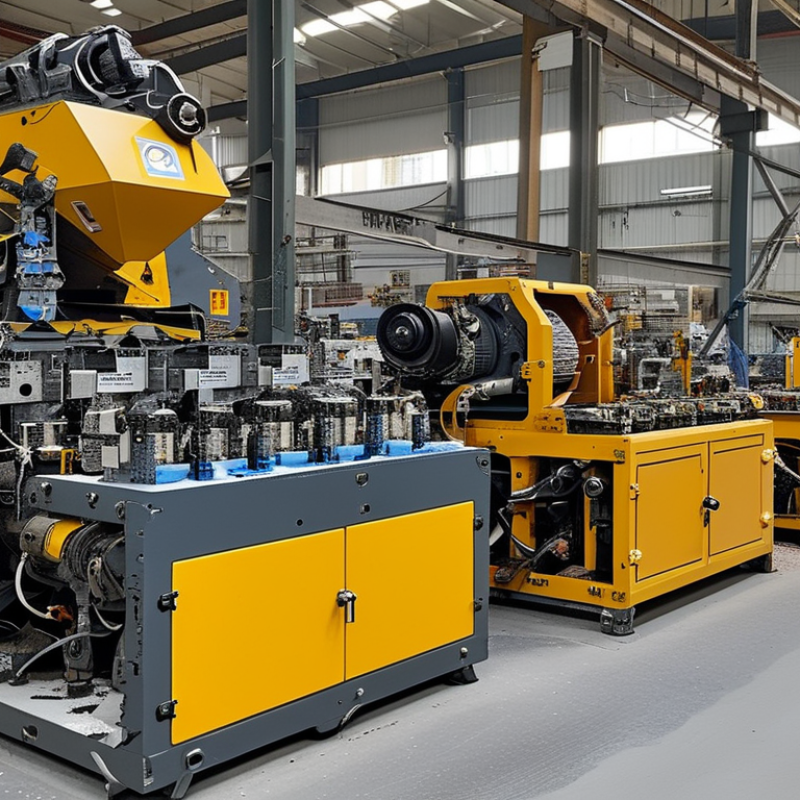
When selecting a circuit board crusher, several key considerations must guide your decision. The efficiency of the device is crucial. According to a recent report, efficient circuit board crushers can process up to 1,200 kg of material per hour. This efficiency is vital for companies that handle large volumes of electronic waste. Confirm the machine's output does not compromise on recovery rates, as extracting valuable materials like gold and copper is a key goal.
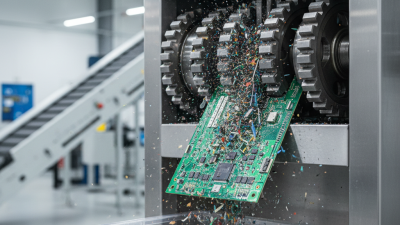
Another critical factor is the machine’s capacity to handle different types of circuit boards. Reports suggest that versatile crushers can accommodate various materials, whether mixed or homogeneous. You may find that some machines struggle when faced with multilayer boards, which are notorious for their complex structures. Hence, it’s advisable to opt for a model known for its adaptability and durability. Look for feedback from industry users to gauge real-world performance and maintenance needs.
Finally, consider the long-term cost implications. While upfront costs can vary, maintenance and operational efficiency play significant roles. Some crushers incur high wear and tear, resulting in frequent repairs. Industry data reveals that over 30% of companies experienced unexpected downtime due to equipment failure. Thus, investing in reliable technology with a proven track record is often more cost-effective in the long run.
2026 Circuit Board Crusher Performance Comparison
Analyzing Different Types of Circuit Board Crushers on the Market
When selecting a circuit board crusher, it's essential to understand the different types available. One common type is the hammer mill. This machine uses rotating hammers to break down circuit boards into smaller pieces. It’s effective but can sometimes create fine dust. This dust can be a nuisance and may require extra safety measures.
Another option is the shredder, which offers a different approach. It uses sharp blades to slice through the circuit boards. Shredders produce larger pieces, making it easier to sort materials afterward. However, the initial cost of shredders can be high. Users must assess their specific needs and budget.
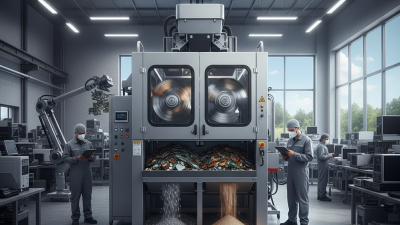
Lastly, consider the impact of size and capacity. Larger machines can process more material but may require more space. Smaller units are easier to manage but may not be suitable for heavy use. Finding the right balance is crucial. Each type has its strengths and weaknesses, inviting careful consideration before making a decision.
Understanding Processing Capacity: Pounds Per Hour for Efficiency
When considering a circuit board crusher, processing capacity is a critical factor. It is typically measured in pounds per hour (PPH). Many reports indicate that an efficient machine can process around 1,000 to 1,500 pounds per hour. This capacity is ideal for medium-sized operations. Larger facilities may need machines capable of processing over 2,000 pounds per hour to meet their demands.
Efficiency goes beyond just the PPH value. It includes how effectively the machine operates over time. Regular maintenance can affect performance. Reports suggest that neglecting upkeep can reduce efficiency by up to 30%. It's important to weigh these factors when selecting your equipment. Reliable data shows that machines with higher processing capabilities tend to use more energy. This raises concerns about operational costs.
Understanding the specific needs of your operation is essential. Evaluate your current volume and future projections. If your processing needs exceed 1,500 pounds per hour, consider machines that offer scalability. However, investing in a machine that is too powerful can lead to underutilization. Balancing capacity with actual needs is vital for economic and operational efficiency.
Evaluating Material Compatibility: Recycling Various Circuit Boards
When recycling circuit boards, understanding material compatibility is crucial. Different types of circuit boards contain varying materials. This diversity impacts how they should be processed. Some boards may have high-value metals, while others could be primarily plastic. Knowing how to identify these materials can improve your recycling efficiency.
Tips:
- Assess the types of circuit boards you have. Look for any markings that indicate material composition. This step can help you choose the right crusher.
- Next, consider the processing capacities of various machines. Not all crushers handle every type of circuit board effectively. Each crusher has its strengths and weaknesses.
Inappropriate processing can lead to lower recovery rates. Some materials may not break down well if the wrong equipment is used. Be aware that certain plastics release harmful substances when crushed. This can pose safety risks and complicate the recycling process. Reflect on these challenges before selecting your equipment.
Assessing Cost-Effectiveness: Initial Investment vs. Long-Term Savings
Choosing a circuit board crusher requires careful consideration of costs. It's tempting to focus only on the initial investment. However, long-term savings can significantly impact your financial bottom line. Quality machines may have a higher upfront cost but can offer better efficiency and durability. This means fewer replacements over time.
When assessing cost-effectiveness, consider maintenance and operating expenses. Some lower-cost machines may require frequent repairs or consume more energy. This can lead to hidden costs that add up quickly. A more reliable and energy-efficient crusher can save money in the long run.
Think about your specific needs. A large volume of scrap may justify spending more upfront for a robust solution. Reflect on your production rates. Sometimes, the cheapest option is not the wisest choice. Analyze your budget and projected usage thoroughly. Making an informed decision can lead to substantial savings.
2026 How to Choose the Best Circuit Board Crusher for Your Needs? - Assessing Cost-Effectiveness: Initial Investment vs. Long-Term Savings
| Model |
Initial Investment ($) |
Annual Operating Cost ($) |
Expected Lifespan (Years) |
Estimated Annual Savings ($) |
Total Savings Over Lifespan ($) |
| Crusher A |
5000 |
200 |
10 |
1500 |
15000 |
| Crusher B |
7000 |
300 |
8 |
1200 |
9600 |
| Crusher C |
8000 |
250 |
12 |
2000 |
24000 |
| Crusher D |
6000 |
150 |
10 |
1300 |
13000 |