Why Invest in a Tire Shredder for Your Business Needs?
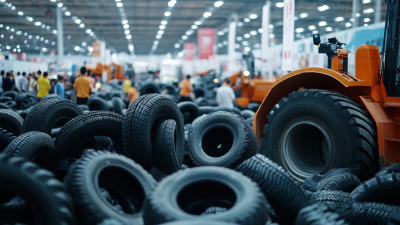
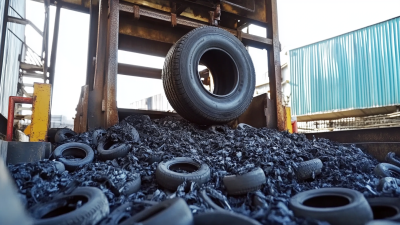
Investing in a tire shredder can revolutionize your business operations. According to a recent report from the Rubber Manufacturers Association, approximately 300 million tires are discarded annually in the U.S. alone. This presents a substantial market for tire shredding, which can convert waste into reusable materials. Industry expert John Smith states, “A tire shredder is not just a tool; it’s an investment in sustainability and profitability.”
The benefits of using a tire shredder are multifaceted. Efficient shredding processes can produce significant amounts of rubber granulate. This granulate can then be repurposed in various industries, including construction and manufacturing. However, the initial costs of a tire shredder can be daunting for many businesses. Decision-makers must weigh the long-term gains against upfront investments.
Moreover, many companies face operational challenges when integrating new technology like tire shredders. Proper training and maintenance are crucial for maximizing efficiency. By understanding these factors, companies can better appreciate the value that a tire shredder brings. An informed choice in this area can lead to significant environmental benefits and cost savings over time.
The Importance of Tire Shredding in Waste Management Solutions
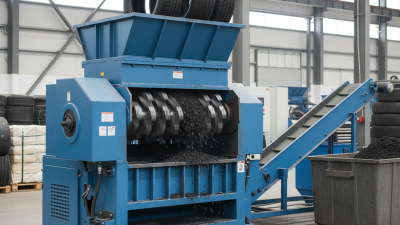
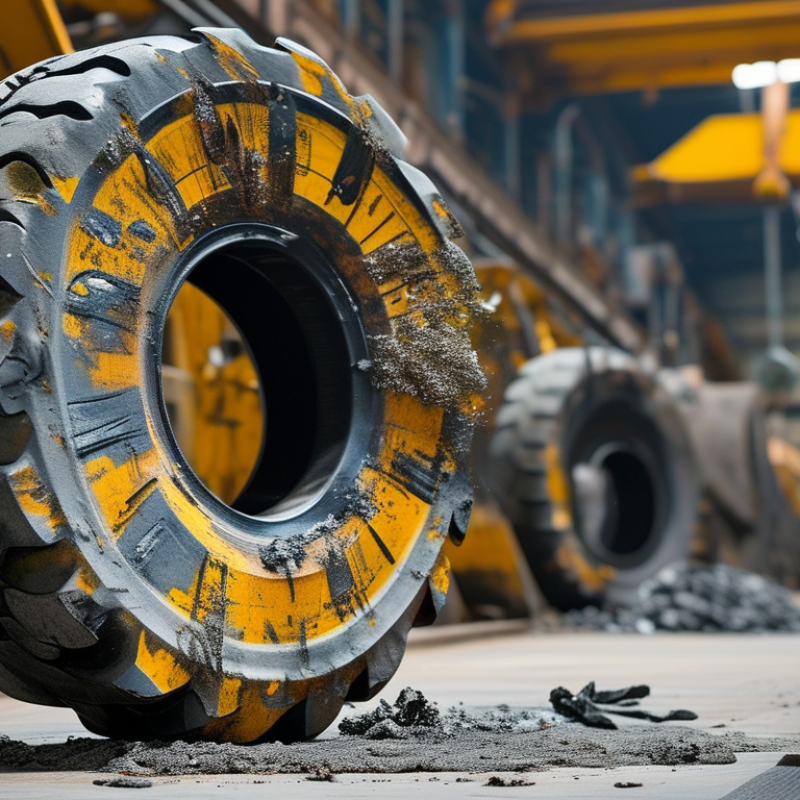
Tire shredding plays a crucial role in efficient waste management. The process transforms discarded tires into smaller, manageable pieces. This method reduces the volume of waste significantly. Shredded rubber can be repurposed into various products, such as paving materials and playground surfaces. This recycling process keeps tires out of landfills and helps improve the environment.
Investing in a tire shredder offers various benefits for businesses. It allows companies to handle their waste more sustainably. This equipment minimizes disposal costs and enhances your brand's eco-friendly image. However, not every business is equipped to manage tire shredding effectively. Training staff and maintaining machinery can be challenging. A lack of expertise might result in operational inefficiencies. Business owners must carefully consider these factors before making a decision.
The importance of tire shredding cannot be overstated. In many regions, regulations around waste disposal are becoming stricter. Companies that fail to comply may face hefty fines. Effective tire shredding not only meets legal requirements but also contributes to a circular economy. While the investment may seem daunting, the long-term gains in sustainability and cost savings are undeniable.
Benefits of Investing in a Tire Shredder for Business Efficiency
Investing in a tire shredder can significantly enhance business efficiency. This machine streamlines the recycling process of old tires, turning waste into reusable materials. Many industries benefit from using shredded tires. They can serve as a valuable resource for construction projects or as fuel for energy generation.
Implementing a tire shredder not only reduces disposal costs but also lowers environmental impact. Businesses can contribute to sustainability efforts by minimizing landfill waste. However, investing in such equipment requires careful consideration. The initial cost can be daunting. Maintenance and operational costs also add to the equation.
Each operation will face challenges. Proper training is necessary for staff to handle the shredder efficiently. Over time, potential breakdowns may occur, leading to downtime. Businesses should weigh these factors against the long-term benefits. The balance can reveal whether a tire shredder aligns with their goals.
Why Invest in a Tire Shredder for Your Business Needs? - Benefits of Investing in a Tire Shredder for Business Efficiency
| Benefit |
Description |
Impact on Business |
Cost Savings |
| Waste Reduction |
Minimizes landfill waste by processing tires. |
Improves environmental compliance and public image. |
Reduced disposal fees. |
| Revenue Generation |
Create new product lines from shredded materials. |
Increased revenue streams. |
Potentially higher profit margins. |
| Operational Efficiency |
Streamlined processes for handling waste tires. |
Reduced labor costs and improved workflow. |
Lower operational expenses. |
| Resource Recovery |
Recyclable materials can be extracted from tires. |
Supports sustainable business practices. |
Cost-effective raw material substitution. |
Cost Analysis: Long-term Savings with Tire Shredding Equipment
Investing in a tire shredder can lead to significant long-term savings for your business. Traditional waste disposal methods are often costly and environmentally unfriendly. By shredding tires, businesses can reduce waste management expenses and even generate income through recycled materials. A tire shredder transforms an expensive disposal process into a profit-making opportunity.
Tips for maximizing your investment in tire shredding equipment include evaluating your production needs. Select a tire shredder that matches your volume requirements. This not only ensures efficiency but also minimizes unnecessary costs. Consider the energy consumption of the machine. Investing in energy-efficient equipment can save a lot in the long run.
Additionally, have a maintenance plan in place. Regular maintenance can extend the lifespan of your shredder. Unexpected repairs can add to your costs and disrupt operations. While the initial investment may seem daunting, the prospect of generating recyclable materials and reducing disposal fees can greatly offset these expenses. Investing in a tire shredder is not just smart; it can also be a game-changing decision for sustainability and profitability.
Choosing the Right Tire Shredder for Your Operational Needs
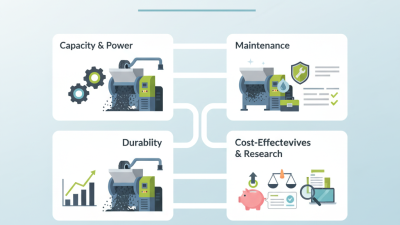
When selecting the right tire shredder for your business, consider your operational needs carefully. The type of shredder can significantly affect efficiency and waste management. For example, industry data suggests that companies using high-quality tire shredders can improve processing efficiency by up to 30%. Whether you need a single-shaft or multi-shaft shredder depends on the volume of tires you handle daily.
Moreover, pay attention to the capacity and output size. If your business focuses on recycling, a shredder with adjustable output can be beneficial. Many companies report that having control over output size leads to better revenue from recycled materials. Ensure that the technical specifications align with your recycling goals.
Tips: Evaluate your workflow before making a purchase. A mismatched shredder can lead to bottlenecks. Also, consider maintenance requirements. A reliable machine may require less frequent repairs, impacting long-term costs. Look for solutions that offer a balance between initial investment and operational longevity. This can be a crucial factor in your decision-making process. Proper evaluation is key to avoiding future regrets.
Why Invest in a Tire Shredder for Your Business Needs?
Environmental Impact: How Tire Shredding Contributes to Sustainability
Tire shredding has a significant role in promoting sustainability. By recycling tires, businesses can reduce landfill waste. In fact, the U.S. Environmental Protection Agency (EPA) reports that around 300 million tires are discarded each year in the U.S. alone. This creates pressing environmental issues. Tire shredders enable the transformation of these used tires into reusable materials, minimizing harmful landfill buildup.
A report from the Tire Industry Association estimates that tire recycling can reduce greenhouse gas emissions by nearly 40%. Shredded tires can be processed into crumb rubber, suitable for various applications. This includes playground surfaces, asphalt, and even as alternative fuel sources. The end products not only reduce the need for virgin materials but also provide economic benefits. Still, the recycling process is not without challenges. Ensuring consistent quality and tackling contamination are key issues needing further attention.
Investing in tire shredding technology allows companies to engage in sustainable practices. It enhances their green credentials and addresses environmental impacts directly. However, businesses must also reflect on the entire lifecycle of their products. For many, integrating eco-friendly initiatives isn't just a choice; it’s becoming a necessity. Companies should evaluate their operations and seek improvements continuously to achieve meaningful environmental benefits.