What is Tire Shredding and How Does it Benefit Businesses?
Tire shredding plays a crucial role in waste management and recycling. According to the Rubber Manufacturers Association, over 300 million tires are discarded annually in the U.S. alone. Tire shredding offers a sustainable solution by transforming these waste tires into reusable materials. This process can help businesses reduce their environmental footprint while generating new revenue streams.
The shredded tires can be utilized in various industries. For example, they can serve as rubber mulch for landscaping, or as material for asphalt in road construction. A report from the Environmental Protection Agency highlights that using shredded tires in asphalt can enhance road durability, reducing maintenance costs by up to 30%. This reflects the significant economic benefits of tire shredding for businesses looking to innovate.
However, not all tire shredding operations are created equal. Many companies struggle with efficiency and cost management in the shredding process. Understanding the nuances of tire shredding can empower businesses to maximize benefits and minimize drawbacks. Investing in high-quality shredding equipment and practices can lead to more effective results, ensuring a competitive edge in the industry.
What is Tire Shredding and Its Importance in Waste Management
Tire shredding plays a critical role in waste management. Tires are challenging to dispose of due to their materials. They take a long time to decompose. Shredding tires transforms them into smaller pieces, making disposal easier. This process supports recycling and reuse, creating valuable materials for various industries.
Tire shreds can be used in several applications. They can be turned into rubber mulch for landscaping or as material for manufacturing products like mats and asphalt. By shredding tires, businesses help reduce landfill waste. However, the process is not without challenges. Ensuring the proper functioning of shredding equipment can be expensive. Moreover, businesses must comply with environmental regulations when handling waste.
The overall impact of tire shredding is significant. It contributes to resource conservation and eco-friendly practices. However, the industry must reflect on enhancing safety measures. There are ongoing discussions about improving efficiency and reducing costs. Despite the hurdles, the benefits of tire shredding for waste management are clear.
Understanding the Tire Shredding Process and Technology
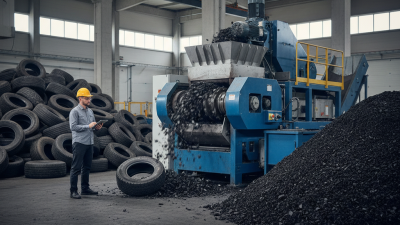
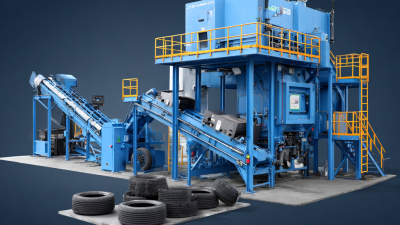
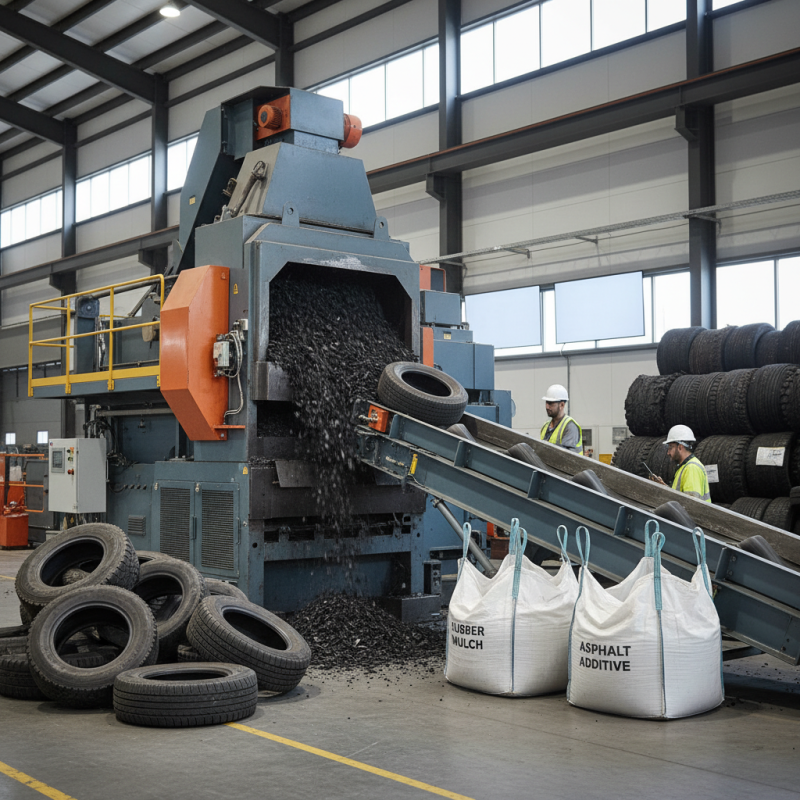
Tire shredding is a crucial process that involves breaking down used tires into smaller pieces. This technology can significantly reduce waste, making it easier to recycle and repurpose tires. The process typically starts with large shredders that cut tires into strips. These strips are then processed further to create smaller chips or powder. The technology has advanced, leading to efficient and eco-friendly methods.
For businesses, partnering with a reliable tire shredding facility can enhance sustainability efforts. It reduces landfill waste and supports the circular economy. Companies can benefit from lower disposal costs and create new revenue streams by selling shredded materials for use in various applications, such as asphalt or playground surfaces.
Tip: Ensure you choose a facility that adheres to environmental regulations. This can prevent legal complications and enhance your company's reputation.
Moreover, businesses must consider the quality of shredded material. Not all shredders produce uniform sizes, which can affect its marketability. Evaluating potential suppliers based on their technology and output is crucial.
Tip: Regularly assess your tire disposal strategy. Staying informed about technological advancements can improve efficiency and offer better solutions.
Environmental Benefits of Tire Shredding for Sustainable Practices
Tire shredding plays a vital role in promoting sustainable practices. The process reduces used tires, turning waste into reusable materials. Shredded tires can be utilized in various applications, such as rubberized asphalt for roads, playground surfaces, or construction materials. This transformation minimizes landfill waste and conserves resources.
Moreover, tire shredding has significant environmental benefits. It prevents the release of harmful chemicals into ecosystems. When tires decompose in landfills, they can leach toxins into soil and water. By recycling tires, we ensure that these substances remain contained. This reduces pollution and helps maintain cleaner environments for future generations.
However, the tire shredding process is not without challenges. It requires energy and proper facilities to manage the shredded materials effectively. Businesses must consider the cost implications and find sustainable energy solutions. Continuous improvement in techniques can lead to further environmental benefits. By integrating tire shredding into business practices, companies contribute to a more sustainable future while addressing waste issues.
What is Tire Shredding and How Does it Benefit Businesses? - Environmental Benefits of Tire Shredding for Sustainable Practices
| Benefit |
Description |
Environmental Impact |
Business Advantage |
| Waste Reduction |
Shredding tires reduces the volume of waste and makes disposal easier. |
Minimizes landfill usage and reduces environmental pollution. |
Lower disposal costs and compliance with waste regulations. |
| Resource Recovery |
Shredded tires can be repurposed for various products such as rubber mulch and asphalt. |
Reduces need for new raw materials and decreases resource depletion. |
New revenue streams through sale of recycled materials. |
| Energy Production |
Tire-derived fuel (TDF) can be used in energy generation. |
Lowers carbon footprint by utilizing waste tires for energy. |
Cost savings on traditional fuel sources. |
| Soil Improvement |
Shredded tires can improve soil stability and drainage. |
Enhances land use while reducing erosion. |
Increased land value and agricultural output. |
| Regulatory Compliance |
Conforms to environmental regulations regarding waste management. |
Reduces environmental liabilities and potential fines. |
Enhances corporate reputation and brand value. |
Economic Advantages of Tire Shredding for Recycling Businesses
Tire shredding is a crucial process for recycling businesses. It involves breaking down used tires into smaller pieces. This makes them easier to manage and repurpose. By shredding tires, companies can generate a high-quality raw material for various applications like asphalt and rubber products.
The economic advantages of tire shredding are significant. First, it reduces waste disposal costs. Landfills charge fees based on weight, and shredded tires take up less space. Second, the shredded material can be sold to manufacturers looking for recycled inputs. This can create new revenue streams for businesses. However, companies must invest in proper shredding equipment, which can be costly initially.
While the benefits are clear, some challenges exist. The market for recycled materials fluctuates, impacting demand. Additionally, maintaining efficient processes for tire shredding requires continuous monitoring. Businesses must stay updated on technologies and methods. Despite these issues, tire shredding remains a valuable strategy for recycling businesses aiming for growth and sustainability.
Economic Advantages of Tire Shredding
Key Industries Utilizing Shredded Tires and Their Applications
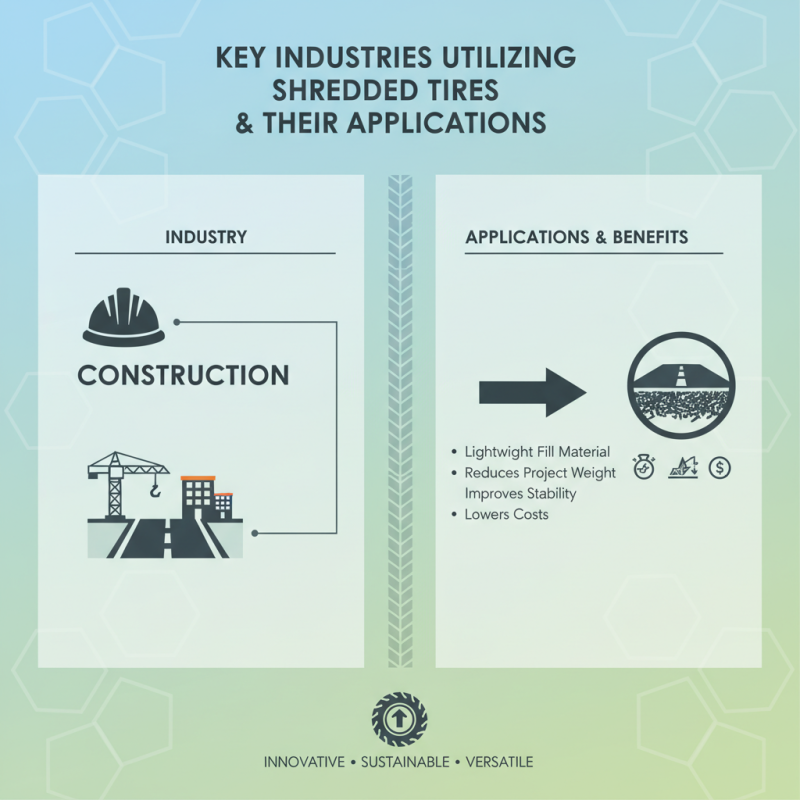
Shredded tires are increasingly used across various industries. Their applications are diverse, providing innovative solutions for many businesses. Construction companies utilize shredded tires as a lightweight fill material. This practice reduces overall project weight and improves stability. It also lowers costs.
In landscaping, shredded tires serve as an eco-friendly mulch. They help retain moisture and suppress weed growth. However, the aesthetic value might not appeal to everyone. Some argue that the color can fade over time, requiring more maintenance.
The automotive sector also finds shredded tires beneficial. They can be processed into materials for new tire production. This closed-loop recycling process promotes sustainability. Yet, challenges remain in maintaining tire quality during shredding. Overall, industries continuously explore the potential of shredded tires while facing reflective challenges.