Inquiry
Form loading...

China Best Tire Shredding Machine for Sale?

Choosing the China Best Tire Shredding Machine for Sale requires more than comparing prices online. A suitable machine must match your tire types, daily capacity, output size, and available power supply. Passenger tires, truck tires, and off-road tires behave differently inside the cutting chamber. Steel belts can also increase wear on knives and shafts. Small details matter.

As tire-recycling engineer Tom Cherrington has noted, “The best shredder is not always the largest; it is the machine matched to the material.” This practical view reflects real operating conditions. A factory processing 5 tons daily may not need a 20-ton system. Oversized equipment can increase electricity use, maintenance costs, and downtime. Too-small equipment creates another problem. Production may struggle during peak deliveries.

Look closely at rotor design, knife hardness, bearing protection, and automatic overload control. Ask whether the supplier provides installation guidance, spare parts, testing, and operator training. A reliable manufacturer should explain its specifications clearly. It should not promise unrealistic output without discussing tire size and feedstock quality. That deserves attention.

In this guide, we examine China Tire Shredding equipment through a practical buying lens. We consider performance, safety features, energy consumption, service support, and total ownership cost. Factory videos can help, but they are not enough. A machine may look impressive on screen and perform differently in your workshop. That is an uncomfortable possibility. Request test results using tires similar to yours. Then compare the evidence before making a purchase.
China Best Tire Shredding Machine for Sale?

What Is a Tire Shredding Machine?

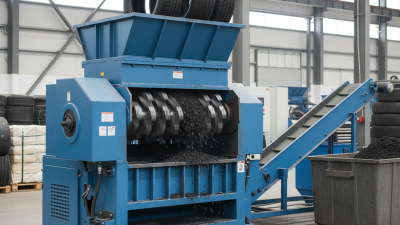
A tire shredding machine is industrial equipment that cuts used tires into smaller pieces. It usually uses a slow-speed, high-torque shaft with hardened blades. These blades tear rubber, textile, and embedded steel wire. The machine does not melt rubber. This difference matters when selecting equipment for recycling work. Shredded tire pieces can support further processing, fuel preparation, or material recovery.

When searching for a China tire shredding machine for sale, inspect its working structure carefully. Check the motor rating, shaft diameter, blade thickness, and feed opening. Output size depends on blade spacing and screen design. Steel wire can increase wear and cause unexpected stoppages. Guards, emergency stops, and dust-control equipment should be visible and practical. Safety is not optional. A clear maintenance plan also shows whether the supplier understands daily industrial use.

Real performance depends on tire type, moisture, temperature, and feeding speed. Passenger tires may process differently from truck tires. A test using local waste tires is more useful than a catalogue promise. Listen for unusual vibration. Check whether the discharge pieces remain consistent. No machine is perfect. Even a strong system may need blade replacement and cleaning. I would also question any seller who avoids discussing noise, power consumption, or downtime. Honest technical details build more trust than impressive claims.
How Does a Tire Shredding Machine Work?

China Best Tire Shredding Machine for Sale?

How Does a Tire Shredding Machine Work?

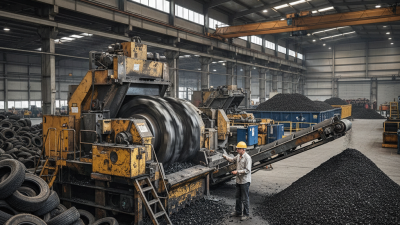
A tire shredding machine uses rotating knives to cut whole tires into smaller pieces. The process usually begins with a feeding conveyor or loading platform. Operators place tires into the cutting chamber, where slow-moving shafts create strong tearing force. Steel wires resist the blades, so torque matters more than speed. The knives grip the rubber, pull it inward, and release rough tire chips through a sizing screen. Larger pieces return for another cut. It is a simple cycle, but material flow is not always smooth.

During operation, the motor drives a gearbox that transfers controlled power to the shafts. Hydraulic systems may help reverse the shafts when a tire jams. This feature protects the cutter and reduces stress on the frame. Dust, heat, and noise also need attention. Field observations show that dull knives can increase energy use and produce uneven pieces. That result is easy to overlook. Buyers should check tire sizes, expected output, steel content, and maintenance access before choosing a machine for sale. A machine that looks powerful may still perform poorly with overloaded feeding.

Tips: Feed tires steadily, not in large piles. Inspect knife edges regularly. Keep metal fragments away from sensitive conveyors. Record output size and motor load each shift. Operators should also wear suitable protective equipment and follow the equipment manual. Small details matter.

China Best Tire Shredding Machine for Sale? - How Does a Tire Shredding Machine Work?
Processing Dimension Typical Specification or Data How It Works Practical Considerations
Input Material Passenger-car tires, truck tires, bus tires, and selected off-the-road tires Tires are fed into the machine manually or by a conveyor after inspection. Remove loose soil, stones, wheels, and other non-tire materials before feeding.
Primary Shredding Output commonly reduced to approximately 50–300 mm tire shreds Two slow-speed, high-torque shafts pull the tire into intermeshing cutters and tear it into coarse pieces. Shred size depends on cutter design, shaft speed, tire type, and screen configuration.
Typical Throughput Approximately 1–20 metric tons per hour for common industrial systems Material moves continuously through the cutting chamber while the shafts rotate under load. Actual capacity varies with tire diameter, steel content, desired particle size, feeding method, and operating hours.
Drive System Electric motors with a gearbox; total installed power commonly ranges from about 30–400 kW The motor supplies rotational energy, while the gearbox increases torque at the cutter shafts. Higher power is generally required for large truck tires, heavy steel reinforcement, and higher capacity.
Cutting Speed Typically slow-speed operation, often about 5–30 revolutions per minute Slow rotation creates high torque and controlled tearing rather than high-speed impact. Lower speed helps limit dust and heat, but the machine must be protected against overloading.
Steel Reinforcement Steel content may account for roughly 10–20% of a passenger or truck tire by weight, depending on tire construction Steel belts and bead wires are cut together with the rubber during primary shredding. Magnetic separation is normally used after shredding to recover ferrous steel.
Secondary Processing Further reduction can produce rubber chips or granules from approximately 1–50 mm Secondary shredders, rasper systems, or granulators reduce the coarse shreds to a smaller size. A smaller particle size generally requires more energy, additional equipment, and multiple processing stages.
Screening Vibrating or rotary screens separate material according to particle size Oversized pieces are returned for additional cutting, while correctly sized material moves forward. Screen openings should match the required product specification and downstream application.
Magnetic Separation Permanent or electromagnetic separators remove ferrous wire from rubber shreds A magnetic field attracts exposed steel as the shredded material passes beneath or across the separator. Two or more separation stages may improve steel recovery when producing cleaner rubber granules.
Fiber Separation Air classification or fiber separators remove textile fibers from rubber particles Airflow separates lighter textile fibers from heavier rubber and steel particles. Performance depends on fiber content, moisture, particle size, and airflow adjustment.
Rubber Output Typical products include tire-derived fuel, rubber mulch, rubber chips, and crumb rubber The final product is selected by controlling the number of processing stages and the screen size. End uses include civil engineering, molded products, sports surfaces, asphalt modification, and industrial fuel.
Energy Demand Energy consumption varies widely; a complete line may require approximately 20–100 kWh per metric ton Electricity is used by shredders, conveyors, screens, separators, dust-control equipment, and granulators. Actual consumption depends strongly on the final particle size and the amount of steel and fiber removed.
Safety Features Emergency stops, overload protection, guarding, interlocks, and reverse functions are commonly required When excessive resistance or a foreign object is detected, the system can stop or briefly reverse the shafts. Operators should follow local machinery, electrical, fire, and occupational-safety requirements.
Dust and Noise Control Enclosed transfer points, dust extraction, acoustic barriers, and housekeeping systems may be used Enclosures and extraction systems capture airborne particles generated during cutting and screening. Control measures should be selected according to indoor layout, material dryness, and local regulations.
Maintenance Items Cutters, spacers, bearings, seals, screens, belts, and gearbox lubricant require periodic inspection Wear parts are replaced or adjusted to maintain cutting performance and product consistency. Regular removal of wrapped wire and scheduled lubrication can reduce unplanned downtime.
Recommended Selection Criteria Input tire size, target capacity, required output size, available power, site conditions, and automation level These parameters determine the suitable shredder configuration and supporting equipment. Capacity claims should be compared using the same tire type, feed condition, output size, and operating assumptions.

Which Types of Tire Shredders Are Available in China?

China Best Tire Shredding Machine for Sale?

Which Types of Tire Shredders Are Available in China?

China offers several tire-shredding systems for different feed sizes, production targets, and recycling stages. The China Rubber Industry Association’s annual statistics place national tire production above one billion units, creating substantial demand for reliable end-of-life tire equipment. Globally, the World Business Council for Sustainable Development’s Tire Industry Project estimates that roughly one billion tires reach the end of their service life each year.

For whole tires, a dual-shaft primary shredder is widely used. Its slow-speed cutting action handles passenger tires, truck tires, and mixed rubber with steady torque. A sidewall cutter and bead remover can reduce energy use before shredding. That detail matters. Steel wire increases wear quickly. Single-shaft shredders provide more controlled sizing, especially when a hydraulic pusher feeds uneven materials. The output may range from coarse chips to smaller rubber pieces, depending on screen openings and knife design.

Granulators and rasper machines follow primary shredding when producers need cleaner rubber granules. Magnetic separators remove steel wire, while air separation helps reduce textile fiber. The U.S. Environmental Protection Agency identifies tire-derived materials as useful in several engineered applications, but quality depends on consistent sizing and contaminant control. In practical plant testing, moisture, tire age, and knife sharpness can change capacity noticeably. Advertised figures are not always realistic. A machine that performs well with passenger tires may struggle with reinforced truck tires. Testing real feedstock remains essential.

How to Choose the Best Tire Shredding Machine for Sale

Choosing the best tire shredding machine for sale starts with your actual material, not the advertised capacity. Passenger tires, truck tires, and thick sidewalls create different workloads. A machine handling mixed tires should have strong cutting shafts and replaceable knives. Ask for a test using tires similar to yours.

Check the output size carefully. A rough shred may suit fuel preparation, while smaller pieces may support rubber separation. Measure hourly capacity under real conditions, not empty-machine speed. A 30-ton-per-hour claim can fall sharply with wet tires or steel-heavy material. That gap matters. Request operating videos, energy data, and a written specification sheet.

Inspect the machine like a worker who must maintain it. Look for accessible inspection doors, automatic overload protection, and clear emergency stops. The frame should remain stable when large tires enter the chamber. Dust control, noise reduction, and guarding also deserve attention. Ask how often knives need adjustment and how quickly replacements can arrive. I once saw a buyer focus only on motor power, then struggle with frequent knife changes. That choice was not completely wrong, but it was incomplete. A reliable supplier should explain maintenance, installation, operator training, and warranty terms without vague promises. Verify these details before comparing prices.

What Factors Affect Tire Shredder Price and Performance?

China Best Tire Shredding Machine for Sale?

What Factors Affect Tire Shredder Price and Performance?

A tire shredder’s price depends heavily on capacity, shaft design, motor power, and cutting chamber size. A small workshop may process two tons daily, while a recycling plant may require ten tons or more. Bigger output usually demands stronger frames, larger bearings, and higher electrical capacity. These upgrades increase purchase and installation costs. Dual-shaft machines often handle whole tires steadily, but their speed may be lower. Single-shaft models can produce finer pieces with adjustable screens. The feed opening also matters. A narrow opening may force operators to cut tires manually, reducing real productivity.

Knife material and heat treatment directly affect service life. Poorly hardened knives can lose their edge after several shifts.

Screen size controls the final chip dimensions and influences energy use. A smaller screen usually requires repeated cutting. That means more electricity and slower production.

In practical evaluations, I would inspect the gearbox, emergency stops, overload protection, and access panels before comparing prices.

Maintenance details are easy to ignore. They should not be. Local technical support, spare-part availability, shipping, and installation can change the total cost significantly.

A higher motor rating is not always better, because an oversized motor may waste energy under light loads. Performance estimates also need caution; wet, steel-heavy, or frozen tires can reduce output. Some calculations look convincing on paper, yet real feedstock behaves differently.