Why Choose a Plastic Shredder Machine for Your Business Needs?
In today’s rapidly evolving manufacturing landscape, the importance of efficiency and sustainability cannot be overstated. The adoption of a Plastic Shredder Machine is crucial for businesses looking to enhance their operational processes. As recycling expert Dr. Laura Chang once stated, “Embracing technology in plastic processing is essential for a sustainable future.” This highlights the role of innovation in modern waste management.
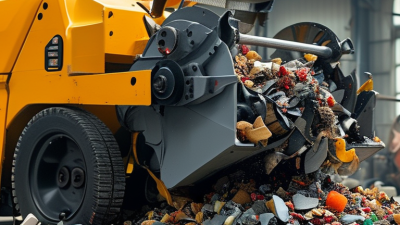
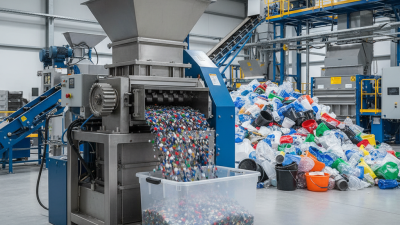
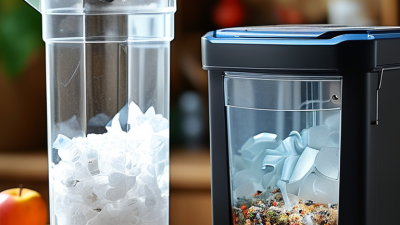
Plastic Shredder Machines play a vital part in minimizing plastic waste. They break down large plastic items into manageable pieces, making recycling easier and more efficient. This not only aids in resource recovery but also significantly reduces landfill contributions. Some companies still overlook this technology, thinking it won’t impact their bottom line. However, the integration of shredding machinery can lead to substantial cost savings over time.
Investing in a Plastic Shredder Machine reflects a commitment to environmental stewardship. While some may worry about initial costs, the long-term benefits far outweigh these concerns. It's essential to weigh the immediate results against potential gains. Industries that adapt to these changes may thrive, while those who resist might struggle. The shift towards sustainability is not just a trend; it’s a necessity that can redefine a company’s future.
Benefits of Using a Plastic Shredder Machine for Business Efficiency
Investing in a plastic shredder machine can significantly enhance your business efficiency. The primary advantage lies in waste reduction. By shredding unused plastic materials, you decrease storage space and contribute to environmental sustainability. This approach can also lead to cost savings in waste disposal. Companies that prioritize waste management often attract eco-conscious customers.
Another benefit is the versatility of shredded plastic. Shredded materials are easier to transport and can be repurposed. Many businesses use them in recycling processes. This can open new revenue streams. However, operating a shredder comes with challenges. Proper training and maintenance are essential to ensure safety and efficiency. Misuse can lead to equipment damage and injury.
Moreover, integrating a shredder into your workflow requires planning. Consider how it fits into your existing operations. It may not be a one-size-fits-all solution. Assessing your needs before implementation is crucial. Engaging with industry experts can provide insights, but it’s important to remain adaptable. Each business will have unique requirements and constraints to reflect on.
Why Choose a Plastic Shredder Machine for Your Business Needs? - Benefits of Using a Plastic Shredder Machine for Business Efficiency
| Benefit |
Description |
Impact on Efficiency |
| Waste Reduction |
Reduces the volume of plastic waste generated. |
Improves space usage and minimizes disposal costs. |
| Cost Efficiency |
Lowers costs by recycling plastics into usable materials. |
Enhances profitability through material savings. |
| Environmental Benefits |
Contributes to sustainability initiatives. |
Attracts eco-conscious customers and enhances brand image. |
| Process Streamlining |
Facilitates quicker material processing and handling. |
Increases operational speed and productivity. |
| Safety Improvements |
Minimizes hazards associated with manual waste handling. |
Promotes a safer working environment for employees. |
Types of Plastic Shredder Machines Suitable for Various Industries
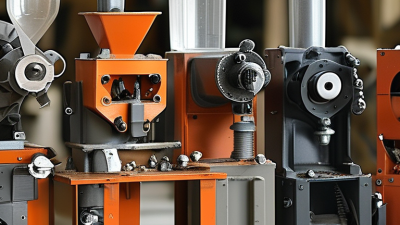
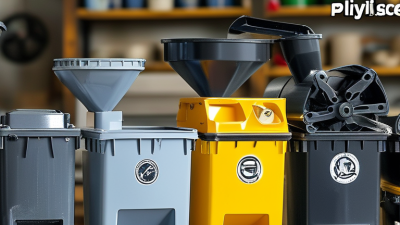
When selecting a plastic shredder machine, understanding the types available is crucial for different industries. For recycling facilities, high-capacity shredders efficiently process large volumes of plastic. They reduce waste to manageable sizes, allowing for easier handling and transportation. Compact shredders serve small businesses that generate minimal waste but still require effective disposal methods.
Manufacturers can benefit from heavy-duty industrial shredders. These machines can handle tough materials, such as pallets and containers. They ensure that recycling processes are streamlined and cost-effective. On the other hand, some businesses may prefer low-noise models to maintain a quieter work environment. In any case, the right choice hinges on specific needs. Evaluation of workload and type of plastic is essential.
Nonetheless, selecting the ideal shredder isn't always straightforward. Some businesses might purchase a machine that is either too powerful or underwhelming for their needs. Research and professional consultation can mitigate these risks. Exploring options at trade shows allows for hands-on evaluations. Proper maintenance and training are necessary to maximize the shredder's lifespan and efficiency.
Key Features to Consider When Choosing a Plastic Shredder Machine
When selecting a plastic shredder machine, understanding its key features is essential. One crucial factor is the shredder's capacity. A machine with a higher capacity can handle larger volumes of plastic waste, making it ideal for businesses generating significant debris. According to a report by Research and Markets, the global plastic shredders market is expected to grow at a CAGR of 6.5% by 2027. This growth signifies the increasing need for efficient waste management solutions.
Another important feature is the blade configuration. Different machines have varied blade designs that affect shredding efficiency and material size. For example, rotary blades can offer finer cuts, enhancing recyclability. Additionally, energy consumption is a vital consideration. Machines that are energy-efficient can reduce operational costs significantly. The Energy Information Administration reports that industrial shredders can consume between 10 to 50 kWh, depending on their model. An informed choice in these areas can lead to better operational outcomes.
Maintenance requirements can vary. Some machines may require regular lubrication or have easily replaceable parts. This influences not only the longevity of the shredder but also the overall productivity of your operation. Beyond these features, ensuring that the shredder aligns with your specific business needs is critical. Each industry may have unique requirements that necessitate different capabilities from shredders. Understanding these needs can lead to more effective waste management solutions overall, which remains an ongoing challenge for many businesses.
How Plastic Shredders Contribute to Environmental Sustainability
Plastic shredders play a crucial role in promoting environmental sustainability. By breaking down plastic waste into manageable pieces, they facilitate recycling processes. This step is vital for reducing the volume of waste in landfills. Many companies struggle with plastic disposal. A shredder provides a solution by transforming waste into a form that can be more easily processed.
Furthermore, shredding plastic helps recover valuable materials. Companies can use these materials to create new products, reducing the need for virgin resources. This not only saves energy but also lowers greenhouse gas emissions. Efficient waste management leads to a cleaner planet. However, some businesses overlook their responsibility in waste reduction. They may not invest in necessary technology. This oversight can hinder environmental progress.
Operating a plastic shredder also requires proper training. Employees need to understand safety protocols and equipment operation. Mistakes can lead to accidents or inefficient processes. Businesses must reflect on their practices regularly to improve. Embracing such machinery is a step toward sustainability, but commitment is essential. Ultimately, the journey towards better environmental practices is ongoing.
Maintenance Tips for Ensuring Longevity of Plastic Shredder Machines
When operating a plastic shredder machine, regular maintenance is crucial for its longevity. Over time, wear and tear can affect performance. Inspect blades regularly for dullness or damage. Sharp blades ensure efficient shredding and reduce strain on the motor. A consistent sharpening schedule can enhance the machine's effectiveness.
Cleaning is another essential aspect of maintenance. Plastic debris can accumulate and lead to malfunctions. Schedule routine cleanings, focusing on areas that collect materials. Use compressed air to reach tight spots. This practice not only extends the machine's lifespan but also promotes safety by preventing jams.
Monitoring the machine's performance can also provide insights. Listen for unusual sounds during operation—this may indicate a mechanical issue. Keeping an eye on operational efficiency allows for timely repairs. If you notice inconsistencies, it may be worth examining the motor and gears closely. Addressing minor issues promptly can prevent costly breakdowns in the future.