Inquiry
Form loading...

Why Choose a Scrap Battery Shredder for Recycling?

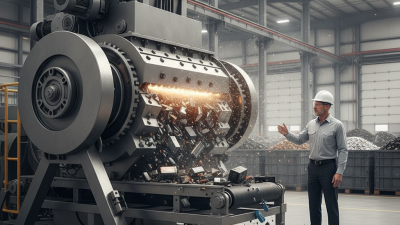
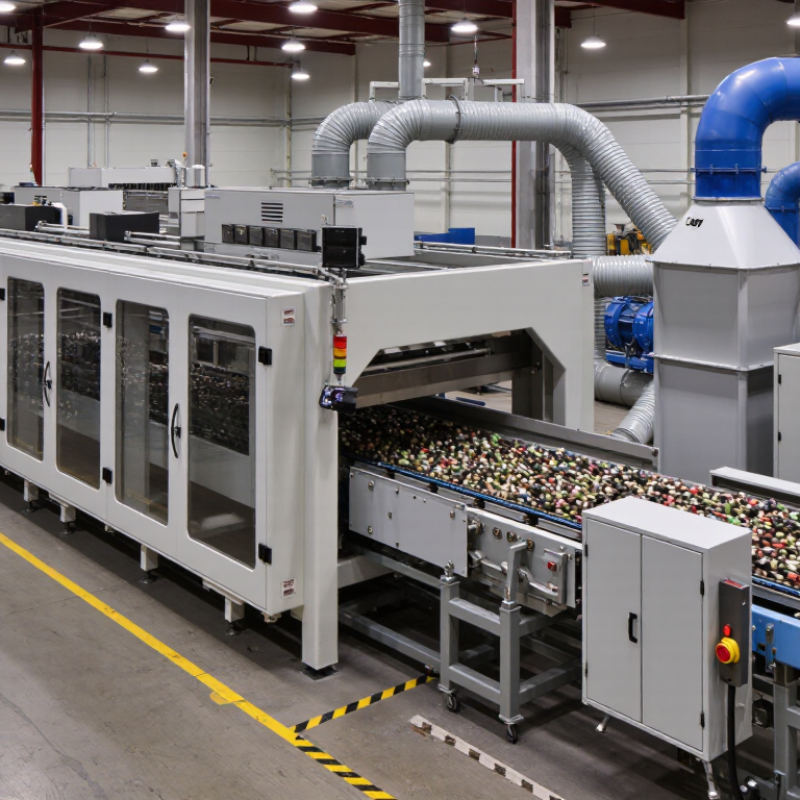
A Scrap Battery Shredder can turn bulky, mixed battery scrap into smaller pieces that are easier to handle in a carefully designed recycling line. Picture a steady feed moving beneath guarded equipment, with dust collection and monitoring systems working nearby. The machine’s value is not simply its cutting force. It depends on matching the shredder to the incoming battery types, feed condition, and downstream separation process. Details matter.

Battery-recycling researcher Dr. Linda Gaines has studied the challenges of recovering materials from batteries. As an editorial paraphrase of the practical lesson in her field, not a verbatim quotation: “A shredder is one stage, not the whole recovery system.” That distinction is easy to overlook. Shredding can support material recovery, but it does not, by itself, identify every chemistry or guarantee a clean output. Equipment selection should therefore consider controlled feeding, enclosure design, dust management, maintenance access, and the needs of the next processing steps.

This guide examines why recyclers choose a Scrap Battery Shredder, what benefits it may offer, and which questions deserve close attention before installation. Performance claims should be checked against representative feed trials and clear operating data. No machine fixes poor preparation. And real scrap is rarely uniform. A cautious evaluation may take longer, but it can reveal whether a proposed system fits the actual material stream rather than an idealized one.
Why Choose a Scrap Battery Shredder for Recycling?

What a Scrap Battery Shredder Does

Why Choose a Scrap Battery Shredder for Recycling?

What a Scrap Battery Shredder Does

A scrap battery shredder reduces collected batteries into smaller pieces for controlled downstream processing. Its cutting assembly breaks open casings and separates material into a more manageable form. The machine does not make every battery identical. Battery types, sizes, and condition can vary widely. That matters.

Before shredding, trained staff sort incoming material and remove items that the facility cannot safely process. The shredder then receives a steady, controlled feed. Inside, cutters tear or shear the casings, while an enclosed processing area helps contain fragments and dust. Sensors and site procedures can help operators respond to heat, jams, or other abnormal conditions. Shredding still carries risks, so equipment and handling practices must match the material being processed.

The output may include metal, plastic, electrode material, and casing fragments. Screens and separation equipment can then sort these streams for further recovery. In practice, the material is rarely perfectly uniform; a few stubborn pieces may need another pass. Operators monitor output quality and adjust the line when needed. Those checks help prevent oversized fragments from reaching later equipment.
How Battery Shredding Fits into the Recycling Process

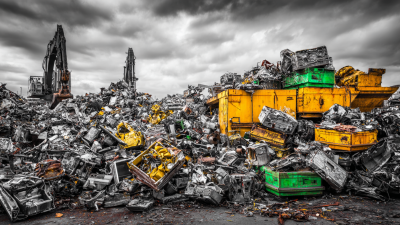
A scrap battery shredder fits between safe battery preparation and material recovery. Incoming packs are inspected, sorted, and made safe by trained operators before mechanical processing. The shredder reduces cells and components into smaller fragments; enclosed collection and separation systems then help divide metal-rich material, plastics, and other fractions. The exact sequence depends on battery chemistry and plant design. It is not a stand-alone recovery solution.

The International Energy Agency’s Global Critical Minerals Outlook 2024 estimates that recycling could reduce the need for new mineral supply by 10–30% by 2040, depending on the mineral and scenario. Shredding helps make that recovery possible by exposing and concentrating materials for later separation and refining.

But a smaller particle is not automatically a cleaner product. Dust control, fire prevention, and consistent feedstock matter, as do the downstream processes that recover usable metals.

In practice, mixed chemistries or damaged cells can complicate sorting. That part is easy to underestimate. A shredder’s value lies in fitting reliably into the whole process, not simply processing tonnes per hour.

Which Materials Can Be Recovered from Shredded Batteries

Why Choose a Scrap Battery Shredder for Recycling?

Which Materials Can Be Recovered from Shredded Batteries

A scrap battery shredder reduces batteries into smaller fractions for controlled downstream sorting. The recovered materials depend on battery chemistry and the equipment used after shredding. Common fractions include steel, copper, aluminum, plastics, and a fine powder containing active battery materials. Some battery types may yield lithium, nickel, cobalt, manganese, or graphite. Not every battery contains all of these materials. Recovery is not automatic; separation and refining determine what can be reused.

Tips: Keep battery types sorted before processing, and use equipment designed for the specific feedstock. Trained operators should follow site procedures and manufacturer guidance. Inspect recovered fractions for mixed materials. Small details matter.

Lead-acid batteries can produce lead-bearing material and polypropylene, while other chemistries create different output streams. A shredder is only one part of the recycling line. Screens, magnets, and other separation methods help direct materials into cleaner fractions. Even with careful processing, some material may remain mixed or unrecovered. That limitation deserves attention when estimating yield. Reliable records of incoming battery types and output weights help operators assess performance and identify where sorting may need adjustment.

Operational and Environmental Benefits of Battery Shredding

A scrap battery shredder can make mixed end-of-life batteries easier to process by reducing their size and producing a more consistent feed for downstream separation. Operators can monitor throughput, particle size, and temperature at the discharge point. Small details matter. Battery chemistries and condition vary, so sorting and controlled feeding should precede shredding. Enclosures, suitable ventilation, and dust monitoring also help limit worker exposure and material loss. A shredder alone does not ensure safe or efficient recovery.

The International Energy Agency’s Global Critical Minerals Outlook 2024 indicates that recycling could reduce the need for new mine supply of key minerals by roughly 10–30% by 2040, depending on policy and collection rates. The U.S. Department of Energy’s National Blueprint for Lithium Batteries 2021–2030 likewise identifies recycling as part of a resilient battery supply chain. These reports point to the value of recovering material, but equipment performance depends on the whole process. Cleanly separated output is not guaranteed. Operators still need to check for fines, heat buildup, and inconsistent feed; these are easy to underestimate during routine shifts. A careful operating log can reveal problems before they become costly.

Factors to Consider When Choosing a Scrap Battery Shredder

Why Choose a Scrap Battery Shredder for Recycling?

Factors to Consider When Choosing a Scrap Battery Shredder

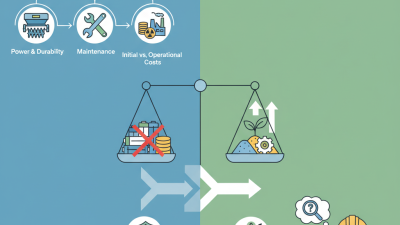
Choosing a scrap battery shredder starts with the material, not the advertised capacity. Battery formats, casing materials, and condition can vary widely. A machine suited to one feed may struggle with another. Ask how the shredder handles the battery types you actually receive, including changes in size and shape. Fit matters.

Check rated throughput against your real operating conditions. A high figure may assume a steady, uniform feed, which rarely matches every shift. Look at motor power, cutting design, wear-part replacement, and how easily operators can inspect the equipment. Dust collection and temperature monitoring also deserve close attention. These details support safer, more consistent processing, but they do not replace site-specific risk reviews or trained operators.

Tips: Request a material test using representative samples, and ask what conditions the test used. Confirm service access, spare-part availability, and noise levels before purchase. I would not choose on capacity alone; comparing machines is imperfect, but a clear test record can reveal gaps between a brochure and daily use.