Choosing the best Plastic Shredder Machine in 2026 starts with the material, not the catalogue. A rigid HDPE container, a thin film, and a thick-walled industrial part behave differently under the rotor. Feed shape, contamination, moisture, and target particle size all affect performance. Guessing can be expensive.
Dr. Michael Braungart, a chemist and circular-design expert, is associated with the phrase, “Waste is food.” For a recycling operation, that idea only works when the output is useful. A machine must produce a consistent size without excessive fines, jams, or heat damage. Ask suppliers for trials using your own material. Watch the feed opening, listen for strain, and inspect the discharge. Small details matter.
This guide compares shredder types, cutting systems, motor power, throughput claims, maintenance access, and safety features. It also explains how to assess service support and total cost, not just the purchase price. A larger motor is not automatically better. Nor is the highest advertised capacity. Those figures depend on material and operating conditions, which sales sheets may simplify. That deserves a closer look. The best choice should fit your real shift, your available floor space, and your downstream process. There may be no perfect machine. A careful test, clear operating data, and candid questions can still prevent a costly mismatch.
How to Choose the Best Plastic Shredder Machine in 2026?
Classify Polymer Type, Feed Form, and Contamination Before Sizing
Before comparing motor power or cutting chambers, identify the plastic you need to process. PET bottles, rigid HDPE containers, and flexible film behave differently under a rotor. The OECD’s Global Plastics Outlook reports that 353 million tonnes of plastic waste were generated worldwide in 2019, with only 9% ultimately recycled. That scale makes accurate sorting more than a paperwork exercise. A tidy sample can still mislead.
Record polymer type, then note the feed’s form and condition. Film can wrap around shafts; bulky hollow parts may bridge at the inlet. A metal fitting, label, or wet residue can change wear and throughput. Plastics Europe reported global plastics production of 400.3 million tonnes in 2022, but that broad figure does not tell you how a specific feed will shred. Small details matter. Test representative material, including its awkward pieces, before choosing rotor geometry, screen size, and drive capacity. Do not size a machine from one clean handful. The rule is useful, but not perfect: seasonal batches and supplier changes can alter contamination levels, so leave room to reassess.
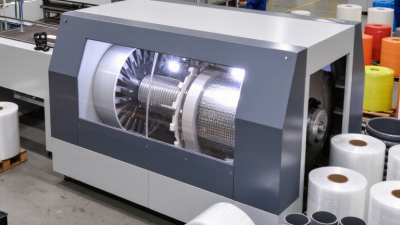
Compare Single-Shaft, Twin-Shaft, and Granulator Designs by Feedstock
Start with the material, not the machine’s advertised capacity. OECD’s Global Plastics Outlook (2022) estimates that 353 million tonnes of plastic waste were generated in 2019; only 9% was ultimately recycled. Plastics Europe’s Plastics—The Fast Facts 2023 reports 400.3 million tonnes of global plastics production in 2022. These figures show the scale of material flows, but they cannot tell you which cutter suits your feedstock.
A single-shaft shredder fits bulky, rigid pieces such as thick-wall rejects. Its ram pushes material against a rotor, while a screen helps control output size.
Twin-shaft machines use intermeshing cutters to pull in awkward, irregular pieces at low speed. They can suit mixed shapes, though long film may wrap around shafts.
A granulator works best on smaller, relatively clean scrap, such as runners or thin-wall parts. Its faster blades produce smaller flakes, but bulky chunks can overload it.
Check the largest piece, wall thickness, moisture, and target flake size before comparing throughput claims. Test real material. A clean sample can mislead. Ask for a trial using the actual mix, including labels or occasional metal contamination, if present. Then inspect particle size, heat buildup, noise, and jams over a sustained run. The best design is feedstock-dependent; one line may even need a shredder and granulator working together.
A plastic shredder’s screen aperture is one of the clearest ways to influence the size of its output. Common openings range from 10 to 50 mm. A 10 mm screen can produce smaller flakes for washing or further processing, but it may reduce throughput. Openings around 20–30 mm often suit general size reduction. A 40–50 mm screen allows larger pieces through and can help maintain a faster flow.
The opening size is not a promise that every fragment will match it exactly. Thin flakes can pass through at an angle, while flexible plastic may bend or cling to the screen. In practical trials, material thickness, shape, and feed consistency can matter as much as the aperture. Watch for heat, blocked holes, and uneven discharge. Small details matter.
Choose the screen against the next production step, not just a target number. If flakes must fit a conveyor or washing line, check that equipment’s limits before selecting an aperture. Test a representative batch where possible, then inspect the output and record the rate. A finer screen may sound better, but it can create bottlenecks. There is no perfect setting for every feedstock, and the first choice may need adjustment.
Screen apertures set the approximate size threshold for material to pass through. Common options range from 10 to 50 mm.
Choose a smaller aperture when finer output is needed, or a larger aperture for coarser output and potentially faster throughput. Actual particle size and shape also depend on the plastic, shredder configuration, and operating conditions; the aperture is not a guarantee of final particle dimensions.
A quoted throughput in kg/h is only useful when the test material matches your own plastic stream. Ask what type, thickness, moisture level, and feed size were used. A machine may process clean, uniform pieces quickly but slow down with bulky or mixed shapes. Record the screen size and operating settings, too. Numbers need context.
Calculate energy use by dividing the electricity consumed in kWh by the tonnes processed during the same test. Measure the full operating period, including pauses and routine adjustments, rather than relying on motor power alone. Run a representative batch and weigh the output. Keep the feed rate steady where practical. That matters. A clean, short trial can make performance look better than a full shift will. Compare several runs, then check whether kg/h and kWh per tonne stay reasonably consistent. Treat the result as an estimate, not a promise; real feed changes, and that can shift the numbers.
A shredder’s purchase price can hide substantial blade, screen, and downtime costs. PlasticsEurope’s Plastics—the Fast Facts 2024 reports 413.8 million tonnes of global plastics production in 2023, while the OECD’s Global Plastics Outlook reports that only 9% of plastic waste was recycled in 2019. These figures show the scale of processing, but they do not predict your machine’s wear rate. Ask for replacement-part prices, expected service life, sharpening limits, and labor hours for your specific feedstock. Film, grit, and metal contamination can change those estimates sharply. Small details matter.
Tips: Request a written annual wear-parts estimate based on your material and operating hours. Compare cost per processed tonne, not just blade price. Ask what happens when a screen blocks during a shift.
For electrical safety, check documentation against IEC 60204-1:2016+A1:2021, which covers electrical equipment of machinery from its supply connection onward. Request wiring diagrams and evidence that protective bonding, overcurrent protection, and emergency-stop functions were assessed on the actual machine configuration. The standard is not a substitute for checking local requirements or installation conditions. Confirm the edition used and who performed the assessment. A neat certificate alone tells you little. One estimate may still be wrong; validate it with a trial using representative material.
| Machine configuration | Typical application | Output characteristics | Main wear parts | Wear-part costs to compare | IEC 60204-1 evidence to request |
|---|---|---|---|---|---|
| Single-shaft shredder | Controlled size reduction of plastic lumps, purgings, and other feed that can be pushed against a rotor by a ram. | Relatively consistent output when fitted with a screen; particle size depends on screen openings, cutter geometry, and material. | Rotor knives, counter knives, screen, and ram wear surfaces. | Request prices for a complete knife set, individual knives, sharpening or reconditioning, screen replacement, and installation labor. | Electrical schematics, protective-bonding details, overcurrent-protection information, stop-circuit design, and documented verification of the electrical equipment. |
| Low-speed, two-shaft shredder | Coarse shredding of bulky or irregular plastic items where a robust first-stage size reduction is needed. | Typically coarse and less uniform than screened output; the result depends on cutter spacing, hook geometry, and feed material. | Cutter discs, spacers, shaft seals, and drive components subject to wear. | Compare the cost of a complete cutter stack, individual cutters and spacers, seal kits, cutter rotation or reconditioning, and the labor needed for replacement. | Confirm how emergency-stop devices, guards, interlocks, and restart prevention are implemented and documented for the supplied machine. |
| Granulator / cutting mill | Secondary size reduction of suitable, consistently fed plastic scrap, often after a primary shredder. | Screen-controlled granulate; the selected screen and material properties affect particle size, throughput, and fines. | Rotor knives, bed knives, screen, and wear-prone feed or discharge components. | Ask for the price per knife set, sharpening and balancing charges, screen costs, and recommended inspection or replacement criteria. | Check for clear electrical documentation, suitable circuit protection, protective bonding, and verified safety-related stop functions. |
| Wear-cost calculation | Use the same plastic type, contamination level, throughput, and operating hours when comparing quotations. | Include all parts replaced or reconditioned during the measurement period. | Wear cost per tonne = (replacement parts + reconditioning + replacement labor) ÷ tonnes processed between those interventions. Ask suppliers to state their assumptions; actual wear varies with feed and operating conditions. | Request written records and the applicable conformity documentation; a standards reference alone does not demonstrate that every safety requirement has been met. | |
| Machinery electrical-safety check | For IEC 60204-1, ask whether the electrical equipment is designed and verified against the applicable edition (commonly IEC 60204-1:2016 with Amendment 1:2021). Review the machine’s electrical diagrams, protective-bonding and circuit-protection information, stop and emergency-stop arrangements, and verification records. Confirm that guards and other risk-reduction measures are addressed separately as part of the machine’s overall safety assessment. | ||||