How to Choose a Plastic Crusher Machine?
Choosing the right Plastic Crusher Machine begins with the waste, not the product brochure. A plant handling brittle runners has different needs from one processing thick, hollow containers. Feed size, polymer type, contamination, target flake size, and daily operating hours all affect the choice. The numbers are sobering. The OECD’s Global Plastics Outlook reports that the world generated 353 million tonnes of plastic waste in 2019. Only 9% was ultimately recycled, while substantial shares were landfilled or mismanaged. These figures describe a global system, not the performance of any single factory. Still, they show why reliable size reduction and material recovery matter.
Before comparing motor power or advertised capacity, measure the actual feed and required output. A machine that accepts large pieces may still produce flakes too coarse for the next process. Ask suppliers for throughput data using material similar to yours, and check whether blades, screens, and discharge systems suit your production line. Small details count: a damp film, an uneven feed, or a worn blade can change performance. Fit matters. Energy use, access for cleaning, noise control, guarding, and spare-part availability deserve equal attention. A specification sheet cannot predict every shift. Even careful estimates need testing against real material. This guide explains how to compare these factors and choose a crusher that fits your operation, rather than simply choosing the largest machine.
Identify the Plastic Waste and Processing Requirements
How to Choose a Plastic Crusher Machine?
Identify the Plastic Waste and Processing Requirements
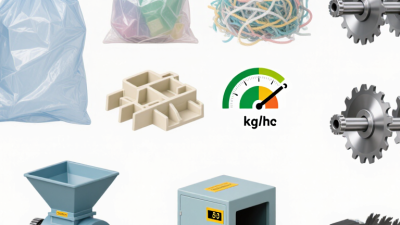
Start by identifying the plastic you need to process. Rigid bottles, thick pipe offcuts, thin film, and injection-molding sprues behave differently in a crusher. Note the material type, typical piece size, and whether parts contain labels, metal inserts, or other contaminants. Small details matter. A wet film can wrap around a rotor, while bulky chunks may need pre-cutting.
Then estimate the amount of waste produced during a normal shift, not just the occasional peak. Record the approximate weight per hour and how consistently material arrives. Decide what the crushed plastic will be used for next. A recycling line may need a more uniform flake size than a simple volume-reduction step. Screen openings influence the output, but material shape and feed rate also affect the result.
Check practical conditions before comparing machines: available floor space, electrical supply, noise limits, and dust control. Ask whether the crusher can handle your actual material and requested output size. A small sample run can reveal jams, excess fines, or uneven flakes that a specification sheet may not show. I would still leave room for uncertainty; feedstock often changes from one production run to another. Choose capacity with that variation in mind, and confirm cleaning and blade-access procedures with the supplier.
Choose a Crusher Type for the Material and Desired Output
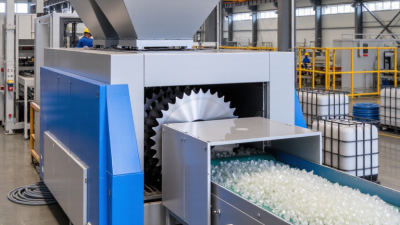
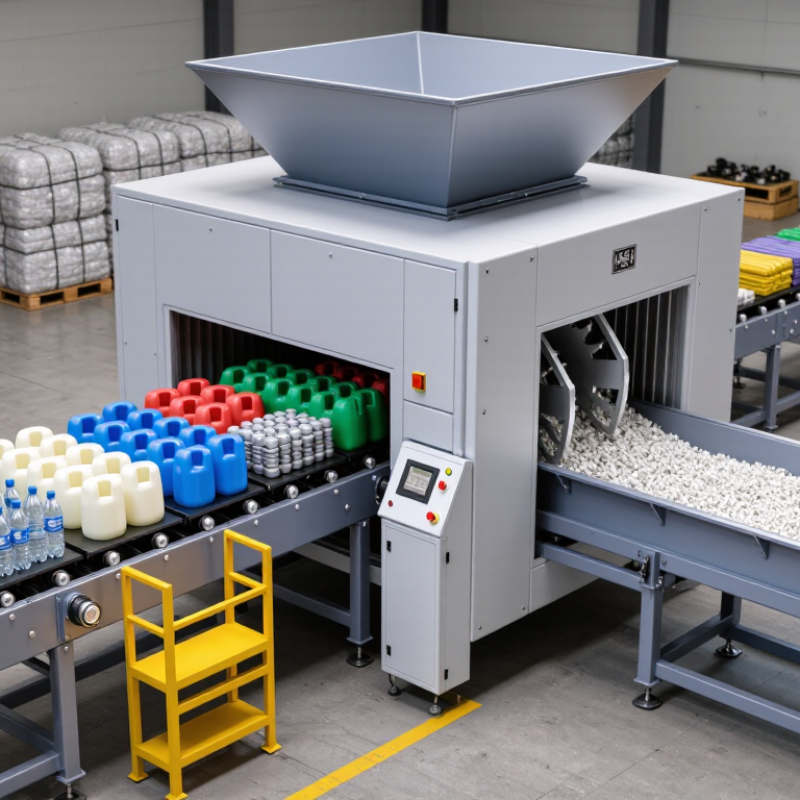
Start with the plastic’s form and condition, not the machine’s advertised capacity. Clean, rigid HDPE crates or molding runners usually suit a knife granulator with a steady feed. Thick purgings and bulky parts may need a heavier, lower-speed rotor that can handle uneven loads. Thin film behaves differently. It can wrap around the rotor, so look for controlled feeding and anti-wrap features designed for film.
Then define the output by the next process. Washing lines may need flakes within a practical size range, while melt filtration can require a more uniform feed. Screen openings affect flake size, but smaller holes reduce throughput and may increase heat, fines, and power use. Ask for a trial with your actual plastic, including labels and moisture. Clean sample pieces can give an overly optimistic result.
Check rotor width, motor load, screen access, and blade adjustment against daily volume. A brochure’s capacity figure is only a starting point; real feedstock often behaves less neatly. If thickness or shape varies, leave capacity margin rather than sizing only for peak output. During a test, listen for irregular knocking and inspect flakes for long strips or excess powder. A machine that reaches the target size only at a slow feed may not suit the production line.
Match Machine Capacity, Feed Size, and Installation Space
Choosing a plastic crusher machine starts with your real production rate, not the largest capacity on a sales sheet.
Estimate the material you process per hour, then allow for changes in feed shape and operating pauses. A machine rated for 300 kilograms per hour may handle less when bulky parts feed unevenly. Check the expected output with your actual material whenever possible.
Feed size matters just as much.
Measure the largest pieces, including awkward items that do not stack neatly. Compare these dimensions with the hopper opening and cutting chamber. Thin film, thick runners, and rigid containers can behave very differently. Do not assume one test sample represents every shift.
Installation space can also be underestimated.
Measure the floor area, ceiling height, and access route, then leave room for conveyors, collection bins, screen changes, and routine cleaning. Allow room to breathe. A tight layout may fit on paper but slow maintenance later.
Tips:
Sketch the machine footprint and service clearances on the floor before ordering. Confirm power connections and material flow with the installation team. Recheck your measurements after reviewing the site; the first estimate is often imperfect.
Compare Energy Use, Build Quality, and Supplier Support
How to Choose a Plastic Crusher Machine?
Compare Energy Use, Build Quality, and Supplier Support
Choose a crusher based on the material and daily workload, not just its motor rating. Ask for energy-use figures at a realistic throughput, using material similar to yours. A no-load test tells you little. Check whether the machine handles your usual feed size without frequent jams or excessive heat. Record the expected output and power use during a sample run.
Tips: Request a material test. Compare the same conditions. Check blade access, rotor construction, screen replacement, and bearing protection. Ask how often routine maintenance is expected. A sturdy frame matters, but easy access can save hours later.
Supplier support is part of the machine’s real cost. Confirm installation guidance, operator training, spare-part availability, and typical response times in writing. Ask for references from operations with similar materials and volumes. Review warranty limits carefully; broad promises can still leave important gaps. A detailed quote is useful, though it cannot prove long-term reliability. I would also ask what happens if a key part is unavailable. That answer may reveal more than a polished brochure.